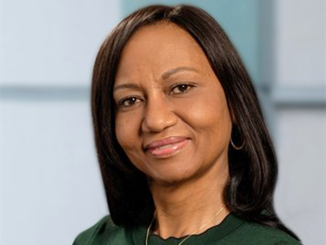

By Denise Joseph
A neurodivergent student is an individual whose brain processes information, thinks, learns, or behaves differently from what is considered typical. This includes conditions such as autism, ADHD, learning disorders, dyspraxia, and other neurological differences. Rather than implying deficits, neurodivergence represents a natural variation in human brains, often encompassing unique strengths as well as challenges.
As an empath and highly sensitive person, I didn’t realize until last year that I am neurodivergent. I experience sensory overload: some environments are overstimulating, and sometimes I have to block out everything just to focus on a single sound. Other times, the sheer volume of input prevents me from hearing anything at all. These experiences have helped me understand the needs of students who process the world differently.
In high school and college, I developed strategies to thrive:
● Taking detailed notes, reviewing them, and recording them to listen back for studying
● Practicing good time management and staying organized
● Studying in environments with minimal distractions
These approaches are rooted in awareness of my own neurodivergence—became tools I later shared with students I mentored and tutored.
Common Forms of Neurodivergence
Neurodivergent students may have conditions such as:
● Autism Spectrum Disorder (ASD): Affects social communication and behavior patterns
● Attention Deficit Hyperactivity Disorder (ADHD): Involves inattention, hyperactivity, or impulsivity
● Specific Learning Disorders (SLD): Includes dyslexia, dysgraphia, and dyscalculia
● Dyspraxia (Developmental Coordination Disorder): Affects motor skills and coordination
Other conditions like Tourette’s, cluttering, or sensory processing differences also fall under neurodivergence.
Educational Implications
Neurodivergent students often require different forms of support to thrive academically and socially. Strategies that work include:
● Tailored teaching strategies and classroom accommodations
● Access to support services: Disability advisors, counseling, or wellbeing support
● Workshops on academic skills: Organization, time management, and study techniques
● Breaking tasks into smaller steps
● Offering choices and flexibility
● Validating challenges and working collaboratively rather than coercively
Creating supportive, inclusive, and neuroaffirming educational environments allows students to succeed without masking their natural traits. Executive functioning skills, which include planning, focusing, remembering, and monitoring progress toward goals are particularly important and will be the focus of my next column.
Girls and Neurodivergence
Girls who are neurodivergent are often overlooked because their challenges can be hidden behind compliance, politeness, or perfectionism. The Girls and Neurodivergence Guide provides educators and families with professional strategies to understand and support neurodivergent girls academically, socially, and emotionally. Recognizing these unique patterns is crucial for providing effective support.
Creating a Neuroaffirming Classroom
Neurodivergent students benefit most from classrooms that:
● Differentiate instruction: offer materials on paper, digitally, and visually on the board
● Allow enough time for instructions, questions, and responses
● Establish predictable routines
● Collaborate with students to design solutions and pathways for success
By understanding each student’s unique traits, educators can create inclusive spaces where every learner has the opportunity to thrive.
Conclusion
Neurodivergence is a natural variation of human brains, encompassing both strengths and challenges. By learning to recognize and support these differences, we can empower students to succeed academically, socially, and emotionally. Let’s do what we can to help every student reach their full potential.
#NeurodivergentStudents #InclusiveEducation #NeurodiversityInSchools #EducationLeadership #AutismAwareness #ADHDAwareness #LearningDifferences #ExecutiveFunctioning #EquityInEducation
References:
Neurodivergence in schools: What is it and how can you recognise it?
Understanding and supporting neurodivergent students
Supporting Neurodivergent Students in the Classroom | Sheridan Center for Teaching and Learning | Brown University
https://www.facebook.com/share/p/18AiU7kiBP
https://www.facebook.com/share/v/1FRHWGmuKc
Gillespie-Lynch, K., Bublitz, D., Donachie, A., Wong, V., Brooks, P. J., & D’Onofrio, J. (2017). “For a Long Time Our Voices have been Hushed”: Using Student Perspectives to Develop Supports for Neurodiverse College Students. Frontiers in Psychology, 8. https://doi.org/10.3389/fpsyg.2017.00544
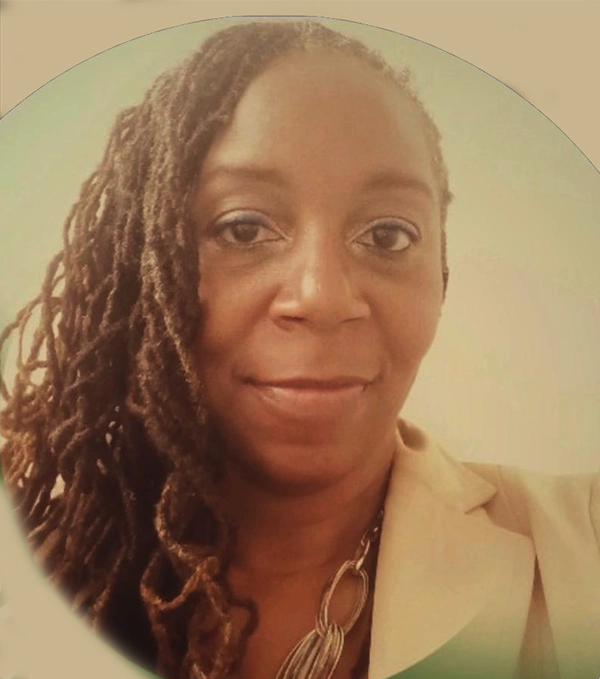
Dr. Denise M. Joseph is an education leader, writer, and advocate whose work spans school–community partnerships, youth development, and systems change, with a deep commitment to supporting foster and historically marginalized youth. She loves using storytelling and practical insight to help people understand complex systems, claim their power, and become their best selves, on and off the page. At home, she is navigating life with her husband, an exchange student, a puppy who is determined to run the household, and a cat who already does.
I help you understand school, power, and possibility so you can better advocate for your child, your community, and yourself. Because education doesn’t stop at the bell or during breaks.
About The Author