
By Julianne Malveaux
(TriceEdneyWire.com) –
America has rituals for the dead. We lower flags. We dim lights. We ask for moments of silence. In rare cases — former presidents, Rosa Parks — we place bodies beneath the Capitol dome and call it honor. So when congressional leaders declined to extend that honor to Rev. Jesse Louis Jackson, they cited precedent.
Precedent is tidy. Procedural. It is also how exclusion dresses itself in neutrality.
But here is the truth: the Capitol Rotunda is too small for Rev. Jesse Jackson. Not physically. Symbolically.
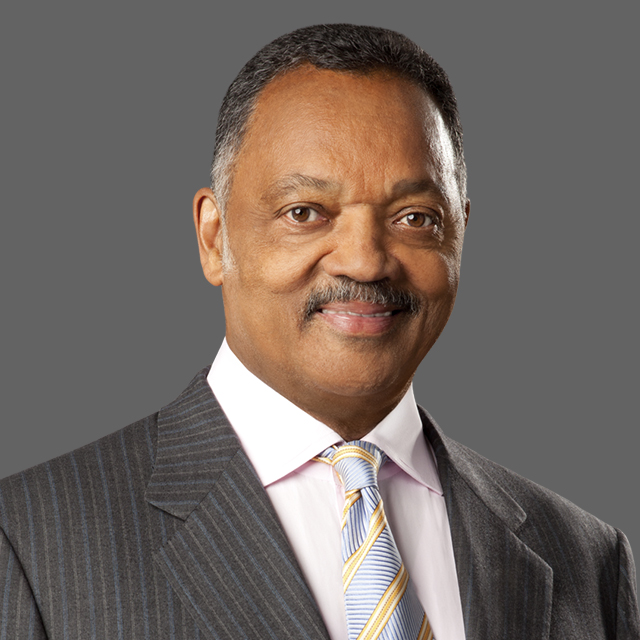
The Capitol dome was built with enslaved labor. The wealth that shaped Washington was extracted from Black bodies. The building that houses American democracy rests on people once denied it. Rev. Jackson spent a lifetime forcing this nation to confront that contradiction. And he did not simply protest injustice. He altered the political terrain.
Through the Rainbow/PUSH Coalition, he pressured corporations to diversify hiring and boardrooms long before “diversity” became a culture-war slur.
Through Operation PUSH, he translated moral authority into economic leverage. His presidential campaigns in 1984 and 1988 did not merely seek votes; they expanded the electorate and reshaped the Democratic Party’s coalition, language, and imagination.
He helped register millions of voters. He stood with sanitation workers, autoworkers, underpaid hotel workers, and farmworkers. He negotiated hostages’ release when official diplomacy stalled. He could pivot from children who needed eyeglasses to geopolitics in a single breath because he understood both were about power — who has it, who hoards it, and who must demand it.
I knew him. I worked with him through PUSH/EXCEL, the education arm of Rainbow/PUSH.
I watched him move from boardroom to church basement to international stage without ever shifting his moral center. It was all connected. It was all justice.
The rotunda honors office. Rev. Jackson held movement.
The rules governing who lies in state or in honor privilege elected officials and generals. That is not neutral. It reflects a nation that confers legitimacy through title and rank. But American democracy has been most profoundly changed by people who held neither — people who organized, agitated, preached, marched, and demanded.
I am not sure I want my leader under that dome.
The Capitol is majestic. It is also a monument to compromise with slavery, to exclusion, to legislative delay in the face of moral urgency. It represents power consolidated and negotiated. Rev. Jackson represented power mobilized.
He did not ask permission from marble. He pressured it. He did not seek validation from chambers that too often stalled justice. He stood outside them and forced them to respond.
Perhaps lying in the rotunda would symbolize acceptance. But Rev. Jackson’s life was never about acceptance. It was about disruption — holy, strategic, relentless disruption. He was not carved from stone; he was forged in struggle.
The deeper question is not why he is not in the rotunda. It is whether the rotunda has ever been worthy of him.
Flags lower at the discretion of those in authority. Movements rise without their consent.
The rotunda is a room. Rev. Jesse Jackson was a movement.
History will not measure him by who allowed him into the room.
It will measure the room by him.
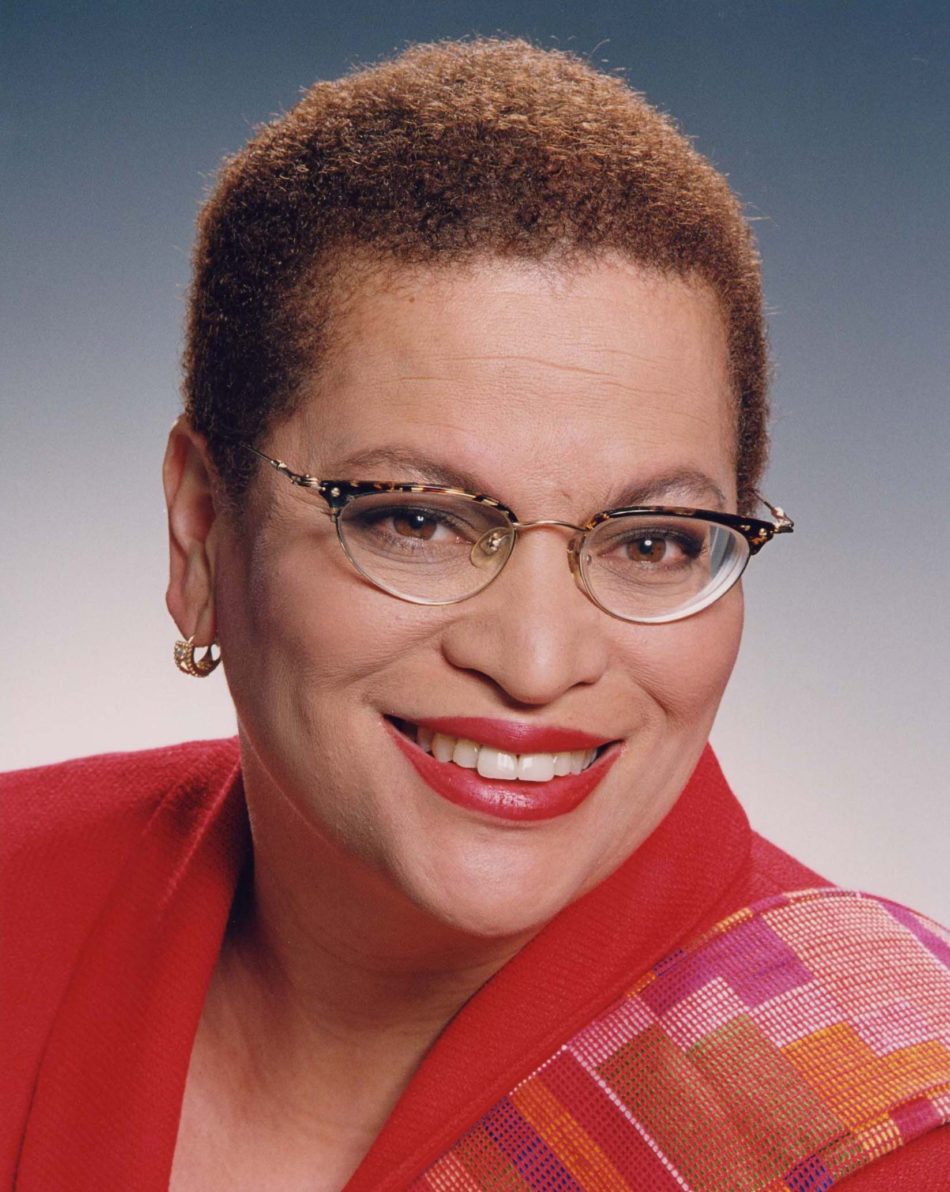
Dr. Julianne Malveaux is a DC based economist and author.
Juliannemalveaux.com,
Malveauxnewsletter@gmail.com
About The Author