

By Staff
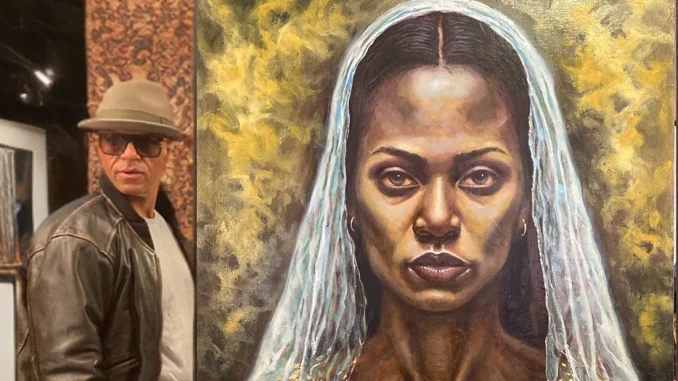
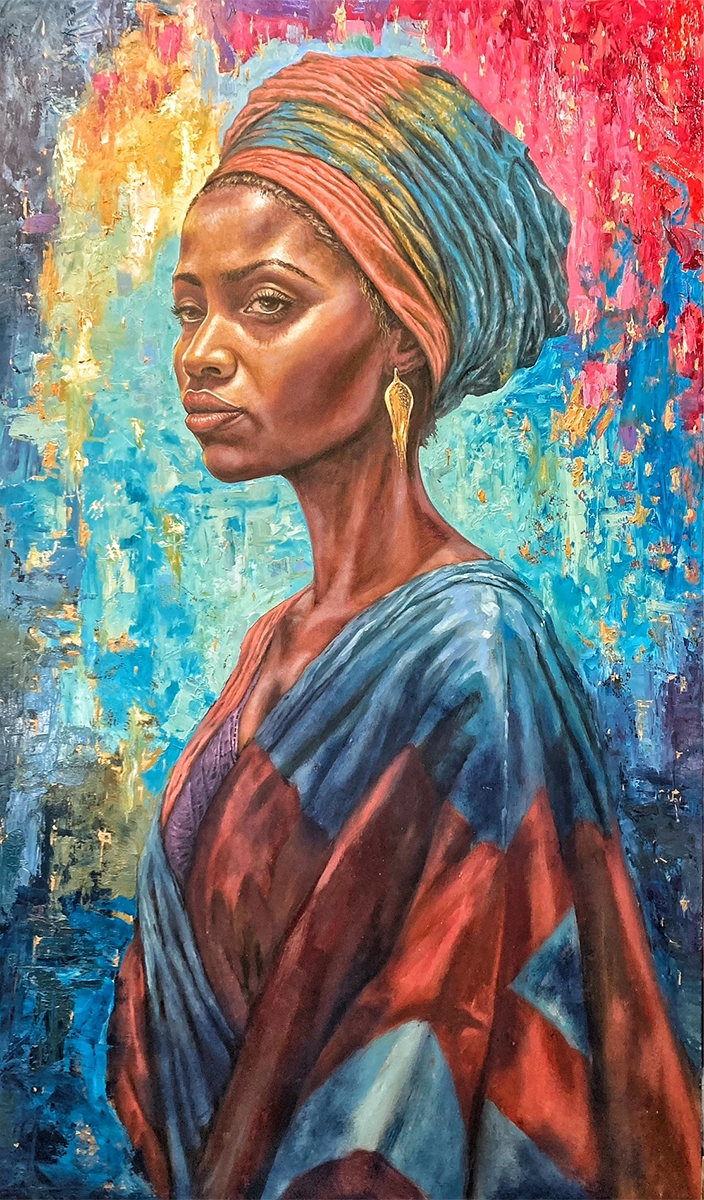
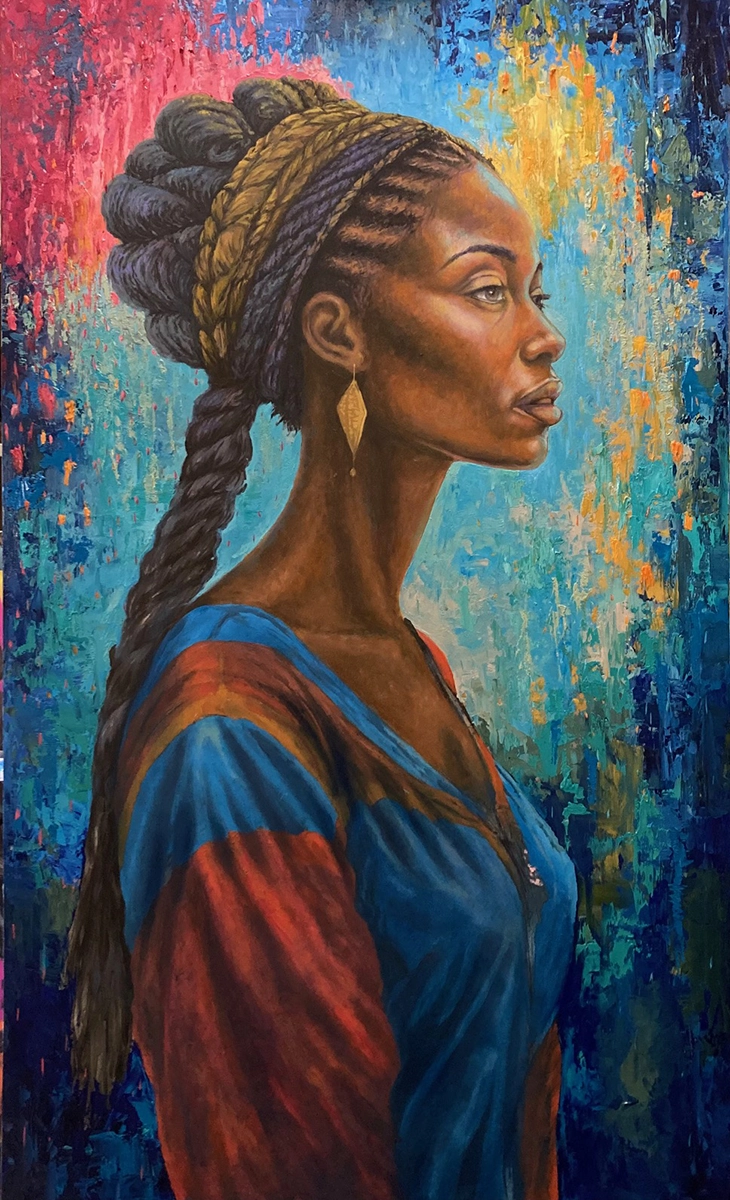
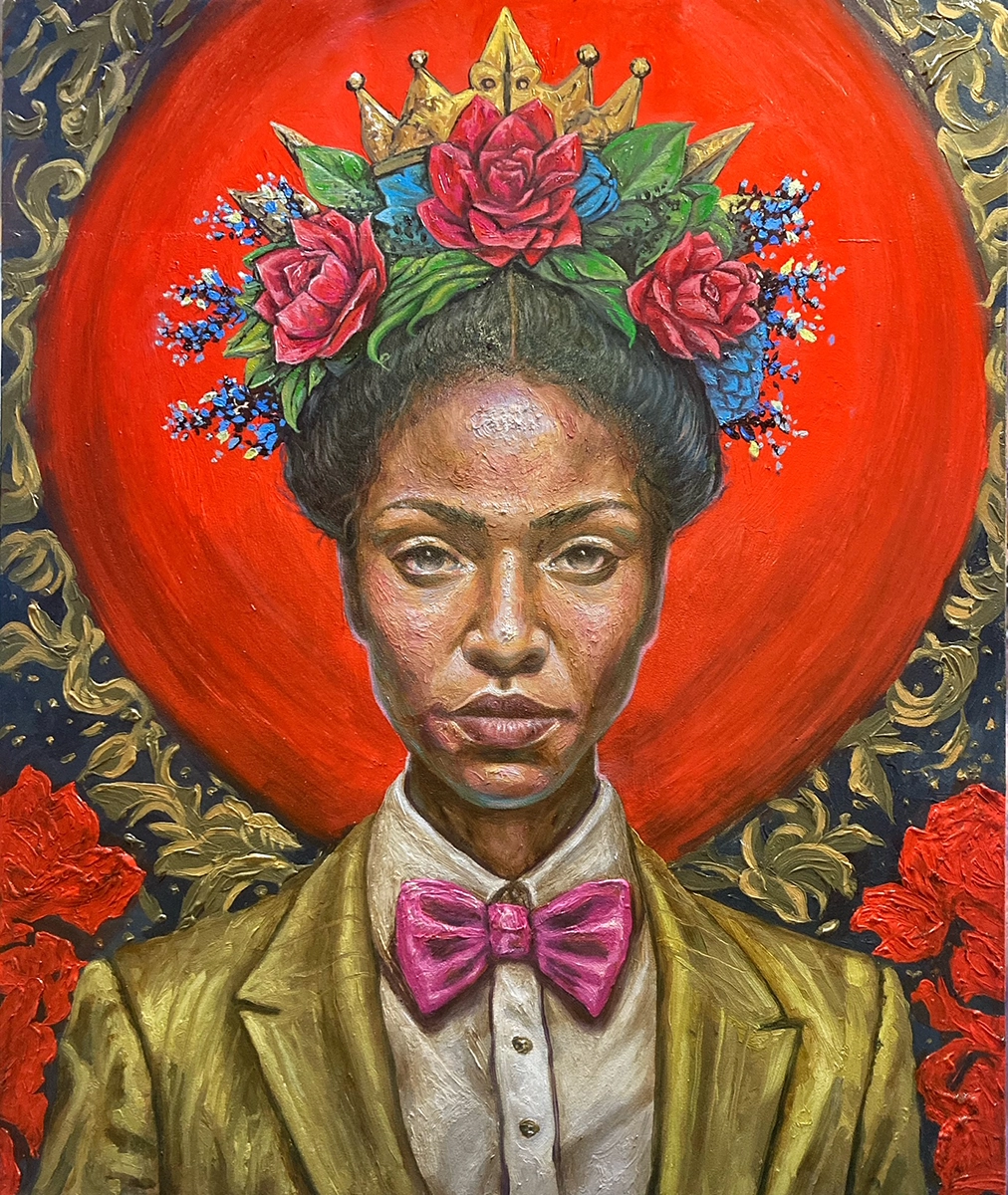
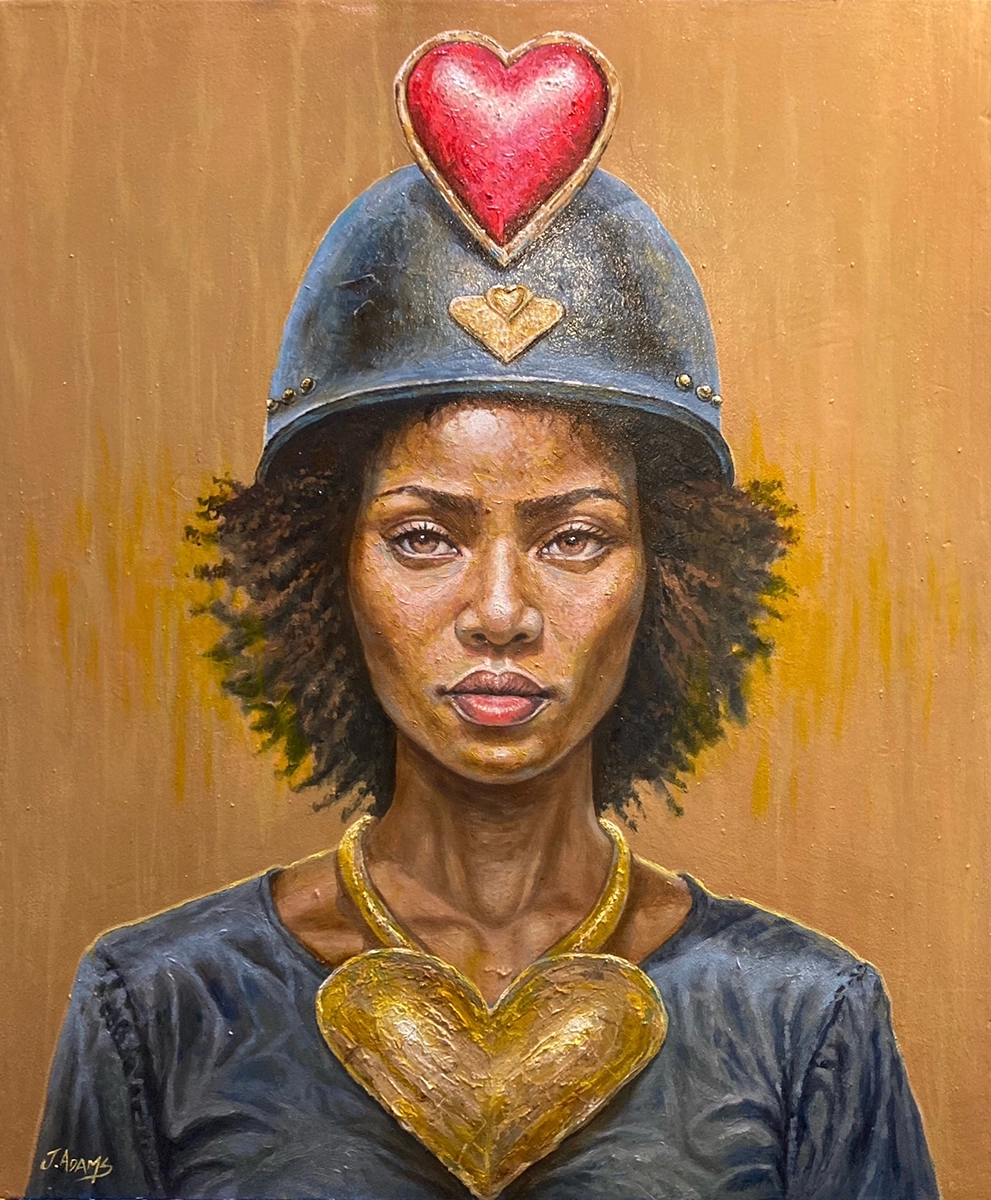
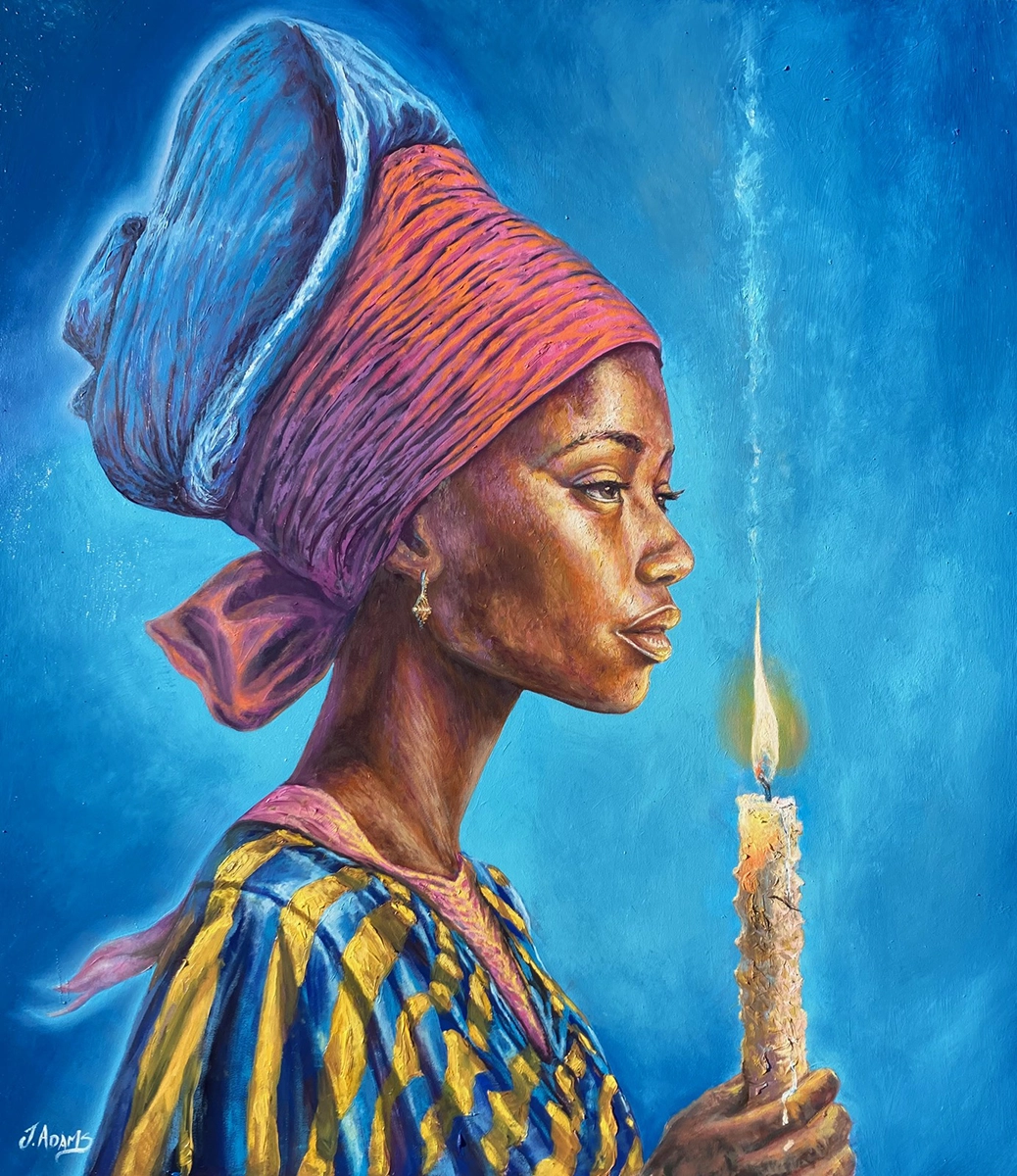
South African artist John Adams stands at the intersection of memory, identity, and cultural reclamation. Born in 1975 and raised in the heart of apartheid, Adams creates work shaped by lineage, lived experience, and the resilience of the African spirit. His paintings—rich with texture, narrative, and psychological depth—invite viewers into an intimate dialogue about humanity, history, and the complexity of being “African mixed race” in a country rebuilt from pain and persistence. As his work expands onto international stages, including the Pigmented International Art Fair in Chicago, Adams continues to offer a deeply personal yet universally resonant visual language—one that bears witness, honors heritage, and reminds the world of the unbreakable force of the human soul.
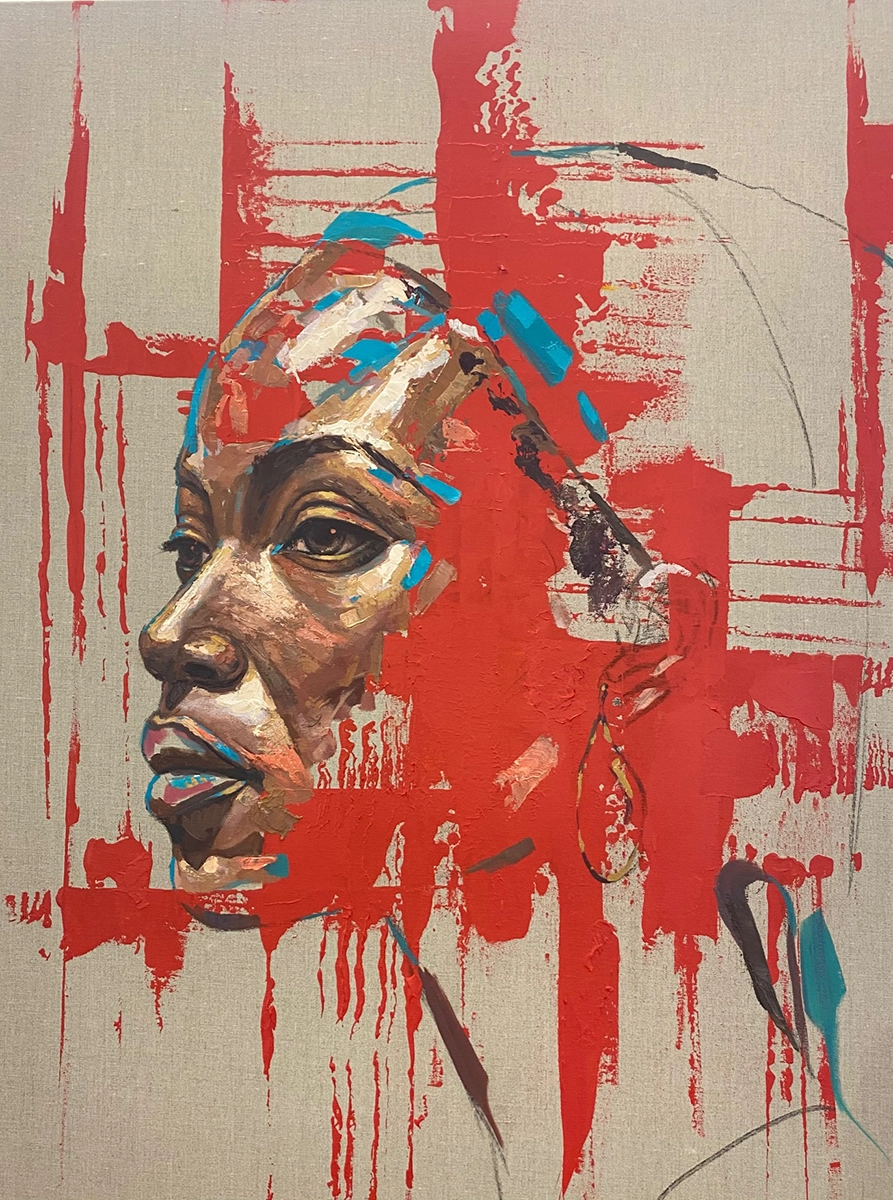
What does it mean for you, as a South African artist, to present your work on an international stage like the Pigmented International Art Fair in Chicago, and how does that global platform expand or challenge your artistic voice?
Firstly, thank you for the opportunity to share my journey. Being invited to a global platform alongside such talented and established artists is a profound blessing. It gives me the pivotal opportunity to speak openly about the African story through my work. Exhibiting internationally allows people to look directly into my soul through the art—into the honesty, tension, and triumph that have shaped my identity. It also challenges me to embrace a deeper, more expansive understanding of my own narratives and stylistic choices so that I can communicate our truths with greater accuracy, dignity, and artistic integrity.
How does your cultural heritage influence the textures, themes, and narratives within your work, and what do you hope international audiences understand about the South African experience through your art?
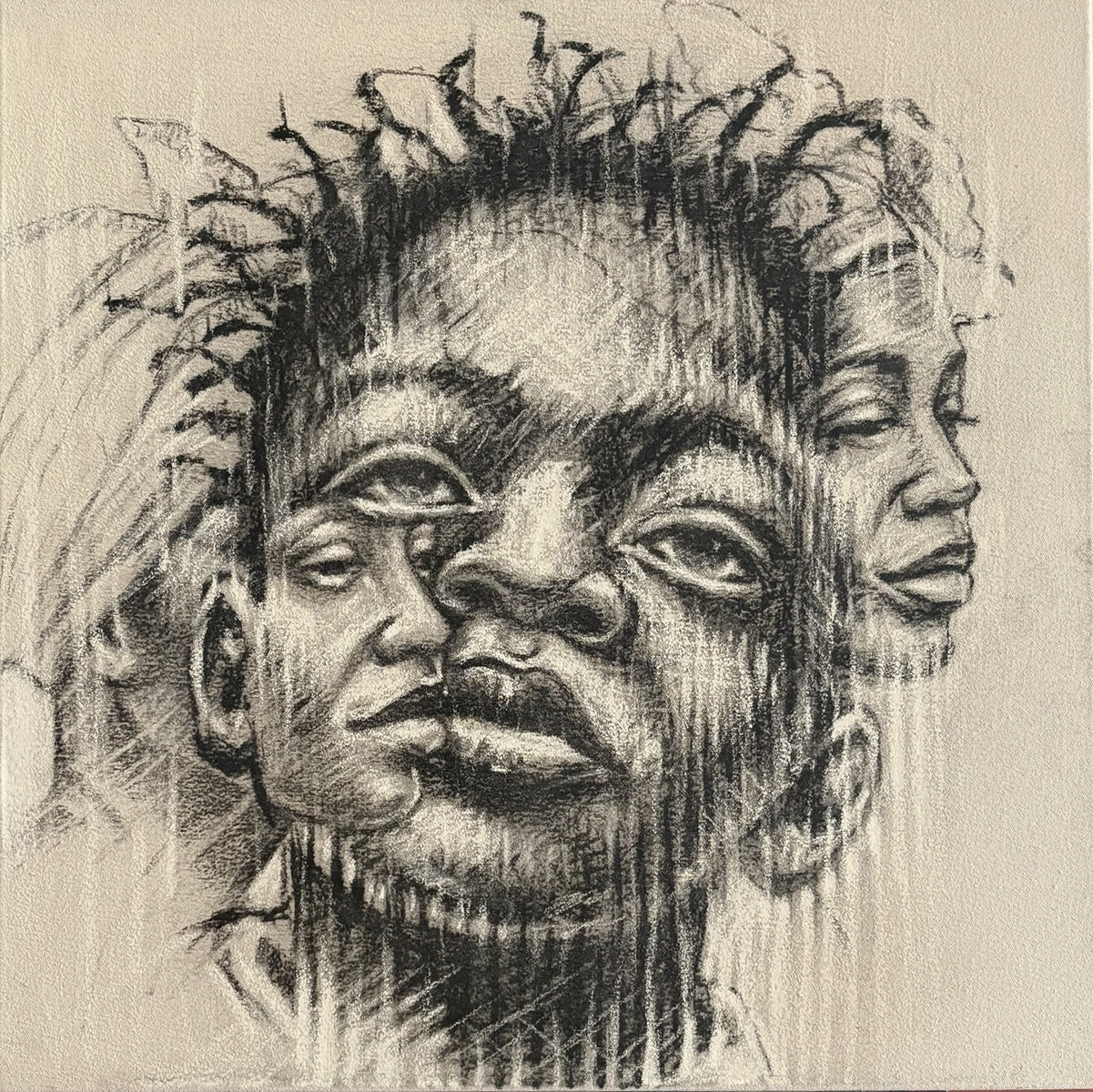
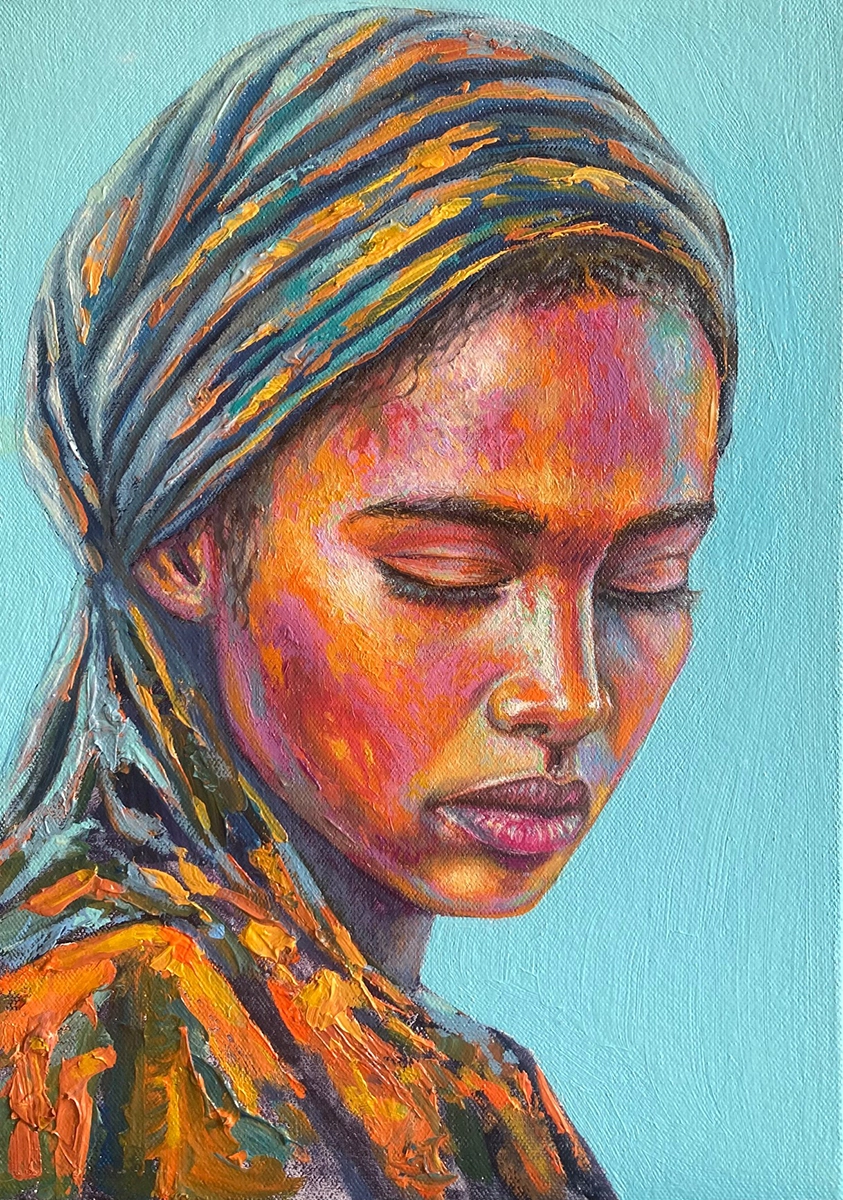
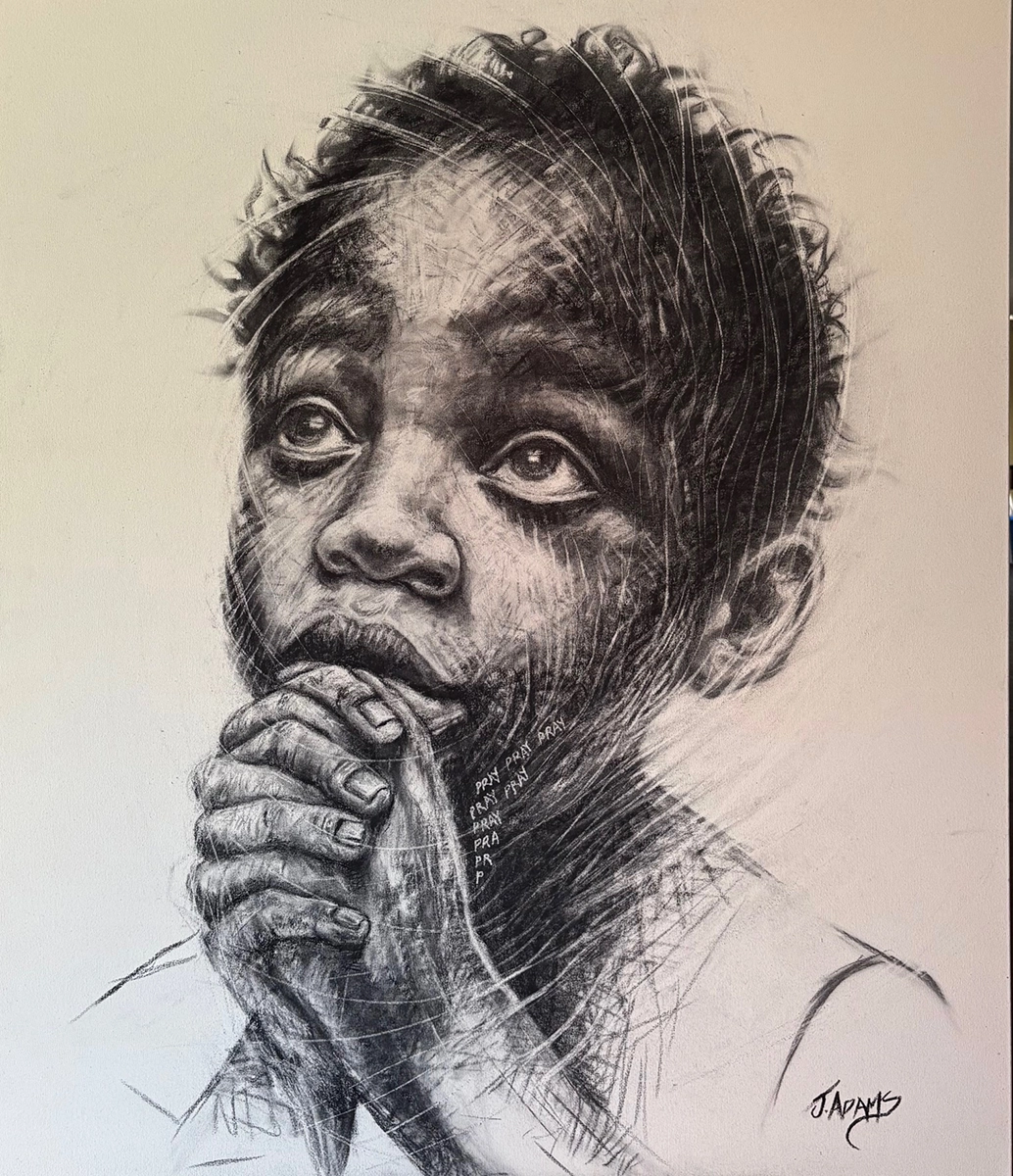
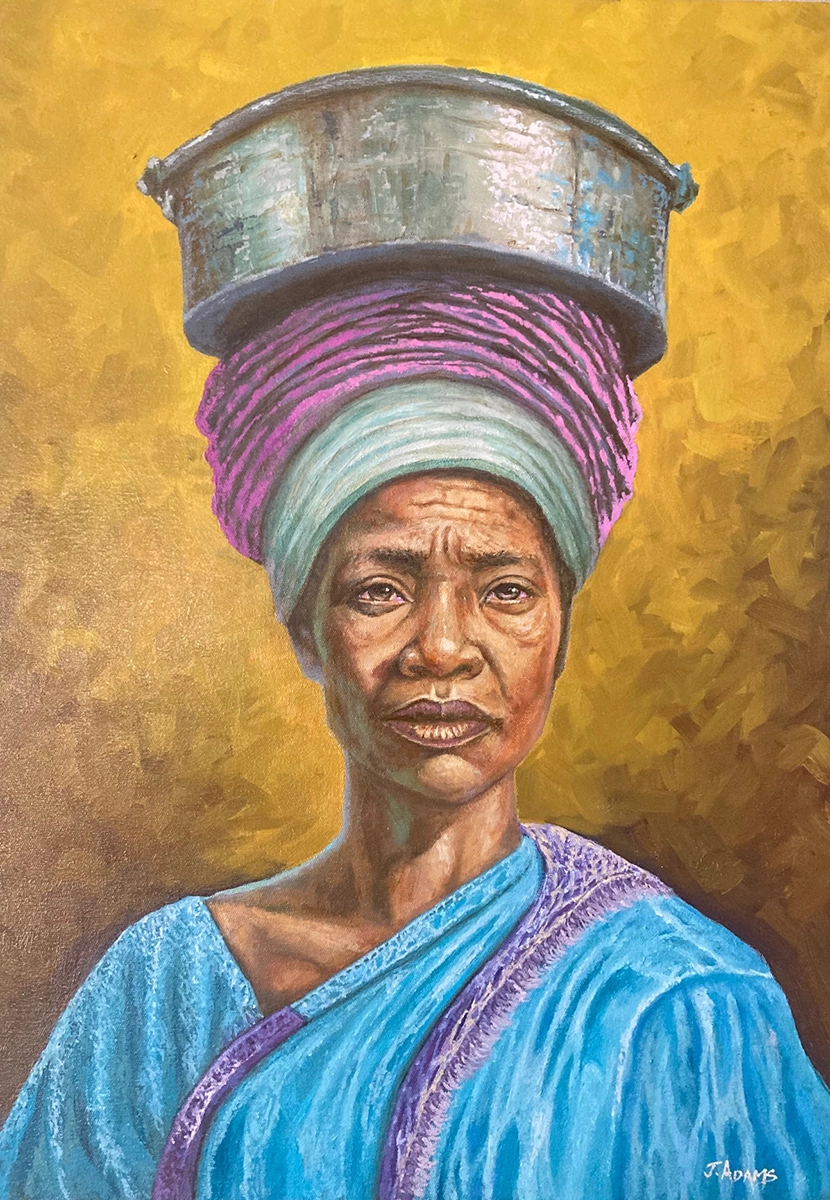
Whereas in America the term “coloured” is derogatory, in South Africa it was forced on us by past regimes as a matter of classification. I choose to identify as African mixed race—a blend of African blood and several other ancestral streams that shape my lens and creative voice. My work reflects the reality that the African story carries common threads, regardless of lineage. We endured hardship, loss, fear, and the brutal imprint of apartheid. Yet we survived. When I paint, I wrestle with those memories and allow the effervescence of the African spirit—resilient, robust, unyielding—to illuminate my subjects. I hope international audiences gain a deeper understanding of the tenacity and beauty of South Africa’s people, and the profound humanity that rises from struggle.
When you reflect on your creative evolution, what moments or environments shaped your artistic identity and gave you the confidence to share your story visually?
Some of the most defining moments were those when I felt ostracized and marginalized—first as an African child, and later as an African artist. People often questioned my path: “When will you get a real job?” or “Why not choose a career that makes money and allows travel?” These comments cut deeply, and had I been white, such criticism may have been far less common. Yet that resistance ignited a fire in me. Winning R15 in a newspaper art competition at age twelve was monumental—proof that someone out there saw my value. My parents always stood beside me, encouraging me with everything they had. My father, who was artistic himself, was an early role model. And I will never forget Mr. Peterson, a flamboyant primary school teacher who took me under his wing and nurtured my gift. Those experiences gave me the courage to stand firm in my identity and express my story unapologetically.
What emotions or conversations do you hope your work stirs in viewers who may be encountering South African artistry for the first time?
I hope my work inspires unity through diversity. The message is not new, but it is deeply personal. The appreciation of the human spirit becomes most visible when narrated or illustrated, yet too often it goes unnoticed or unacknowledged. My hope is that viewers see how interwoven we are—how our stories, despite distance or difference, echo one another. I want them to walk away with a renewed commitment to love, respect, and uplift one another.
How do you balance the deeply personal elements of your work with the broader social, historical, or political contexts that are often embedded in African and diasporic art?
My art is a direct product of my lived experiences, and those experiences will forever be intertwined with socio-economic realities, historical trauma, and political shifts. These elements form a continuous thread running through my identity. Yet I find querencia—a place of safety, grounding, and power—within that intersection. The context informs me, but it does not confine me. Instead, it enriches the narrative and allows me to speak both personally and collectively.
What role does storytelling play in your creative process, and how do you translate lived experiences—your own or those of your community—into visual form?
Storytelling is at the heart of everything I create. My greatest challenge is distilling complex histories into a single visual moment without diluting the message. That’s why I spend time writing, researching, and sketching before I ever touch the canvas. Accuracy matters—especially when honoring the depth of a story that communities have carried for generations. There are times when memories overwhelm me, and I find myself wanting to cry over my canvas. Those emotions ground me and remind me of the responsibility I carry: to do justice to our stories so they remain alive and accessible for future generations.
How has participating in the Pigmented International Art Fair influenced your perspective on collaboration, cultural exchange, and the collective power of artists across the African diaspora?
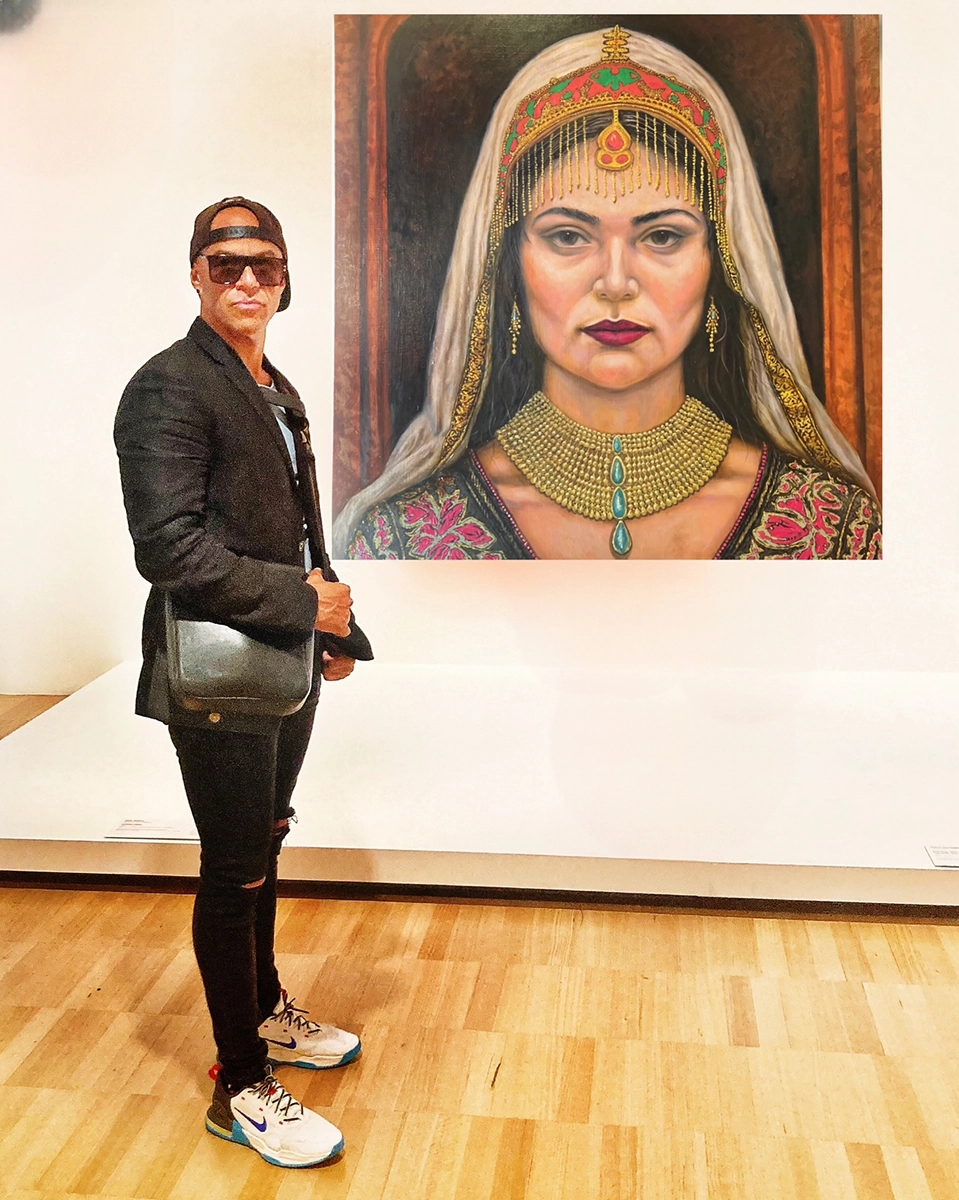
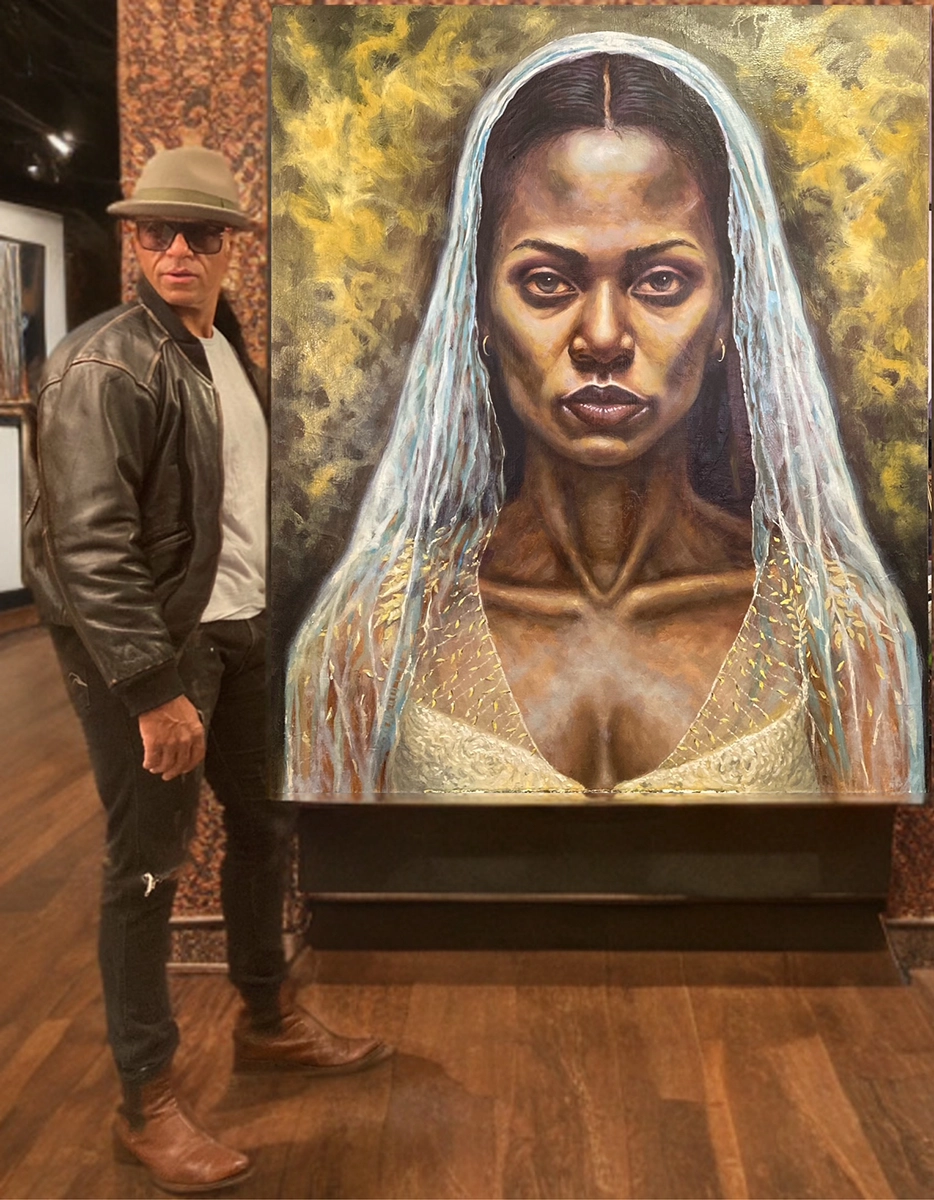
Participating in the fair has strengthened my belief in the power of collaboration. There is an African proverb that says, “If you want to go fast, go alone. If you want to go far, go together.” This experience embodied that truth. The connections, conversations, and cultural exchanges broadened my artistic worldview and reminded me that artists across the diaspora are stronger when we move in unity.
What artistic legacy do you hope to build, both in South Africa and abroad, as you continue expanding your reach and deepening your creative practice?
I hope to leave behind a legacy that affirms the unbreakable nature of the human spirit. Through my art, I want to plant seeds that will grow into forests of hope, courage, and passion—both in South Africa and across the world. If my work can inspire even one person to see themselves or their community with greater pride, dignity, and possibility, then my legacy will have taken root.
Social Media
Instagram: @johnjadams
Website:
About The Author