
By Staff
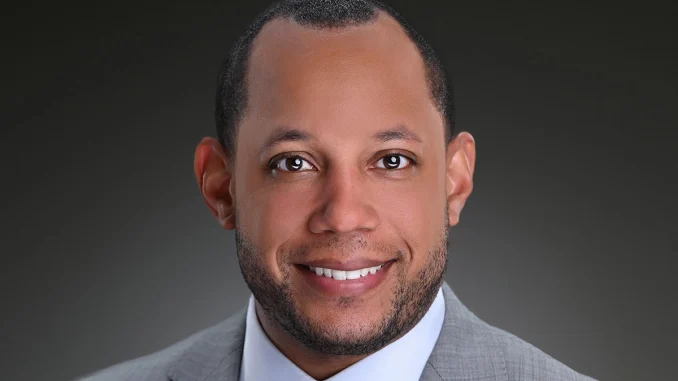
In the Greater New Orleans Area—where culture is layered like history and resilience runs as deep as the Mississippi River—leadership requires more than political instinct; it demands heart, humility, and an unwavering commitment to community. State Representative Kyle Green, Jr. embodies that balance. Rooted in faith, shaped by the rich complexities of Louisiana, and driven by a belief that government should uplift the least among us, Representative Green approaches public service not as a title, but as a sacred trust. In this candid conversation, he reflects on integrity, equity, bipartisan leadership, and the legacy he hopes to leave for both his constituents and his children.
Representative Green, you serve one of the most culturally rich yet politically complex regions in the country. How has growing up and leading in the Greater New Orleans Area shaped your approach to public service?
Growing up in the Greater New Orleans Area—arguably one of the most culturally diverse and historically layered regions in the country—deeply shaped my worldview. We often describe our community as a “gumbo,” and that metaphor is fitting. It represents a blending of people, traditions, faiths, and perspectives that don’t erase one another but instead create something richer together.
Being raised in that environment taught me early on that understanding people is the foundation of leadership. You cannot serve effectively if you are not willing to listen, to learn, and to sit in spaces where experiences differ from your own. That exposure expanded my empathy and reinforced my belief that public service is not about ideology alone—it is about people. Leadership, at its core, begins with listening.
At a time when trust in government feels fragile, how do you define integrity in leadership, and how do you work to model it daily for your constituents?
Integrity in leadership means telling the truth—even when it is uncomfortable, even when it costs you politically. It means being transparent about what can be done, what cannot be done, and why. The people who elect us deserve honesty, not convenience.
For me, integrity is also about consistency. It is showing up the same way in private conversations as you do on the House floor. It is being willing to have difficult discussions, to explain complex policy decisions, and to stand firm when the right path is not the easiest one. My constituents elected me to act in their best interest, not my own political comfort. Modeling integrity daily means honoring that responsibility with courage and clarity.
Heart & Soul celebrates leaders who operate with both purpose and compassion. What personal experiences most influence the policies you champion at the State Capitol?
My faith is central to everything I do. Matthew 25:45 reminds us that whatever we do for the least among us, we do unto Him. That scripture is not abstract to me—it is a directive. It shapes how I think about healthcare, education, criminal justice reform, and economic access.
I believe the true measure of a society is how we treat those with the fewest resources and the least power. Government should not simply exist as a structure of rules; it should function as a force for improving lives. The policies I champion are rooted in the belief that every child deserves opportunity, every family deserves dignity, and every community deserves investment.
As a State Representative, how do you balance the immediate needs of your district with the long-term vision you have for Louisiana’s future?
Addressing the immediate needs of my district is a core responsibility of representation. That means ensuring resources are delivered, infrastructure is strengthened, and constituents feel seen and heard in their day-to-day challenges. Those concerns are real and urgent.
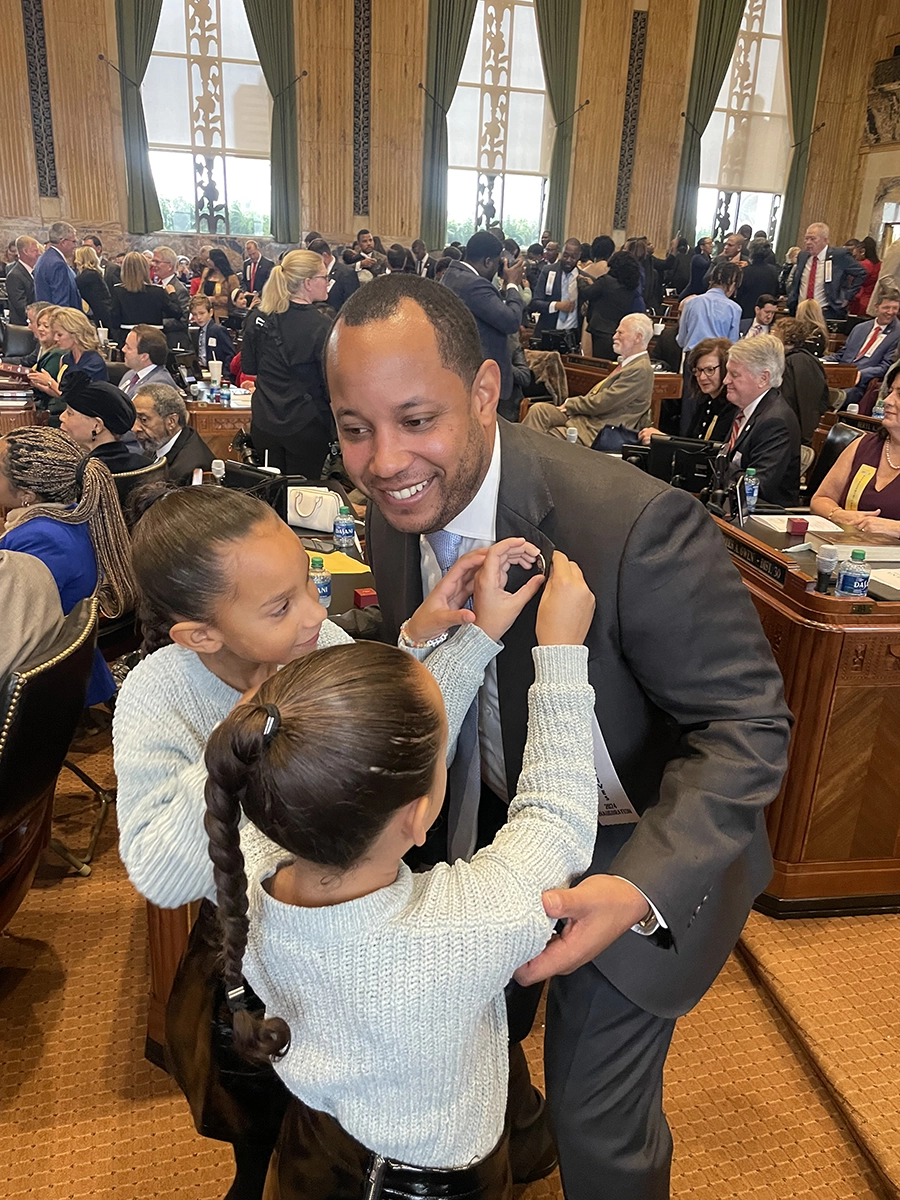
At the same time, we must think beyond the present moment. Louisiana’s long-term future depends on how we invest today—in education, economic development, public safety, and workforce readiness. While many of us share common goals—peace, safety, prosperity—the true work lies in building consensus on how to achieve them. Balancing the now and the next requires both responsiveness and strategic vision.
In recent memory, Louisiana has encountered more than its fair share of adversity, especially the City of New Orleans and the surrounding metropolitan areas. What do you believe will be written in the next chapter for both, and how do you see your role in helping to write it?
Resilience is embedded in our DNA. From hurricanes to economic hardship, our community has repeatedly demonstrated that it will not be defined by adversity. We grieve, we rebuild, and we move forward. That spirit is uniquely New Orleans.
The next chapter, I believe, will be defined by intentional progress—strengthening education systems, expanding economic opportunity, and creating safer neighborhoods. My role is to help shape that chapter with purpose and persistence. Progress does not happen automatically; it requires steady leadership, collaboration, and faith that better days are ahead if we remain committed to the work.
You represent communities that have historically faced systemic inequities. What legislative priorities are you most passionate about to ensure equity translates into opportunity?
One of my greatest priorities is investing in early childhood education. Research consistently demonstrates that children who begin school with strong foundations are more likely to succeed academically, enter the workforce prepared, and avoid future interaction with the criminal justice system.
Equity must move beyond rhetoric and translate into tangible opportunity. Education is one of the most powerful tools we have to break cycles of poverty and expand access to prosperity. When we invest early, we invest wisely—and we change trajectories for generations.
Leadership often requires difficult conversations and coalition building. How do you approach bipartisan dialogue while remaining firm in your core values?
Effective leadership requires both conviction and collaboration. I approach bipartisan dialogue with respect and a genuine willingness to understand differing perspectives. Even in disagreement, there is value in listening sincerely.
Civility creates space for progress. When colleagues know you are willing to engage thoughtfully and without hostility, collaboration becomes possible. At the same time, remaining firm in my core values is non-negotiable. Compromise should never mean abandoning principle. It means finding common ground where possible while standing steady where it matters most.
Beyond policy and politics, what legacy do you hope to leave—not just as a legislator, but as a leader and servant of the people?
Above all, I hope my legacy reflects love—love for my children, love for my community, and love expressed through service. Titles fade, but impact endures.
If I can leave behind a Louisiana that is more equitable, more compassionate, and more prepared for the future than the one I inherited, then I will have done my part. And personally, I hope my children will know that every decision I made was guided by the desire to leave them—and every family I was honored to serve—a better world.
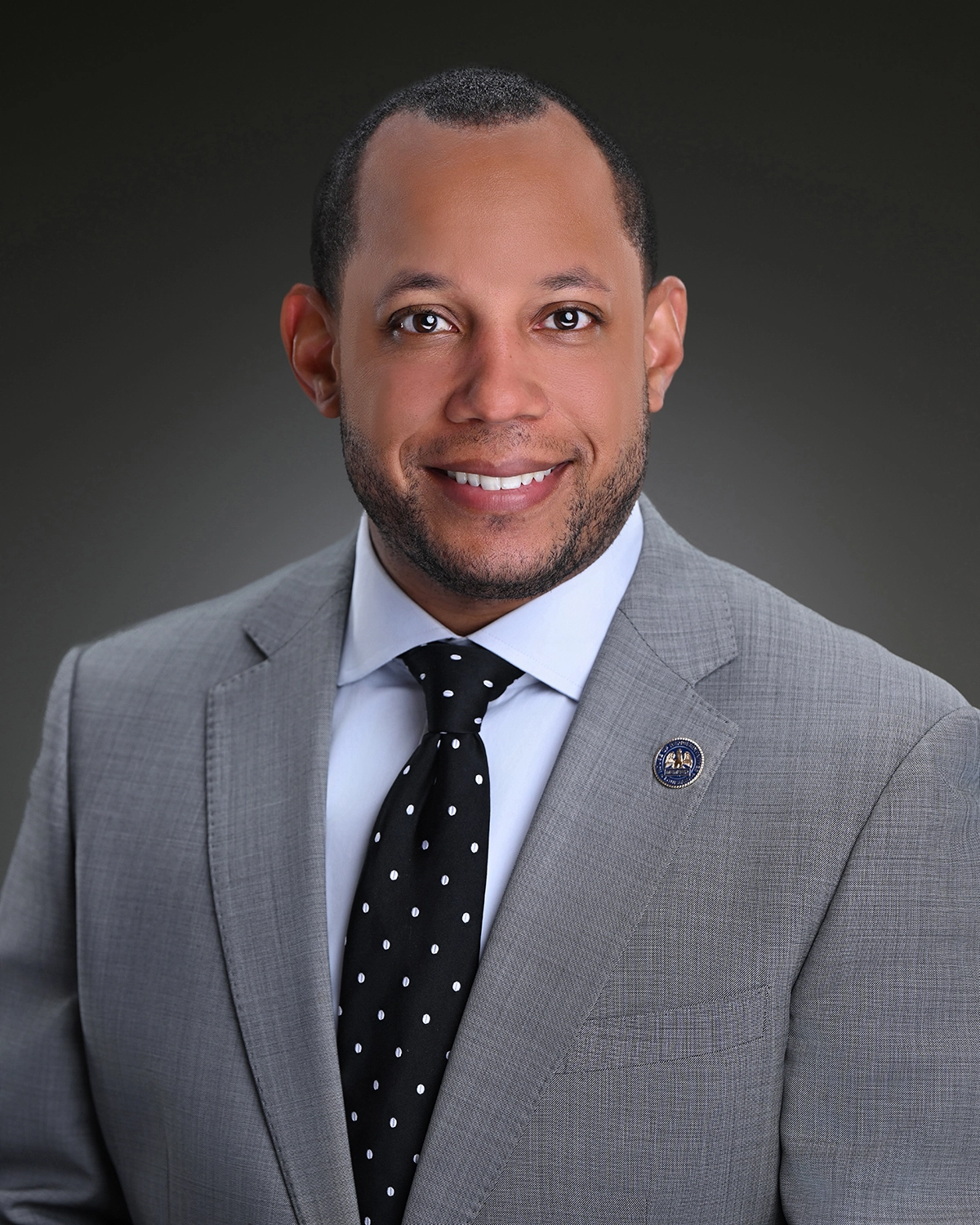
Kyle M. Green, Jr.
Democrat District 83
About The Author