
By Staff
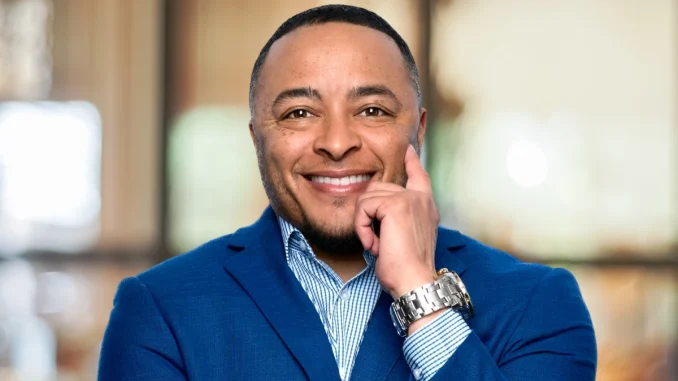
In a city defined by rhythm, resilience, and radiant diversity, Dr. Elijah Nicholas steps into the role of Miami South Beach Grand Marshal not merely as a ceremonial figure, but as a symbol of convergence—where service meets scholarship, and visibility becomes vocation. A retired U.S. Air Force Lieutenant Colonel, nationally recognized policy strategist, and founder of the Global Trans Equity Project, Dr. Nicholas has long operated at the intersection of leadership, faith, and structural reform. His appointment arrives at a cultural moment hungry for principled voices—leaders who understand that representation is not about spectacle, but about stewardship. In South Beach, amid celebration and color, Dr. Nicholas carries a deeper mandate: to transform visibility into access, and access into lasting change.
Dr. Nicholas, being appointed Miami South Beach Grand Marshal is both ceremonial and deeply symbolic. What does this moment represent for you personally, and what message do you believe it sends to minority communities watching your journey?
This moment represents alignment. It represents a life that refused to shrink. To be appointed Grand Marshal in a place as visible and vibrant as Miami South Beach is not simply an honor; it is affirmation that authenticity does not disqualify us from leadership. It is a signal that leadership can look like us, speak like us, and still command excellence.
For minority communities watching, I hope it communicates possibility. I hope a young Black trans child, a veteran rebuilding after service, a queer immigrant creating a new life sees this and understands that visibility is not vanity—it is responsibility. Our stories are not footnotes. They are central chapters. And we are worthy of standing at the front.
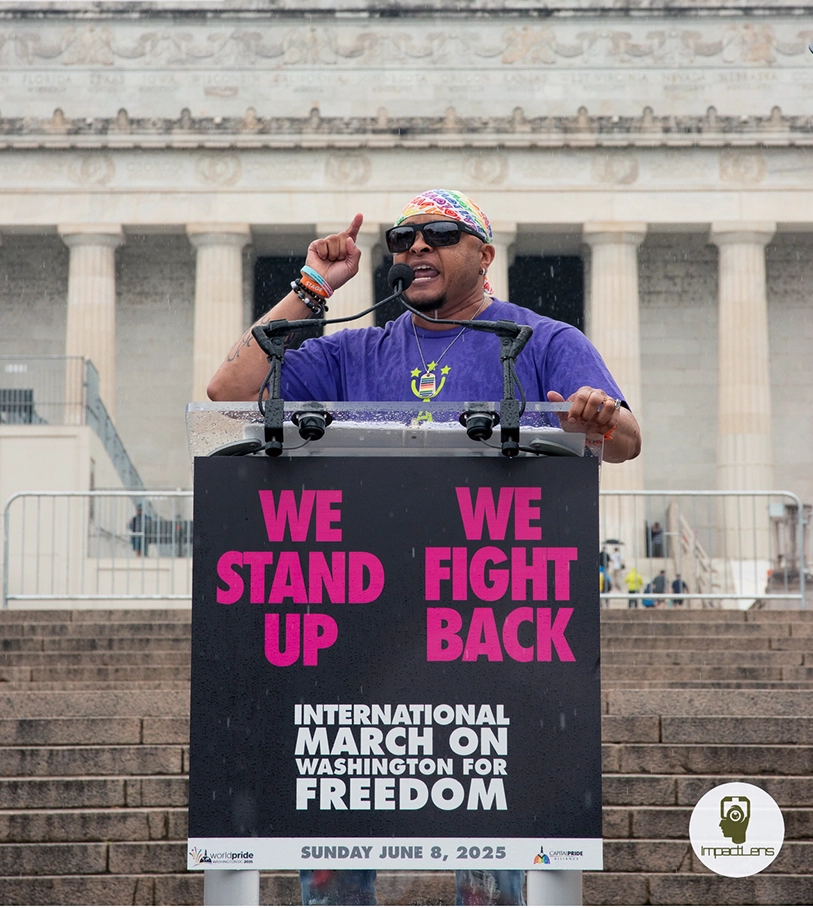
As a retired U.S. Air Force Lieutenant Colonel with nearly 25 years of service, how does your military leadership inform the way you now show up in civic and cultural spaces like this one?
The military taught me discipline, strategic clarity, and accountability. It taught me that leadership is not about rank; it is about service. Nearly twenty-five years in uniform refined my ability to lead under pressure, to unify teams across difference, and to remain mission-focused even when circumstances are complex.
When I enter civic and cultural spaces, I do not arrive seeking applause. I arrive prepared to serve. That foundation allows me to hold ceremony and strategy simultaneously. I can celebrate the moment, and I can also ask what systems must shift so that celebration becomes sustained progress.
This appointment gives you a visible platform in one of the most culturally dynamic cities in the country. How do you intend to use this moment to intentionally engage and uplift minority communities in Miami and beyond?
Visibility without engagement is hollow. My intention is to connect with local organizations, veterans groups, faith leaders, educators, and young people while I am present. I want dialogue that extends beyond the parade route.
Miami is beautifully layered—Black, Latino, Caribbean, immigrant, queer, and veteran communities intersect here in powerful ways. I want to center collaboration across those identities. If I leave having built new partnerships, scheduled listening sessions, and created bridges that outlast the moment, then I will have honored the platform with integrity.
Your work through the Global Trans Equity Project bridges lived experience with legislative impact. In a celebratory space like South Beach, how do you balance celebration with advocacy and policy consciousness?
Celebration is not the opposite of advocacy. Celebration is fuel for it. Through the Global Trans Equity Project, I have learned that joy and policy are not competing forces. They are complementary.
In a space like South Beach, I celebrate our resilience, our culture, and our brilliance. Simultaneously, I remain mindful that rights, healthcare access, and economic equity are ongoing battles. I balance it by remembering that people are more likely to protect what they have been invited to love. So we celebrate loudly—and we organize strategically.
You operate at the intersection of media, policy, and spirituality. How does conscious leadership shape the way you approach visibility, especially in moments that carry both celebration and responsibility?
Conscious leadership requires stewardship over spectacle. I do not chase attention; I steward influence. Before I speak, I ask whether my words align with love, integrity, and long-term impact.
Visibility can inflate the ego if we are not careful. For me, it is a spiritual discipline. It is about remaining grounded while standing elevated. The spotlight is temporary. The ripple effect of what we model can last generations.
As a veteran and a national voice on transgender health equity, what does representation mean to you in 2026, and how can moments like this shift cultural narratives in meaningful ways?
Representation in 2026 must move beyond symbolism. It requires depth, access, and resources. It is not enough to be seen; we must be heard, funded, and protected.
As a veteran and advocate for transgender health equity, I understand how damaging invisibility can be. Moments like this disrupt outdated narratives. They show that transgender people are scholars, veterans, strategists, spiritual leaders, parents, and policymakers. When culture expands its imagination about who we are, policy eventually follows.
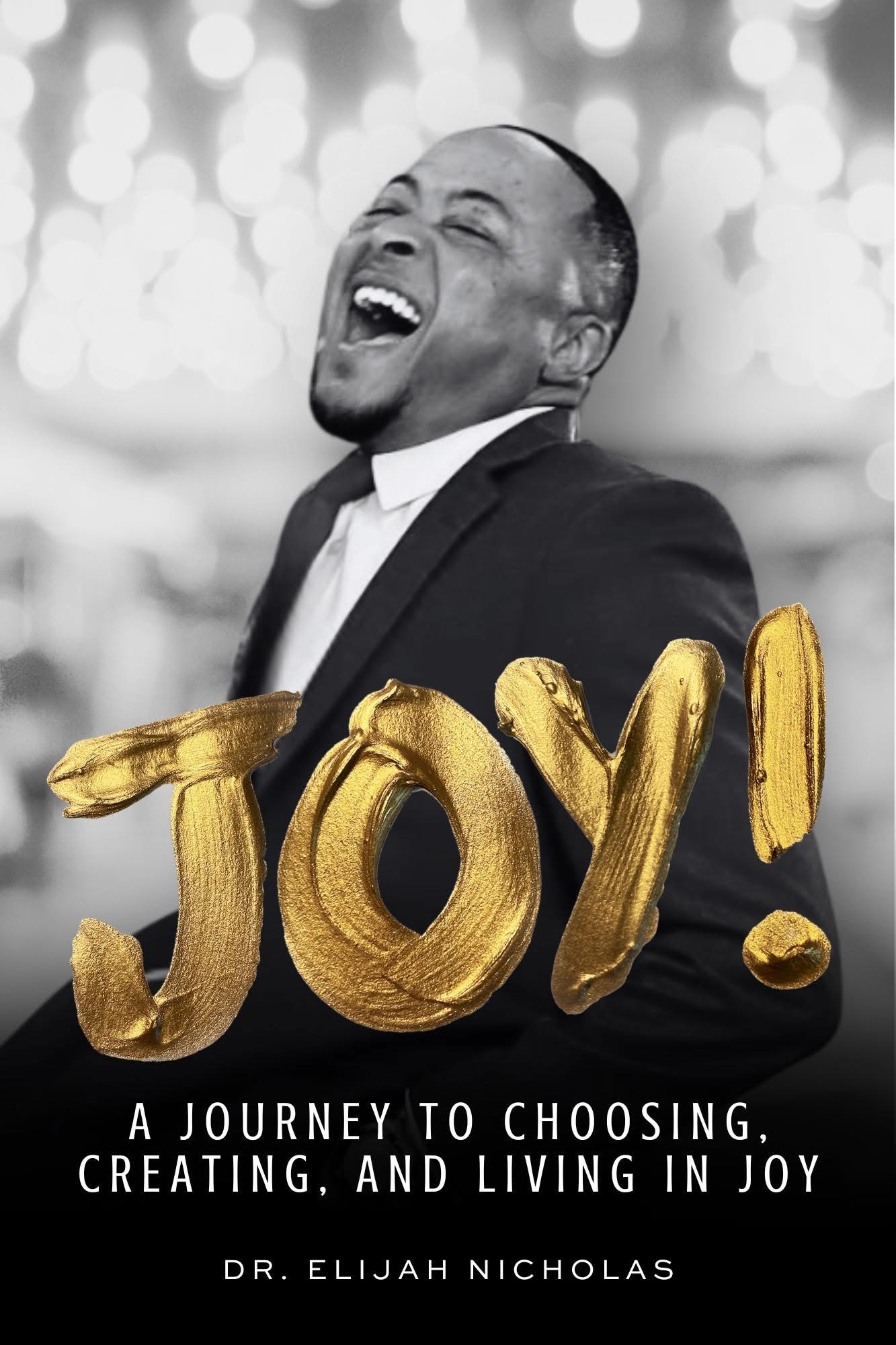
Your latest book, Joy! A Journey to Choosing, Creating, and Living in Joy, reframes joy as discipline rather than emotion. In today’s social climate, how do you practice joy while navigating systems that were not originally built with you in mind?
Joy is a discipline I renew daily. Systems were not built with many of us in mind, but that does not require surrendering our internal sovereignty to them. I practice joy through meditation, community, spiritual grounding, and remembrance—that my existence is intentional.
Joy is not denial. It is resistance. It is the refusal to allow external systems to dictate internal peace. It is the choice to remain expansive while working to transform structures that need reimagining.
Through Focal Point with Dr. Elijah Nicholas, you amplify transformative conversations. If you could host one dialogue during your tenure as Grand Marshal that would move the culture forward, what would it center on?
I would convene a dialogue on democracy and belonging. I would bring veterans, young activists, faith leaders, policymakers, technologists, and artists into the same room. We would ask what it truly means to build a country where no one must choose between safety and authenticity.

Culture advances when we stop speaking in silos and start designing solutions collaboratively.
Artificial intelligence and policy reform are emerging pillars of your work. How do you see technology shaping the future of health equity and minority engagement over the next decade?
Technology will either widen disparities or help close them. The determining factor is intention and accountability.
Artificial intelligence has the potential to analyze health disparities, streamline services, expand access, and improve case management for marginalized communities. However, it must be ethically designed and informed directly by those most impacted.
We must also confront exploitation. In parts of Africa and other regions, minority communities are being underpaid and overexposed to unsafe conditions in the name of technological advancement. That imbalance is not innovation—it is extraction.
Accountability requires transparency, global worker protections, equitable governance structures, and ownership pathways at every level of the technology ecosystem. If equity is centered in both design and policy, technology can accelerate justice rather than automate bias.
As someone standing at the nexus of scholarship, spirituality, and systems-level strategy, what legacy do you hope this Grand Marshal moment contributes to in your broader movement-building journey?
I hope this moment becomes a marker of expansion—not expansion of fame, but expansion of possibility.
I want it to contribute to a legacy where joy and justice are not separate pursuits. Where leadership is both intellectual and compassionate. Where minority communities witness that we can move through institutions, media platforms, and cultural celebrations with excellence and integrity.
If this moment helps even one person believe that they can lead boldly and love consciously at the same time, then it will have fulfilled its purpose.
www.ElijahNicholas.com
ABOUT
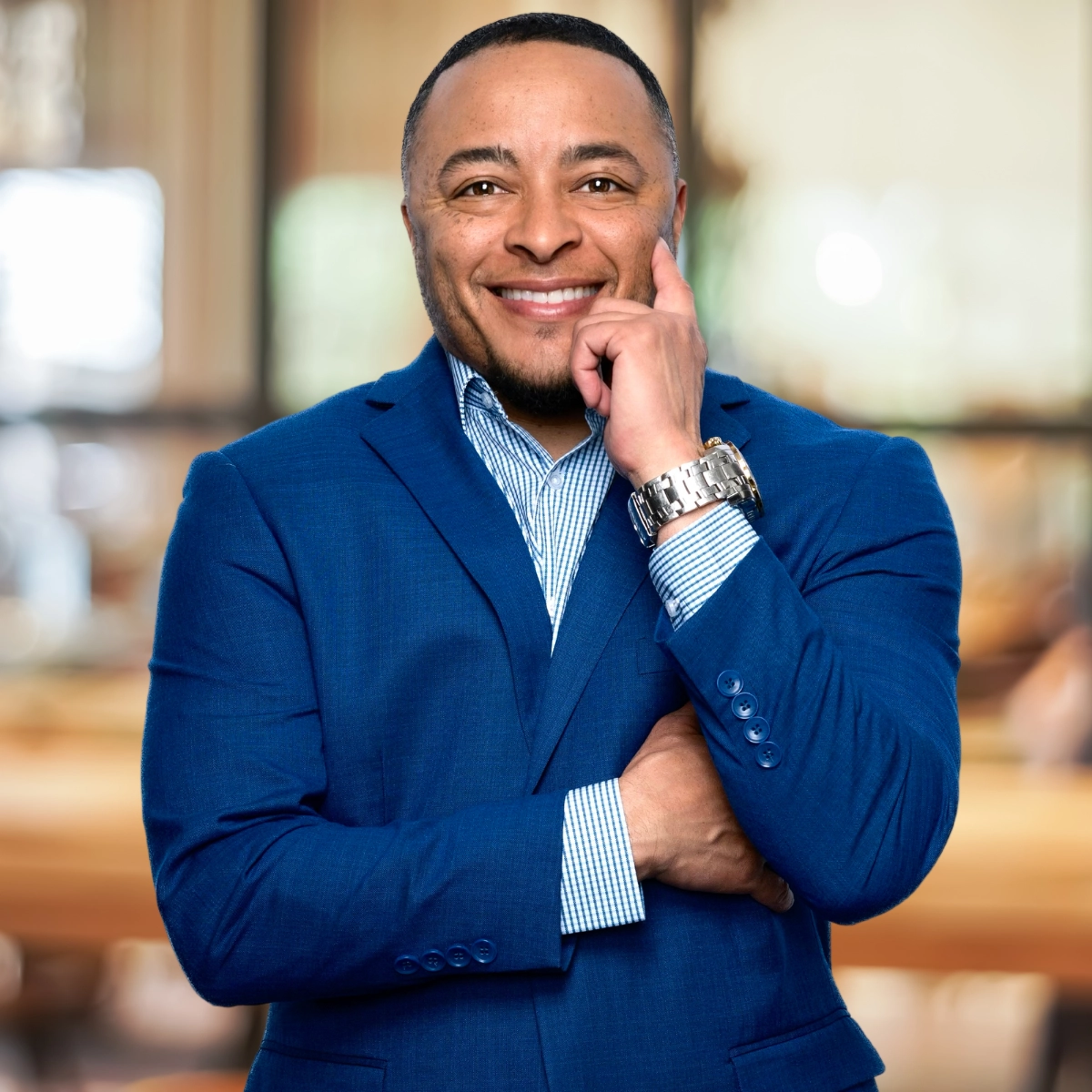
Dr. Elijah Nicholas stands at the forefront of transformative leadership, embodying the essence of innovation and inspiration in every endeavor. A distinguished thought leader, his profound insights and forward-thinking ideas have shaped the landscapes of various industries, earning him accolades and respect in both academic and
professional spheres.
As a multifaceted change agent, Dr. Nicholas’s expertise spans across multiple disciplines, enabling him to craft unique strategies that drive progress and foster sustainable growth. His interdisciplinary approach integrates the latest in technology, psychology, and organizational behavior, positioning him as a catalyst for change in an ever-evolving global environment.
About The Author