
Experienced By Kimatni Rawlins
Hyundai redesigns its global best seller with more space, a stronger hybrid powertrain, and a trail-rated XRT PRO model.
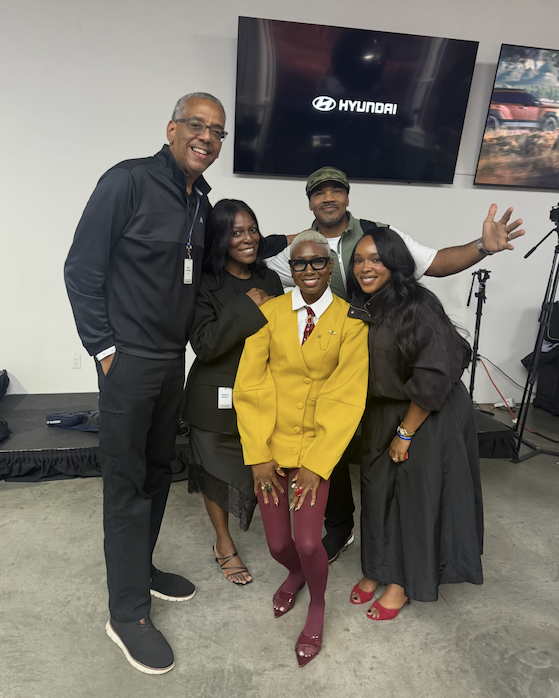
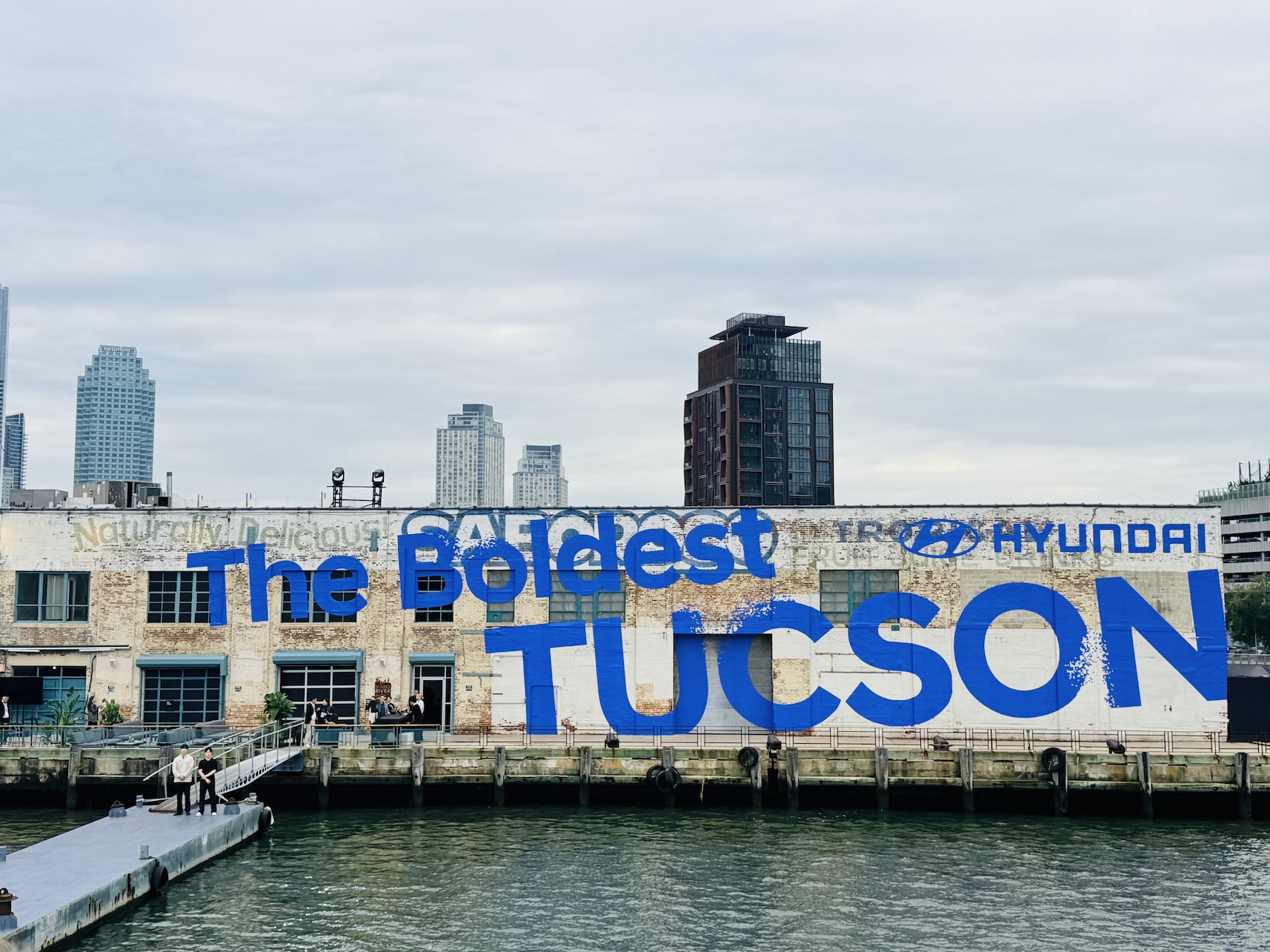
Compact SUVs remain the largest segment in the U.S. market, accounting for roughly one in five new vehicles sold. Hyundai understands the stakes as loyal buyers in this class expect more features from the smaller packages. To meet demand, the Korean automaker hosted an exciting global premiere of the 2027 Tucson at Sound River Studios in Long Island City this week, where media, VIPs, and executives celebrated the rebirth.
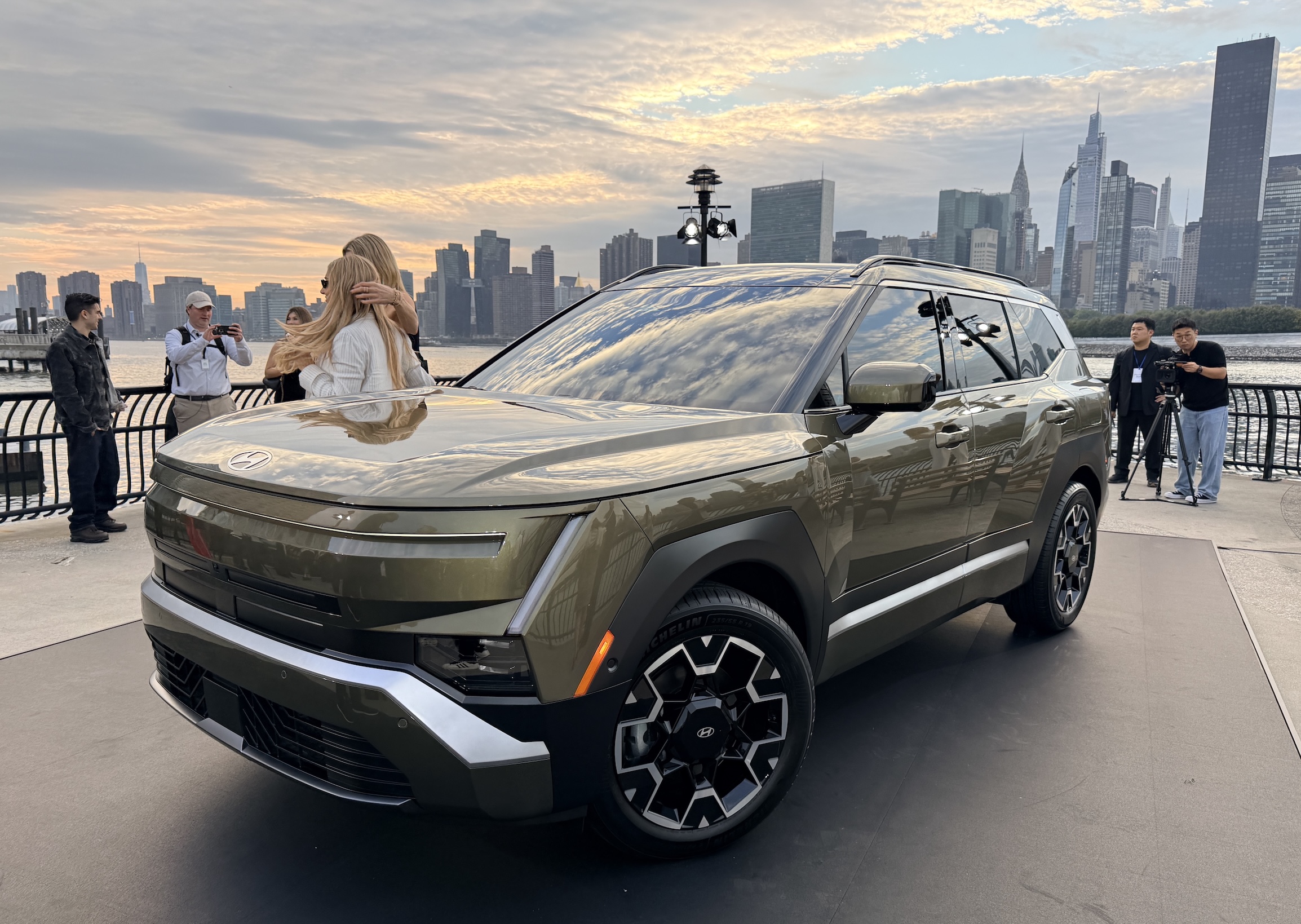
The all-new Tucson steps up its game with an aggressive design ethos dubbed “Art of Steel,” more interior space, a new Android-based infotainment platform called Pleos Connect, an off-road-focused XRT PRO trim, and intelligent hybrid technology that delivers up to 42 mpg. When the wraps came off the new Tucson, all I could think about was how tough the new theme is. Typically, compacts are soft and mundane, but this one is ready for the playoffs. With so many loyal owners, a redesign carries real risk, but with angular and chiseled styling, Hyundai changed a great deal of the Tucson anyway, and most of it is swinging in the right direction. Korea will receive it first later this year, with North America and Europe following in 2027.
José Muñoz, President and CEO of Hyundai Motor Company, did not hedge when describing the technology. “Millions of families around the world count on the Hyundai Tucson, and this is the best one we have ever built,” he said. Muñoz added that the Tucson opens the most ambitious product push in the company’s history, with more than 100 new and refreshed vehicles planned globally by 2030, 58 of them for North America.
Art of Steel Design Ethos
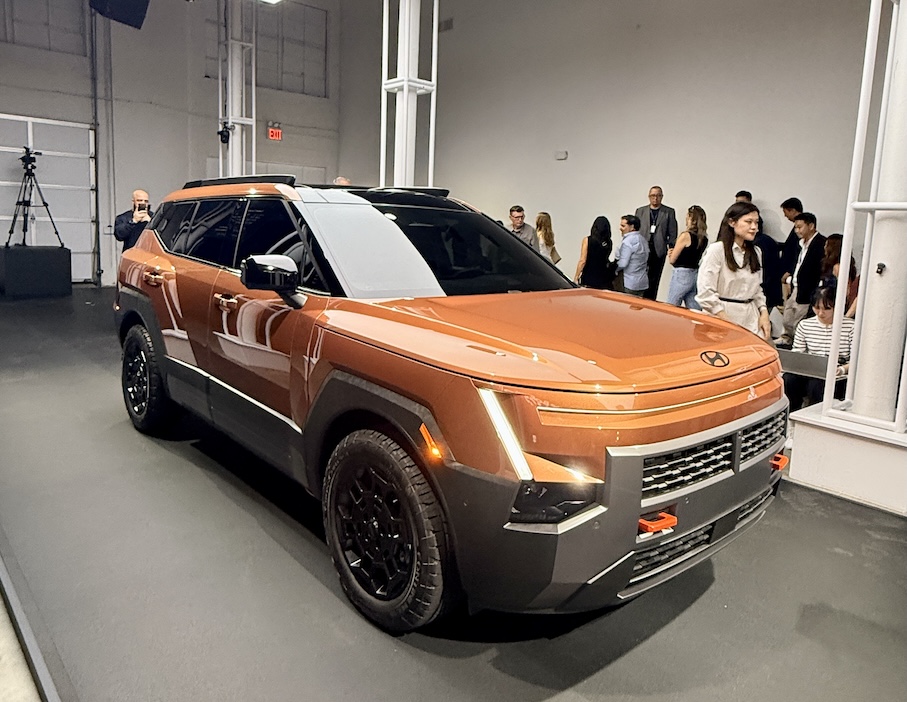
Hyundai calls its new design language “Art of Steel,” and the theme is simple enough. The fenders are pronounced and muscular to show off its sporty attributes, while the SUV is larger in every dimension. The extended wheelbase model (for U.S. markets) measures 185.0 inches long (up 2.4 inches), 75.0 inches wide (up 1.6 inches), and 66.3 inches tall (up 0.8 inches), while the wheelbase grows by about 1.2 inches to 109.6 inches. Hyundai says the width gain is the largest in the segment. The doors now swing open to 83 degrees instead of 73, which will matter to anyone loading a child seat in a tight parking garage. The rear tailgate raises high enough for me to walk under without kneeling or leaning forward.
Exquisite illumination carries much of the new identity. Up front, H-Edge lighting pairs an indirect center band with edge lighting to widen the nose. At the rear, Prism Rear Lamps create the effect of light sitting at the edge of a clear lens with a detailed pattern inside. LED headlamps and taillamps are standard across the lineup. An available Micro Pixel Lighting system uses 25,600 individual LED pixels for clear beam patterns and welcome animations. However, that feature is limited to the short wheelbase model and will not come to North America.
New colors include Ranger Green, Kodiak Blue, Driftwood Gray, and Red Rock Orange, with several featuring color-shift effects or matte finishes. The XRT Pro reveal model came in the environmental Red Rock Orange hue and became the center of attention at the event.
A Larger, Intelligent Cockpit
Inside, Hyundai defines the cabin as a furnished space, more progressive but simplified than the human-centric experience in the prior generation. The driver faces a Double D-Cut steering wheel and a 9.9-inch slim display mounted above the column. Physical buttons for climate and audio sit below the available 17-inch or 12.9-inch QHD center screens which run Android Automotive OS.
The shifter moves to a column-mounted stalk, freeing up the console. Dual 15W wireless charging pads are available, and 100W USB-C ports are fitted to the seatbacks. And get this: the Tucson comes with Bang & Olufsen premium sound systems. Now that’s forward-thinking!
Pleos Connect is Hyundai’s new infotainment system, built on Android Automotive OS. The centerpiece is Gleo AI, an in-car assistant that understands everyday speech and context. Hyundai’s example is a driver asking to find a hiking trailhead with parking within 30 minutes. Third-party apps for entertainment, productivity, and gaming run natively without a phone connection, and the system updates over the air. How well Gleo handles real requests on a busy highway is something we will have to judge from behind the wheel. Though, I’m not all that thrilled about AI in my car. I think we see it enough in other medians.
Hybrid Heroics
The powertrain lineup is where the Tucson makes its strongest case. The Next-generation Hybrid System makes 233 horsepower and delivers up to 42 mpg for the FWD hybrid on 17-inch wheels, with AWD versions landing between 38 and 40 mpg. Two stand-out hybrid-specific features include E-Traction to manage torque during cornering and HEV Stay Mode, which lets occupants run the air conditioning, heat, audio, and device charging with the engine off.
In 2025, hybrids made up 31% of all Tucson sales in the U.S., and Hyundai clearly expects that share to grow. The gas-only Tucson uses a 1.6-liter turbocharged 4-cylinder that makes 184 horsepower and an 8-speed automatic. A Plug-in Hybrid version, offered in select markets, produces 292 PS, carries a 17.1 kWh battery, and delivers an estimated 50 miles of electric range with a 7.2 kW on-board charger. Hyundai has not confirmed the plug-in for North America. Towing improves as well. The U.S. hybrid can pull up to 3,000 pounds, an increase of 1,000 pounds over the previous model.
XRT PRO Ventures Off Pavement
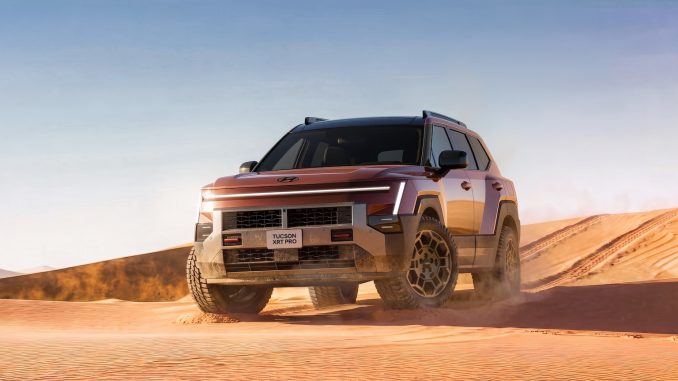
The XRT moniker is Hyundai’s lifestyle trim and has always been more about looks than capability. Yet the new XRT PRO label changes that, allowing active owners to venture off the beaten path, whether heading to trails, campgrounds, or national parks. It is empowered by rugged trim and cladding, specific XRT 18” rims, and all-terrain tires capable of light off-road work. Added capabilities include HTRAC AWD, improved approach and departure angles, red front recovery hooks, and 8.3 inches of ground clearance (about 1.2 inches more than the standard model).
It also debuts Hyundai’s first Smart Terrain Assist, exclusive to the XRT PRO in North America. The system reads traction and wheel slip in real time, then shows a green, orange, or red “stuck score” and suggests a more secure path. It can switch automatically among Snow, Mud, Sand, and Rock modes. Target Speed Control handles throttle and braking at crawling speeds so the driver can focus on steering. A Ground View Monitor shows the terrain beneath the nose. After exploring nature, you will undoubtedly feel comfortable in the intriguing, well-appointed cabin of the Korean compact.
The Verdict So Far
The new 2027 Tucson checks every box with more room, a stronger and more efficient hybrid, buttons for the controls you use daily, and a trim that backs up its rugged styling. While competing against industry leaders such as the Toyota RAV4 and Honda CR-V, the 2027 Tucson is bringing its A-game. How Gleo AI performs in daily use and how the hybrid feels on the road is to be determined. We will address those line items once we get behind the wheel ahead of its 2027 first-quarter arrival in the U.S.
About The Author