


Consider summer as a continuation of learning
By Dr. Denise M. Joseph
Summer as a Bridge: What We Can Learn From London
In many households, the last day of school brings a deep exhale. No morning rush. No homework battles. No calls from the school. For families who have been holding everything together all year, especially Black and Brown families, working parents, and foster or kinship caregivers, summer can feel like a well-earned pause.
Summer doesn’t have to be a setback. It can be a bridge, one that carries children forward and steadies the households that support them. In the United States, summer often means shutting learning down and scrambling for childcare. In London, summer is treated differently, not as a gap to survive, but as a bridge to cross intentionally. Summer learning in London is less about remediation and more about reinforcement, exposure, and confidence.
In London, summer often includes:
- Structured enrichment tied to the school year
- Publicly supported programs through councils, museums, libraries, and community centers
- Learning through experience—arts, history, movement, and exploration
- Clear expectations that children remain engaged, not idle
Key contrast points with the U.S.:
- U.S. families shoulder the burden individually
- Access depends on money, time, and insider knowledge
- Summer becomes a time of loss for learning, routine, and stability
In the U.S., we treat summer like a gap to survive but relief often turns into pressure. We ask: Who’s watching the kids while I work? How do I keep them safe and engaged? How do I stop them from falling behind when we’re already stretched thin? In the U.S., summer too often widens learning gaps. In London, it’s designed to narrow them and it’s treated with intentionality.
What London Gets Right About Summer
When you look across the Atlantic, the contrast is striking. In London, summer is rarely treated as a complete shutdown. Local councils, schools, museums, libraries, and community organizations offer structured summer learning and enrichment that build on the school year. Children attend programs tied to arts, history, science, movement, and real-world exploration. Learning doesn’t disappear, it changes form.
Summer learning there is less about remediation and more about reinforcement and exposure. Children are expected to remain engaged, curious, and connected to their communities. Families are supported through public infrastructure, not left to figure it out alone. That difference isn’t about parents caring more. It’s about systems being built differently.

Summer as a Bridge, Not a Pause
A bridge doesn’t rush you forward. It keeps you from falling back. That’s what summer programs, camps, and enrichment opportunities are meant to do. They are not punishments for students who “need catching up.” They are not luxuries reserved for families with disposable income and flexible schedules. At their best, they are a continuity of learning, of routine, of care.
This matters deeply for families already navigating instability. For children in foster care or kinship placements, summer can mean losing daily structure, trusted adults, and consistent meals all at once. For working families, it can mean juggling impossible schedules and relying on screens because there are few safe, affordable alternatives. For Black and Brown families, it often means confronting a system where access depends on insider knowledge, knowing where to look, when to apply, and who to ask.
Why Starting Now Is an Act of Advocacy
The truth many families learn too late is that now is the time to act: the best summer options fill early. Transportation slots are limited. Scholarships are first-come, first-served. Waiting until June often means settling for whatever is left, or nothing at all. Starting now isn’t about being over-prepared. It’s about access and power. Families who understand how the system works get choices. Families who don’t are left reacting. That gap shows up in August, when some children are confident and regulated, and others are anxious, bored, and disconnected. Planning early reduces stress. It gives households predictability. It turns summer from something to manage into something that supports the whole family.
How Summer Programs Help Students—Beyond Academics
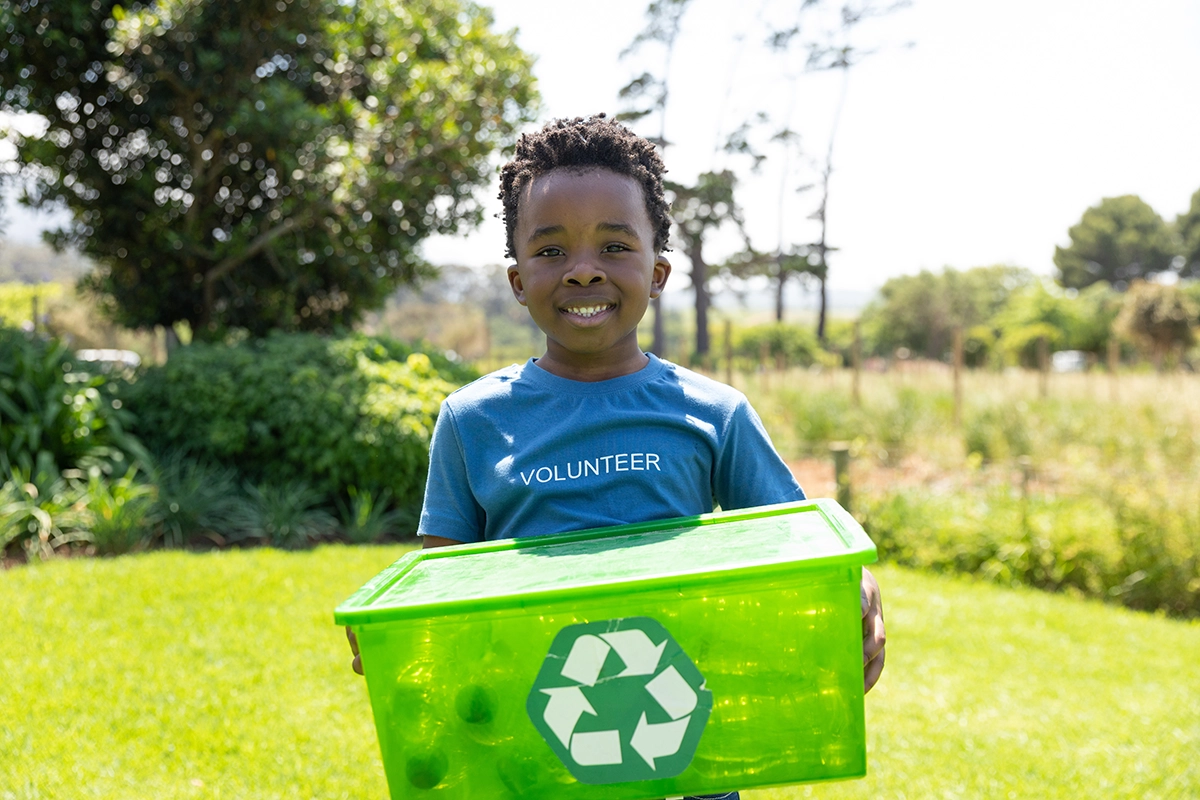
When done well, summer programs do far more than review math facts or reading skills. They:
- Maintain learning momentum without the pressure of grades
- Support social skills, confidence, and emotional regulation
- Reduce behavior challenges linked to unstructured time
- Expose children to mentors, routines, and new possibilities
For students who have experienced trauma, instability, or frequent transitions, this continuity is critical. Summer learning doesn’t replace childhood, it protects it.
How Summer Programs Support the Household
This is the part we don’t talk about enough. Summer programs are also for caregivers. They provide reliable childcare. They reduce screen-time battles. They restore daily rhythm. They offer peace of mind to parents and guardians who are working, healing, or simply trying to make it through. When children are supported, households breathe easier. For foster and kinship caregivers, who are often navigating complex systems with little guidance, summer programs can offer consistency when everything else feels temporary. You Don’t Need Perfect. You Need Support. Not every program will be ideal. That’s okay.
You’re not looking for perfection. You’re looking for safe, structured, and affirming environments – places where children are supervised, engaged, fed, and seen. A bridge doesn’t have to be fancy. It just has to hold.

In summary, summer learning:
- Keeps children connected to learning
- Maintains routine and emotional regulation
- Reduces fall anxiety and behavioral challenges
- Supports working households with predictability

Summer Bridge Resources
Need to find a summer program? Here are some things to consider.
When choosing a summer program, ask:
- Is there structure at least part of the week?
- Will my child be supervised, engaged, and safe?
- Does the program build confidence—not just skills?
- Are meals, transportation, or scholarships available?
Places to look (often overlooked):
- Local libraries and parks & recreation departments
- Community centers, churches, and cultural organizations
- School district summer learning or enrichment pages
- Museums and nonprofit youth programs

List of Summer Pograms options to get you started
- Best Christian Summer Camps 2026 Directory | Best Christian Camps .com | Best 2026 Christian Summer Camps, Bible Camps, & Church Camps for Kids, Teens and Families
- Best Virginia Summer Camps | The Best Camps .com | Best Virginia Summer Camps 2026 Directory
- Maryland Youth Workforce Programs and Services – Division of Workforce Development and Adult Learning
- School’s Out Programs | Charles County Rec & Parks
- Start Upward Sports At Your Church – Upward Sports
- Summer Guide | TeenLife
- 2026 Guide to Summer Camps in the DC Metro area | Kids Out and About DMV
- Summer Programs & Camps – Park and Recreation – Prince Georges County MDYouth Group Mission Trips | Praying Pelican Missions

About
Dr. Denise Joseph is an education leader, writer, and advocate whose work spans school–community partnerships, youth development, and systems change, with a deep commitment to supporting foster and historically marginalized youth. She loves using storytelling and practical insight to help people understand complex systems, claim their power, and become their best selves, on and off the page. At home, she is navigating life with her husband, an exchange student, a puppy who is determined to run the household, and a cat who already does.
I help you understand school, power, and possibility so you can better advocate for your child, your community, and yourself. Because education doesn’t stop at the bell or during breaks.
About The Author