The Story Behind the Story: Shareef Jones Is Preserving Culture One Conversation at a Time
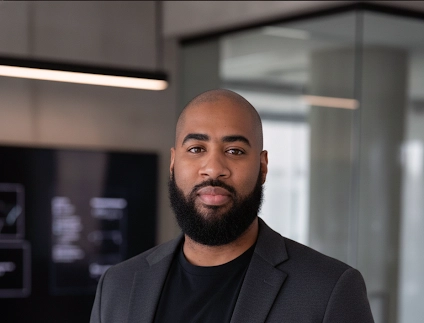
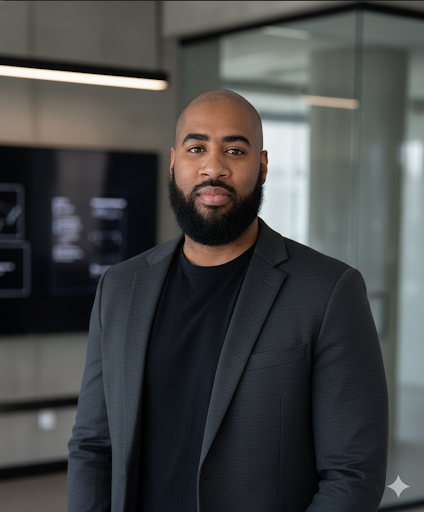
Before the cameras begin to roll, before the lights come on, and long before the final edit, Shareef Jones understands that every meaningful production starts with a story worth telling. From a successful career in the music industry to producing impactful documentaries, television projects, and the groundbreaking Trim & True series, Jones has built a career rooted in purpose rather than popularity. Through authentic conversations, a deep commitment to preserving Black culture, and a passion for documenting the voices that shape our communities, he is creating a body of work that extends far beyond entertainment. In this exclusive Heart & Soul Magazine interview, Jones reflects on legacy, leadership, HBCUs, entrepreneurship, and why the most powerful stories are often found in the most unexpected places.
Your career has taken you from the music industry to producing compelling television and documentaries. Looking back, what defining moment gave you the confidence to pursue storytelling as your life’s calling?
My journey began in the music industry, where I spent 16 years learning the power of connecting with people through creativity. As I transitioned into film and television, I realized stories have the ability to educate, inspire, and preserve culture in ways that last for generations. Working on professional television sets, including My Wife and Kids, gave me a firsthand look at how powerful visual storytelling can be. That experience confirmed that my purpose wasn’t simply to create entertainment—it was to create meaningful stories that leave an impact. From that moment forward, I committed myself to producing content that inspires conversations and changes lives.
Trim & True transforms a simple haircut into meaningful conversations about leadership, mental health, entrepreneurship, and culture. What inspired you to see the barbershop as one of the most powerful spaces for authentic storytelling?
Growing up, the barbershop was never just about getting a haircut—it was where wisdom was shared, businesses were built, friendships were formed, and life lessons were passed from one generation to the next. I realized those conversations deserved a bigger stage. Trim & True was created to capture the authenticity that already exists inside barbershops across America. When someone sits in a barber’s chair, titles disappear and real conversations begin. Those moments are honest, vulnerable, and inspiring, and that’s what makes the show unique.
Through HBCU Sports Life, you’re preserving the legacy of Historically Black Colleges and Universities. Why is it so important to document these stories now, and what do you hope future generations will learn from them?
HBCUs have produced some of the greatest leaders, athletes, educators, and changemakers in history, yet many of their stories remain untold. If we don’t preserve these stories today, we risk losing an important part of our history. Beginning with Clark Atlanta University, HBCU Sports Life is about documenting excellence, resilience, and tradition. I want future generations to understand that HBCUs are more than schools—they are institutions that have shaped culture, opened doors, and changed lives for generations.
Throughout your career, you’ve worked with athletes, entertainers, entrepreneurs, and community leaders. What qualities consistently define the people whose stories deserve to be told?
The people whose stories deserve to be told aren’t always the most famous—they’re the ones who create impact. I’ve learned that resilience, humility, consistency, and a commitment to serving others are qualities that connect every successful person I’ve met. Whether they’re athletes, entertainers, or entrepreneurs, the most inspiring individuals use their platform to uplift others. Those are the stories I want audiences to experience because they’re the stories that create hope.
As the founder of Life After Sports (LAS), you’re helping athletes successfully transition beyond competition. What are the biggest misconceptions about life after sports, and how can mentorship change that narrative?
One of the biggest misconceptions is that success on the field automatically prepares someone for success in business or life after athletics. The truth is, many athletes spend years mastering their sport but never receive the guidance needed to build businesses, manage finances, or discover their purpose beyond competition. That’s why I created Life After Sports. Mentorship provides direction, confidence, and practical knowledge that helps athletes recognize they’re more than their jersey—they’re leaders, entrepreneurs, and future business owners with tremendous potential.
Much of your work centers on culture, legacy, and community. In an era driven by viral content and short attention spans, how do you remain committed to producing stories with lasting impact instead of temporary relevance?
I’ve never chased viral moments—I chase meaningful moments. Trends come and go, but authentic stories have the power to inspire people for decades. Every project I develop asks one question: Will this still matter ten or twenty years from now? If the answer is yes, then it’s worth creating. I want my work to become part of our cultural history, not just another moment people scroll past.
Having spent more than two decades in the entertainment industry, how has your definition of success evolved—from building a career to building a legacy?
Early in my career, success was about opportunities, relationships, and getting my foot in the door. Today, success is measured by impact. It’s about creating opportunities for others, preserving stories that matter, building intellectual property that creates generational wealth, and leaving behind work that continues to inspire long after I’m gone. Legacy isn’t about being remembered—it’s about creating something that continues serving people for generations.
Heart & Soul Magazine celebrates people whose work uplifts and inspires others. When audiences watch your films and documentaries years from now, what do you hope they say about the legacy of Shareef Jones and the stories you chose to tell?
I hope people say that I told stories with integrity, purpose, and heart. I want them to remember that my work celebrated culture, created opportunities, preserved history, and gave a voice to people whose stories might otherwise have gone unheard. If my projects inspire someone to believe in themselves, reconnect with their community, support HBCUs, or pursue their dreams despite adversity, then I’ve accomplished exactly what I set out to do. At the end of the day, I don’t just want to be known as a producer—I want to be remembered as someone who used storytelling to make a lasting difference in people’s lives.
by Staff New “Panorama Luxury in Tromso” itinerary launches in November timed for the “Solar Maximum” when Aurora Borealis sightings are most frequent (Tromso, NORWAY – November 2023) Off the Map Travel announces the launch of the “Panorama Luxury in Tromso” program featuring […]
By Dr. Alveda King We are now in the throes of casting votes in the 2022 midterm elections. My mother, Mrs. Naomi Ruth Barber King, widow of my father, famed slain civil rights activist Rev. A. D. King, and I […]
By Deirdre L. Jones Lowman, Ph.D. (Cand)., MPhil, MBA, ACC Hey Y’all, remember to check on your strong friends! Yeah! I said it!! The strong ones!! You know the one with the S on her chest. Super Woman Super Mother […]