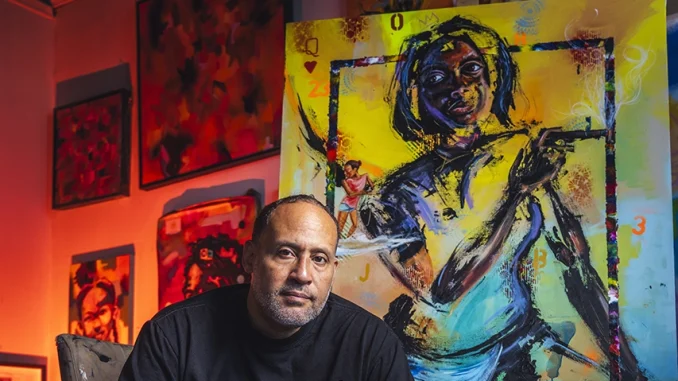

Through the power of visual storytelling, Chicago artist Paul Branton celebrates the dignity, resilience, and cultural richness of African American life while creating a lasting legacy through art.
Introduction
Art has the extraordinary ability to transcend generations, preserve cultural identity, and illuminate the human experience. For Chicago-based visual artist Paul Branton, creativity is more than an expression of beauty; it is an instrument of truth, empowerment, and cultural preservation. Through his distinctive artistic perspective, Branton challenges historical misrepresentations of African Americans while celebrating the richness, resilience, spirituality, and inherent dignity of Black life. His work invites audiences to look beyond the canvas and engage in meaningful conversations about identity, history, humanity, and the responsibility of preserving our collective narratives. Equally passionate about mentorship and the importance of collecting African American fine art, Branton understands that artistic excellence carries both cultural significance and the potential to build generational wealth. In this exclusive conversation with Heart & Soul Magazine, Branton reflects on the experiences that have shaped his creative vision, the importance of representation, and his unwavering commitment to creating art that inspires, educates, and leaves an enduring legacy.
The Interview
What inspired your journey as an artist, and how have your personal experiences shaped the stories you choose to tell through your work?
One of my greatest creative influences has been the legendary Richard Pryor. I have always admired his extraordinary ability to confront the raw, sometimes painful truths of his life and transform those experiences into storytelling that could evoke both laughter and tears. His brilliance was rooted in authenticity. Even when addressing some of life’s most difficult and devastating moments, he found a way to reveal the humanity within those experiences.
I discovered that art could serve a similar purpose in my own life. It became both a form of personal therapy and a powerful vehicle for truth-telling. I believe we are all shaped by the totality of our experiences, both the beautiful and the painful. Those experiences become the foundation of our individuality and the stories we carry.
As an artist, I am not interested in presenting only fragments of the human experience. My desire is to tell complete stories, embracing their complexity, contradictions, triumphs, and vulnerabilities. I want my work to reflect the fullness of life because there is extraordinary beauty and meaning in our collective truths.
African American art has long served as a powerful expression of resilience, beauty, spirituality, and cultural pride. How do these elements influence your creative process, and what do you hope audiences discover about themselves when experiencing your artwork?
To understand my artistic philosophy, one must first acknowledge the historical reality of being Black in America. For generations, African Americans have endured damaging stereotypes, racial caricatures, and distorted representations deliberately perpetuated to reinforce systems of white supremacy. I believe there is an enormous responsibility, particularly among Black artists, to challenge those narratives and offer a more authentic and empowering visual representation of our humanity.
Visual art has been one of civilization’s most enduring and influential forms of communication. Long before many of our stories were documented in written history, images served as powerful expressions of identity, spirituality, community, and cultural significance.
At the very heart of my work is a commitment to portraying African Americans as regal, resilient, powerful, spiritually grounded, and inherently worthy of admiration. These are not simply artistic themes; they are affirmations of who we have always been.
When someone encounters my artwork, I want them to recognize something meaningful about themselves. I want them to feel seen, valued, and empowered. Most importantly, I want my work to reinforce the understanding that our beauty, dignity, and cultural contributions deserve to be celebrated without limitation or apology.
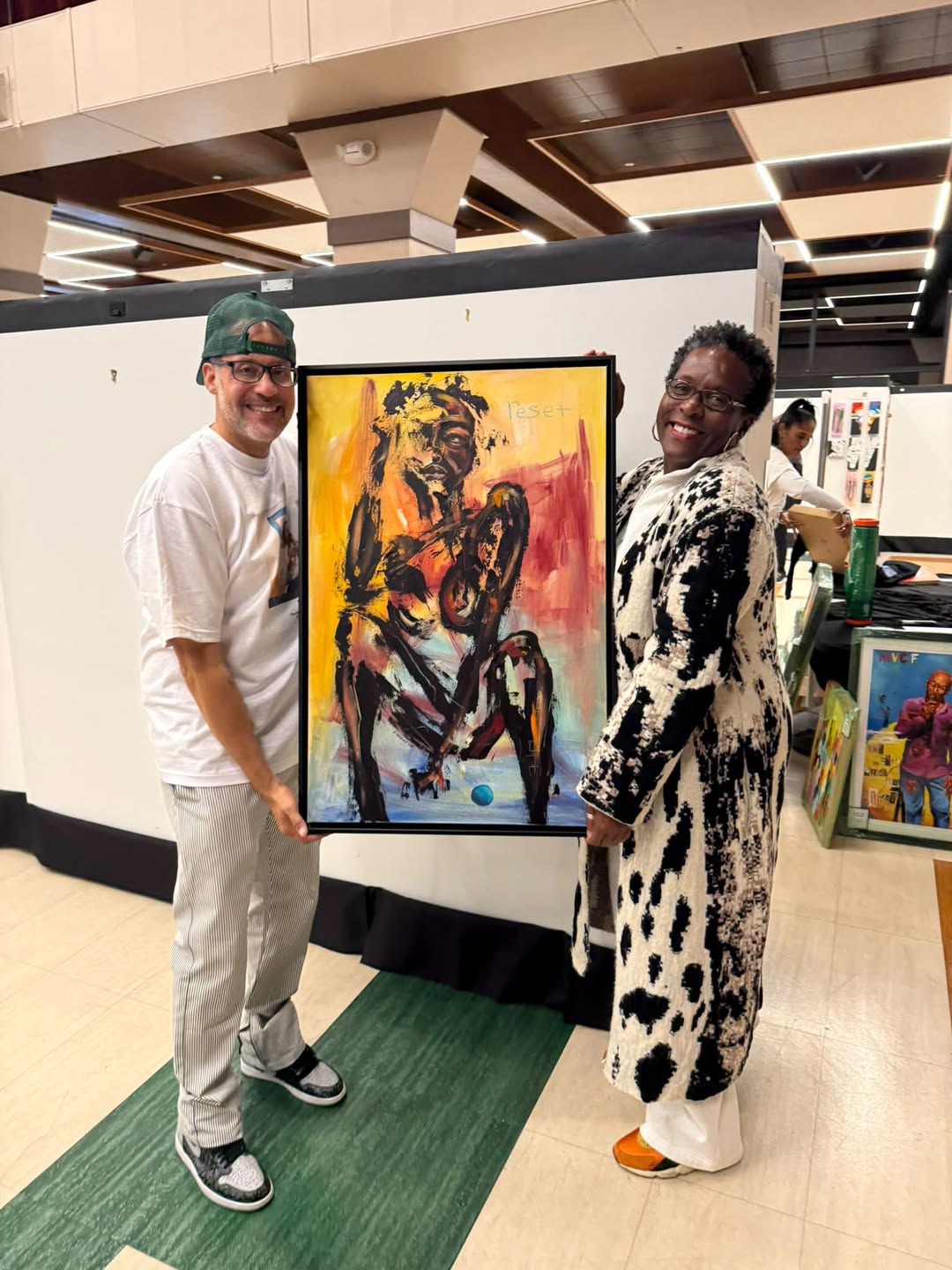
For individuals who may be unfamiliar with African American fine art, what would you like them to understand about its historical significance, artistic diversity, and importance within the broader American art landscape?
One of the most important things people should understand is that African Americans are not a monolithic community, and neither is our artistic expression. Our experiences, perspectives, creative techniques, and cultural influences are extraordinarily diverse. That diversity is one of the greatest strengths of African American fine art.
I often think of visual art as a cultural time capsule. Artists capture the essence of a particular moment in history, preserving the emotions, environments, values, struggles, and triumphs of their time. Long after we are gone, future generations will be able to examine these works and gain a deeper understanding of how we lived, what we believed, and what mattered to us.
Black artists contribute to this historical record through an extraordinary range of mediums, materials, styles, and perspectives. Each artist offers a unique interpretation of the world, and collectively, those interpretations create a much more comprehensive understanding of the African American experience.
Our art is not separate from American art history. It is an essential and inseparable part of it. To truly understand the cultural and artistic evolution of this country, one must acknowledge the profound contributions of African American artists.
Your identity as an artist extends beyond the canvas. How would you describe the Paul Branton brand, what distinguishes your artistic voice, and what do you want your name to represent within the art world?
Two words consistently guide my personal and professional journey: legacy and impact.
I am deeply conscious of the fact that our time on this earth is finite, and I refuse to take that privilege for granted. I believe our lives should be measured not simply by what we accomplish, but by the meaningful difference we make in the lives of others.
Whether someone encounters me personally or experiences my artwork, I want that interaction to leave something positive behind. If I have not inspired someone to think more deeply, consider a different perspective, pursue personal growth, or simply experience a moment of genuine joy, then I believe I have missed an opportunity to contribute something meaningful.
That philosophy is central to the Paul Branton brand. I want my name to represent authenticity, purpose, cultural pride, and a commitment to uplifting humanity.
My artistic voice is rooted in the belief that creativity carries responsibility. I want my work to challenge perceptions, encourage meaningful conversations, and motivate people within my community to recognize their own greatness.
Ultimately, I want my legacy to extend far beyond artistic recognition. I want to be remembered as someone who used his gifts intentionally, created with integrity, and contributed to the advancement and empowerment of his community.
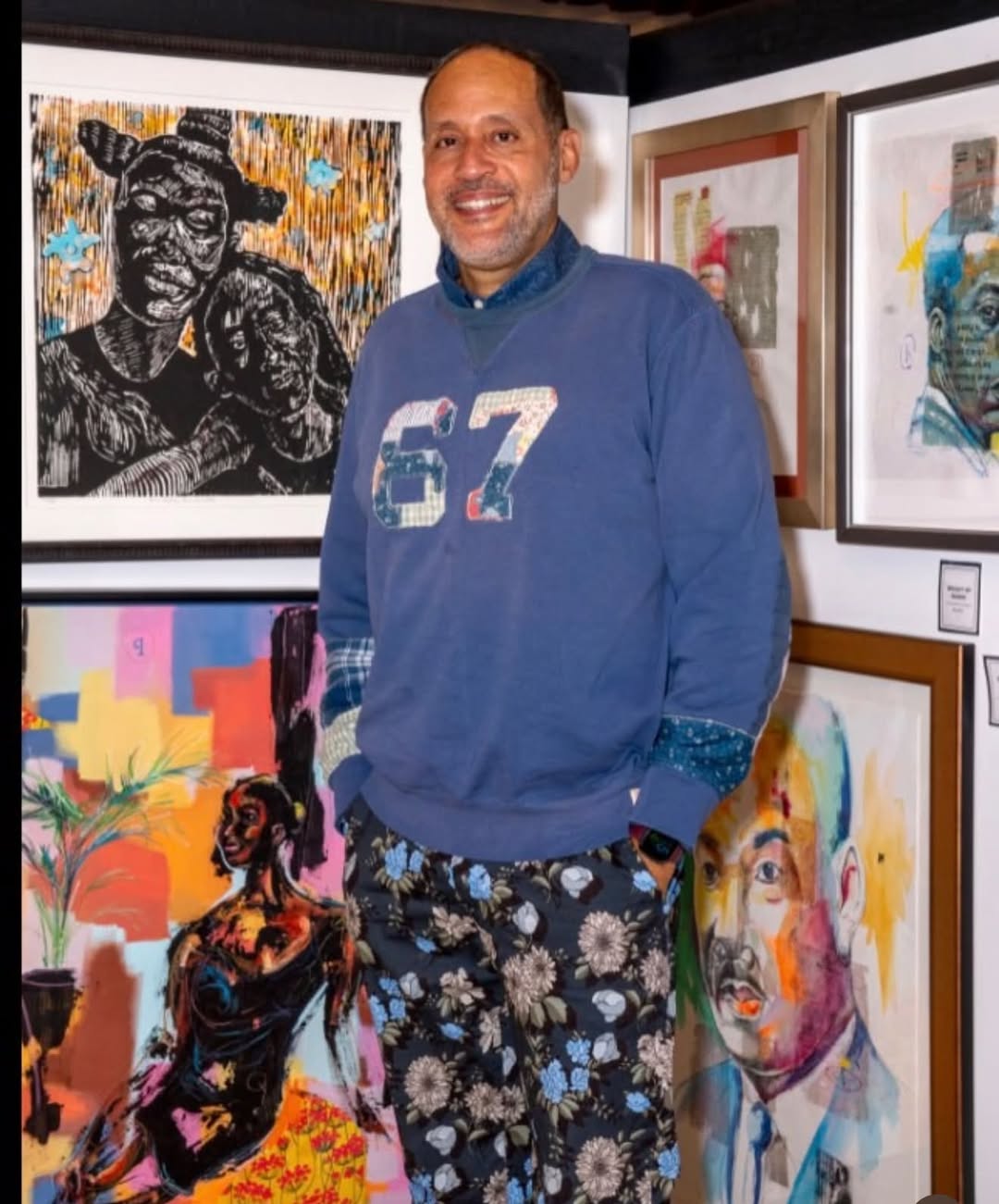
Art collecting can be both a deeply personal experience and an opportunity to build cultural and generational wealth. Why is it important for African Americans to acquire original works of art, support living artists, and begin building collections of their own?
I believe collecting African American art is fundamentally an act of cultural stewardship. When we acquire and preserve original works, we become custodians of our history, our creativity, and the stories that define our collective experience.
There is tremendous power in that responsibility. Supporting Black artists is not simply a financial transaction; it is an intentional investment in the preservation and advancement of our culture. Cultural advocacy takes many forms, and I believe building and sustaining African American art collections can be as meaningful as participating in major movements and demonstrations for social progress.
There is also an important economic dimension to collecting. Original artwork can become a valuable asset, and certain works may appreciate significantly over time. Although appreciation is never guaranteed, thoughtful collecting creates opportunities to preserve both cultural and potential financial value for future generations.
On a deeply personal level, few things bring me greater satisfaction than knowing my artwork resides in the homes of people who reflect the communities in which I was raised.
I cannot predict how far my artistic career will take me, but I find tremendous fulfillment in imagining that my work may one day represent significant cultural and financial value within Black households.
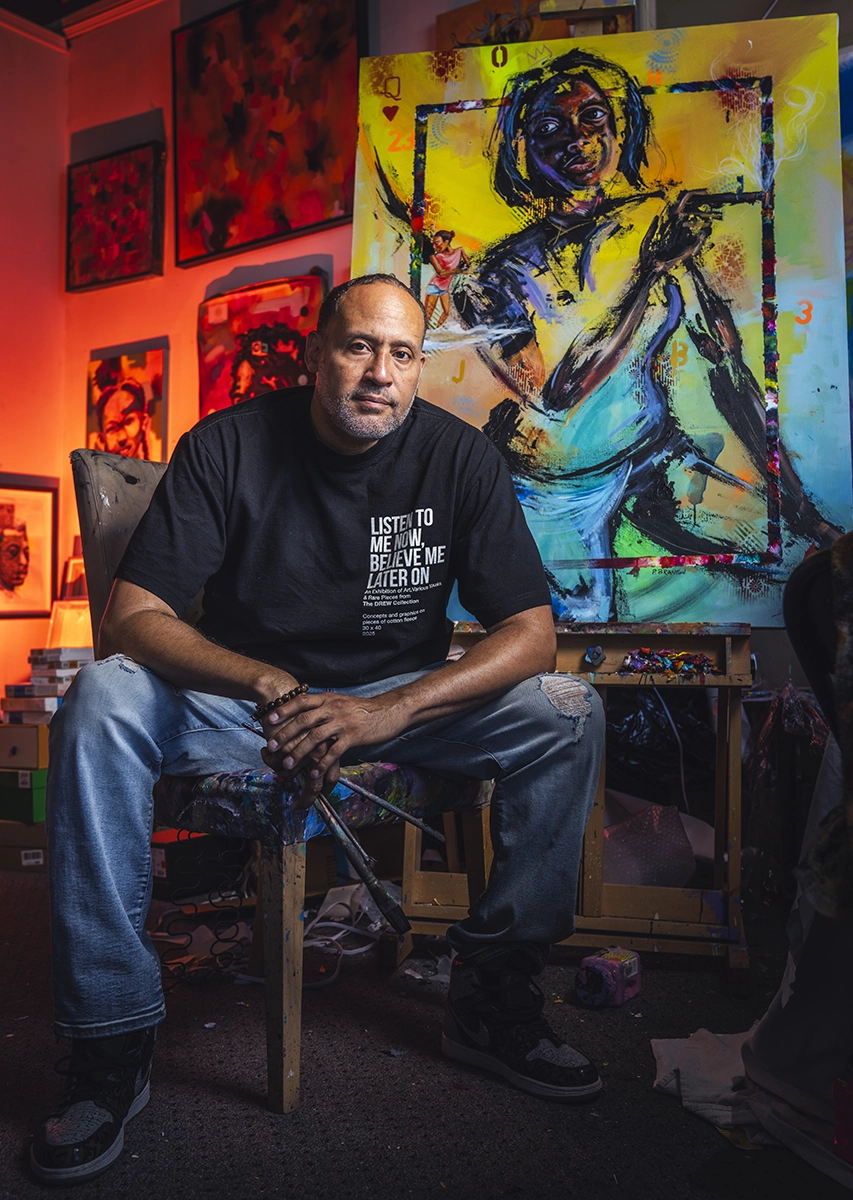
Those are the very communities I have always sought to reach through my art. Knowing that my creative expression can become part of a family’s environment, history, and potentially its generational legacy is profoundly meaningful to me.
Visibility and representation remain important conversations within museums, galleries, and the fine art marketplace. What changes would you like to see in how African American artists are recognized, celebrated, and supported, and how can collectors and cultural institutions contribute to meaningful progress?
As a young person, visiting museums was not always an inviting or affirming experience for me. I rarely encountered artwork that reflected my identity, my community, or the cultural experiences that shaped my understanding of the world.
Even within traditional art history books, the contributions of African American artists were often presented so narrowly that one might assume only a handful had made meaningful contributions to the development of fine art. We know that is far from the truth.
Fortunately, we have begun to witness greater representation of artists of color within major museums, galleries, and cultural institutions. While that progress is encouraging, there is still considerable work to be done to ensure that recognition is substantive, consistent, and historically accurate.
One of the most important lessons I have learned is that collectors possess tremendous influence within the art ecosystem. Museums and galleries often respond to the interests, advocacy, and acquisitions of collectors. That means individuals who intentionally support African American artists can help shape which creative voices receive institutional recognition and historical documentation.
We all have a role to play. Artists must continue creating, collectors must continue investing, and cultural institutions must be willing to broaden their perspectives and challenge longstanding exclusions.
Ultimately, meaningful progress requires more than temporary visibility. It requires a sustained commitment to ensuring that African American artists are properly recognized, celebrated, collected, and permanently included in the historical narrative of fine art.
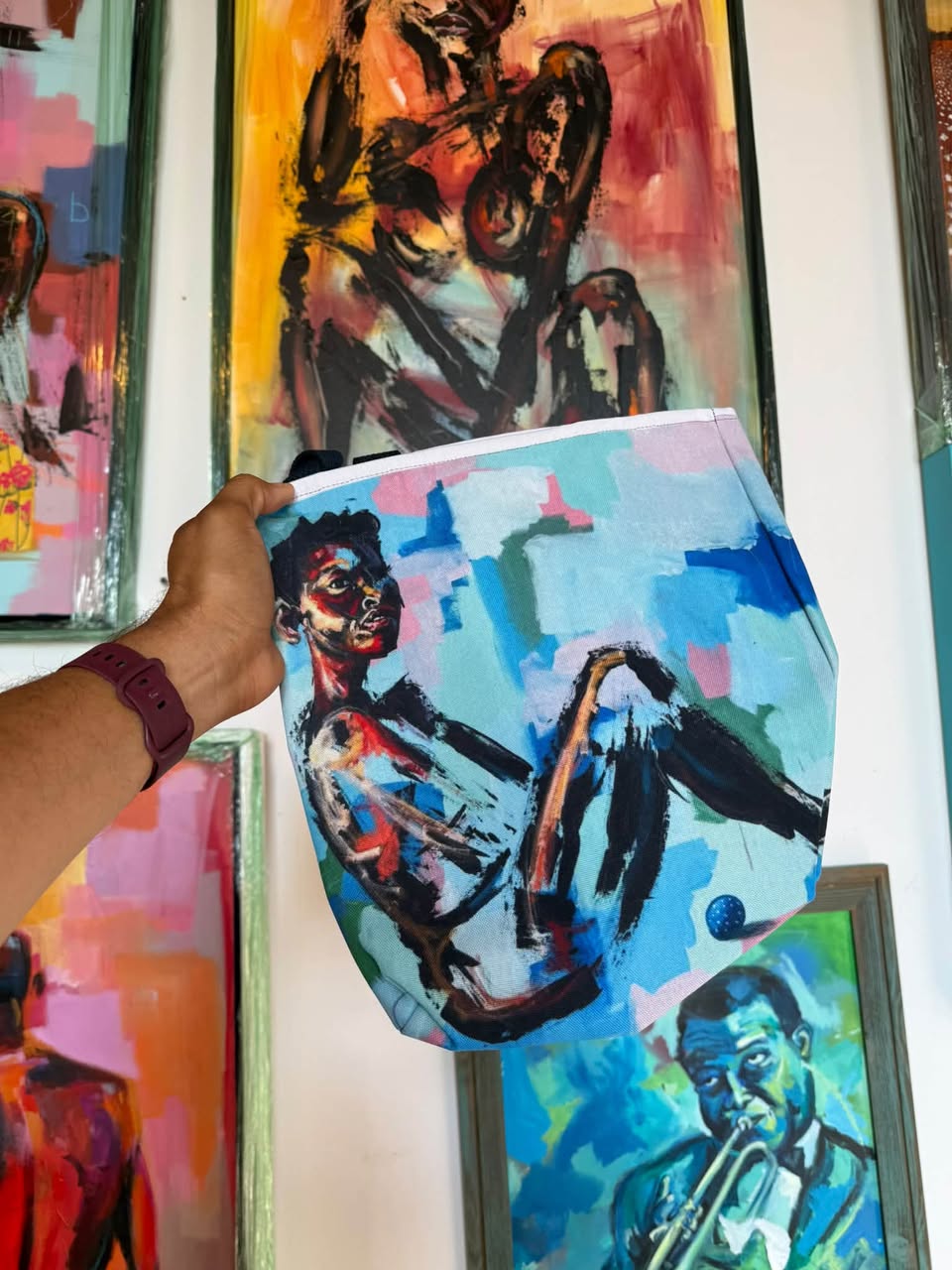
As you consider the next chapter of your artistic journey, what legacy do you hope to establish through your work, and how would you like your art to inspire future generations to embrace their creativity, honor their heritage, and recognize the power of artistic expression?
Legacy is something I consider with great intention. Throughout my journey, I have made it a priority to mentor as many emerging young artists as possible because I understand the importance of encouragement, guidance, and representation in helping someone recognize their creative potential.
I want young artists, particularly those within our communities, to understand that their perspectives matter and that their stories deserve to be told. They should never feel compelled to diminish their cultural identities or compromise their authenticity to gain acceptance within the art world.
At the same time, I recognize that my artwork will ultimately outlive me. Long after my physical presence is gone, those paintings will continue to communicate the ideas, emotions, and cultural affirmations that inspired their creation.
My greatest hope is that, throughout my artistic journey, I will have developed a distinctive and recognizable voice that consistently amplifies the greatness of my people.
If future generations encounter my work and feel a deeper appreciation for their heritage, a stronger sense of pride in their identity, or the courage to express themselves creatively, then I will consider that a meaningful legacy.
For me, the ultimate measure of artistic success is not simply how widely my work is recognized, but how deeply it resonates and how long its message continues to inspire.
Social Media
About The Author