
Randi Payton
Sometimes the most compelling automotive stories aren’t found behind the wheel; they’re uncovered by walking through history.
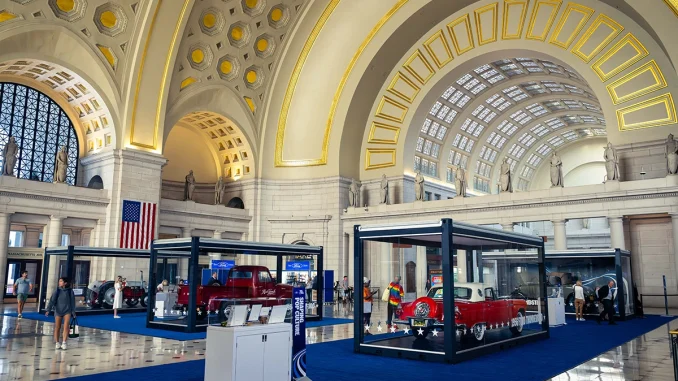
That’s exactly what I experienced while visiting Ford Motor Company’s “Driving America Forward: A Ford Experience” exhibit at Washington, D.C.’s historic Union Station. The exhibit is free, from July 1 to 14, and highlights Ford’s role in America’s 250-year history of transportation, innovation, agriculture, technology, and popular culture.
As I entered the exhibit, I was struck by how Ford linked automobiles to America’s broader story. One display, titled “Shaping Pop Culture,” shows how Ford vehicles are woven into American life—from the white Mustang in the James Bond classic Goldfinger to the legendary Mustangs that have inspired generations of drivers. Ford’s impact goes beyond transportation into movies, music, fashion, and TV, making its vehicles as recognizable in popular culture as they are on American roads.
One of the exhibit’s highlights is a beautifully restored 1951 Ford 8N Tractor, a reminder that Ford’s influence extended beyond passenger cars. Released after the innovative Fordson tractor, the 8N transformed American farming by providing affordable mechanized power to family farms. Over 500,000 units were produced, and many are still in use today, proving Ford’s focus on durability and innovation.
For African American visitors, however, another story deserves equal attention.
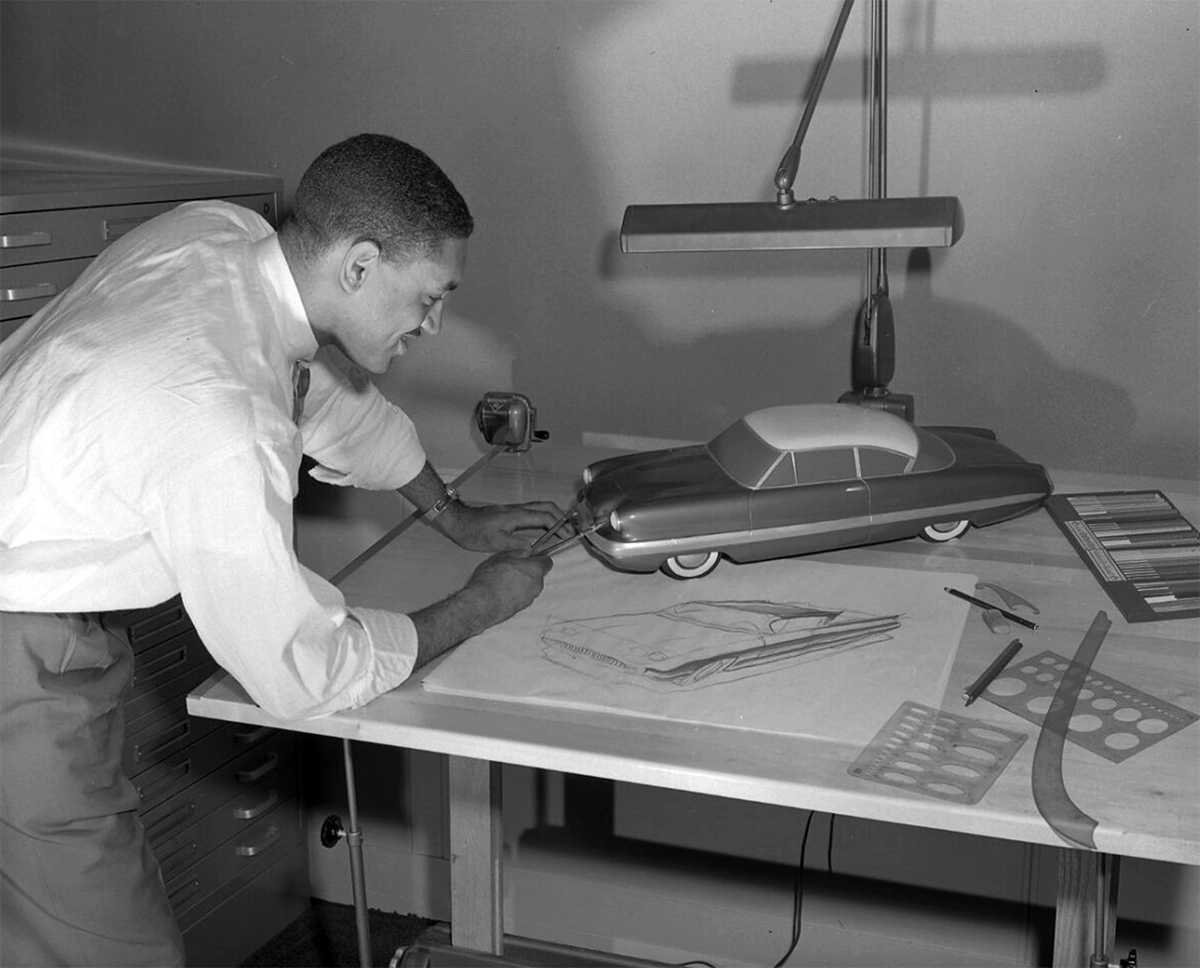
Few people realize that McKinley Thompson Jr. became Ford’s first African American automotive designer in 1956. Thompson helped shape the design of the original Ford Bronco, Ford’s response to the Jeep, breaking racial barriers in an industry where African Americans were rarely seen in automotive design studios. His success opened doors for generations of Black designers and engineers whose creativity still influences the cars we drive today.
The exhibit also reminded me of one of the most fascinating partnerships in American industrial history—the friendship between Henry Ford and well-known agricultural scientist Dr. George Washington Carver.
Starting in the 1930s, the two visionaries believed that agriculture could influence the future of manufacturing. Carver, the talented chemist and botanist at Tuskegee Institute, introduced Ford to the industrial potential of soybeans, peanuts, sweet potatoes, and other crops. Their partnership led Ford to use soybean-based plastics in car parts, including gearshift knobs, horn buttons, distributor caps, and even automotive paint.
During World War II, when natural rubber became scarce, Carver and Ford investigated plant-based alternatives, including goldenrod and other crops. Their friendship grew so strong that Ford built Carver a research lab in Dearborn, Michigan, and after Thomas Edison’s death, Ford called Carver “the greatest of all my inspiring friends.”
Those stories of innovation and inclusion add another layer to the exhibit. They remind visitors that African Americans have contributed to automotive history not only as consumers and assembly-line workers but also as scientists, inventors, engineers, and designers whose achievements helped move America forward.
Walking through Union Station, surrounded by historic vehicles, archival photographs, World’s Fair memorabilia, and displays chronicling Ford’s influence on American life, I gained a deeper appreciation that the automobile is more than just a machine. It reflects our nation’s ingenuity, perseverance, and diversity.
Ford’s exhibit tells the story of an iconic company. Looking a little deeper reveals another story—one in which African American innovation helped power America’s progress every mile of the way.
Sometimes the most compelling automotive stories aren’t found behind the wheel; they’re uncovered by walking through history.
That’s exactly what I experienced while visiting Ford Motor Company’s “Driving America Forward: A Ford Experience” exhibit at Washington, D.C.’s historic Union Station. The exhibit is free, from July 1 to 14, and highlights Ford’s role in America’s 250-year history of transportation, innovation, agriculture, technology, and popular culture.
As I entered the exhibit, I was struck by how Ford linked automobiles to America’s broader story. One display, titled “Shaping Pop Culture,” shows how Ford vehicles are woven into American life—from the white Mustang in the James Bond classic Goldfinger to the legendary Mustangs that have inspired generations of drivers. Ford’s impact goes beyond transportation into movies, music, fashion, and TV, making its vehicles as recognizable in popular culture as they are on American roads.
One of the exhibit’s highlights is a beautifully restored 1951 Ford 8N Tractor, a reminder that Ford’s influence extended beyond passenger cars. Released after the innovative Fordson tractor, the 8N transformed American farming by providing affordable mechanized power to family farms. Over 500,000 units were produced, and many are still in use today, proving Ford’s focus on durability and innovation.
For African American visitors, however, another story deserves equal attention.
Few people realize that McKinley Thompson Jr. became Ford’s first African American automotive designer in 1956. Thompson helped shape the design of the original Ford Bronco, Ford’s response to the Jeep, breaking racial barriers in an industry where African Americans were rarely seen in automotive design studios. His success opened doors for generations of Black designers and engineers whose creativity still influences the cars we drive today.
The exhibit also reminded me of one of the most fascinating partnerships in American industrial history—the friendship between Henry Ford and well-known agricultural scientist Dr. George Washington Carver.
Starting in the 1930s, the two visionaries believed that agriculture could influence the future of manufacturing. Carver, the talented chemist and botanist at Tuskegee Institute, introduced Ford to the industrial potential of soybeans, peanuts, sweet potatoes, and other crops. Their partnership led Ford to use soybean-based plastics in car parts, including gearshift knobs, horn buttons, distributor caps, and even automotive paint.
During World War II, when natural rubber became scarce, Carver and Ford investigated plant-based alternatives, including goldenrod and other crops. Their friendship grew so strong that Ford built Carver a research lab in Dearborn, Michigan, and after Thomas Edison’s death, Ford called Carver “the greatest of all my inspiring friends.”
Those stories of innovation and inclusion add another layer to the exhibit. They remind visitors that African Americans have contributed to automotive history not only as consumers and assembly-line workers but also as scientists, inventors, engineers, and designers whose achievements helped move America forward.
Walking through Union Station, surrounded by historic vehicles, archival photographs, World’s Fair memorabilia, and displays chronicling Ford’s influence on American life, I gained a deeper appreciation that the automobile is more than just a machine. It reflects our nation’s ingenuity, perseverance, and diversity.
Ford’s exhibit tells the story of an iconic company. Looking a little deeper reveals another story—one in which African American innovation helped power America’s progress every mile of the way.
Visit Decisive Media Network for a complimentary subscription to my auto blog, where you can find updated car-buying tips and reviews on new cars, SUVs, and trucks. Randi Payton, Decisive Media Network, with research from ChatGPT.Visit Decisive Media Network for a complimentary subscription to my auto blog, where you can find updated car-buying tips and reviews on new cars, SUVs, and trucks. Randi Payton, Decisive Media Network, with research from ChatGPT.
About The Author