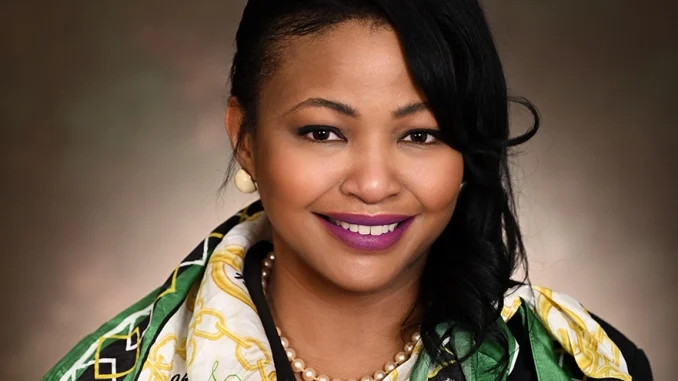

By Diana Bien-Aime, Ph.D.
Teamwork!What was once considered a ‘soft’ skill is now referred to as a ‘smart’ skill (Padurean, 2023). The National Association of Colleges and Employers continue to rate the ability to work in teams second in the top 20 skills desired, requiring employees to possess the ability to collaborate cross culturally and generationally (Langer, 2025). Whether students accumulate sufficient resources in acknowledging and using their cultural capital during the educational process to successfully function in a diverse society is not often addressed.
There is an opportunity to cultivate a new mindset that acknowledges the communicative cultural experiences of minority students and to use such knowledge to transform the learning environment and ultimately their work environments upon graduation. The overarching research question guiding this study is the following:
How does reflective journaling centered on exploring student’s acknowledgement and acceptance of their culture’s influence on their existing communication style impact their ability and willingness to respect/understand the cultural influences of others in small group communication? A total of 57 reflective journal entries were collected from 19 students enrolled in a 14- week Introductory Communication course.
Results reveal 84% of participants were raised with a collectivistic approach to communication. Participants actively use this collectivistic approach when communicating with others. Perceptions of authority reveal a willingness to accommodate based on the audience. Overall, participants appreciated their cultural influence on their communication style and found it helpful to discover that their upbringing is an asset to being prepared to enter a very diverse workplace.
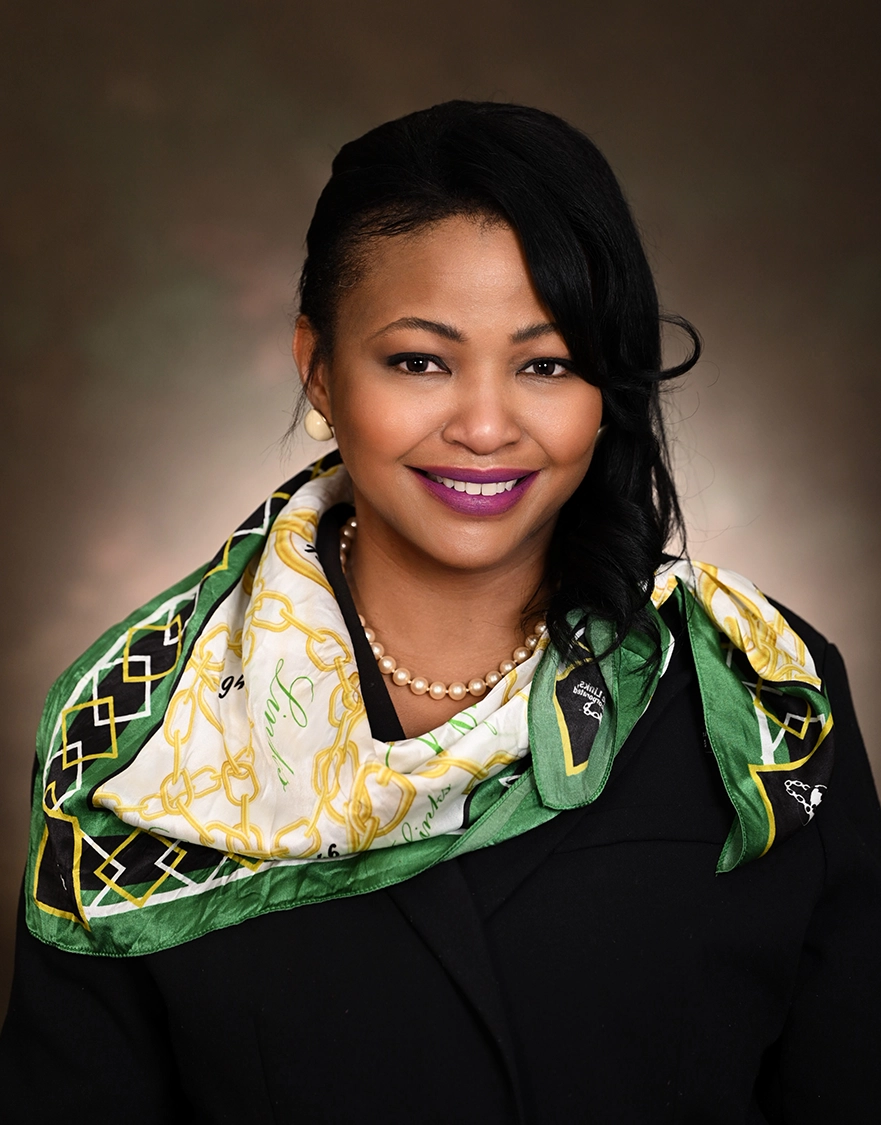
Diana Bien-Aime, Ph.D. is an Assistant Professor of Communication at Georgia State University.
dbeinaime@gsu.edu
About The Author