
By Staff
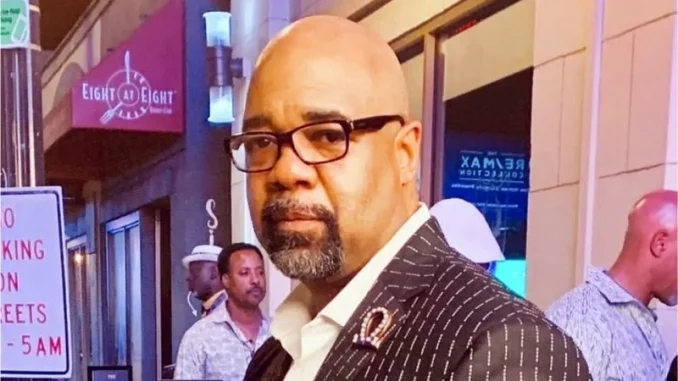
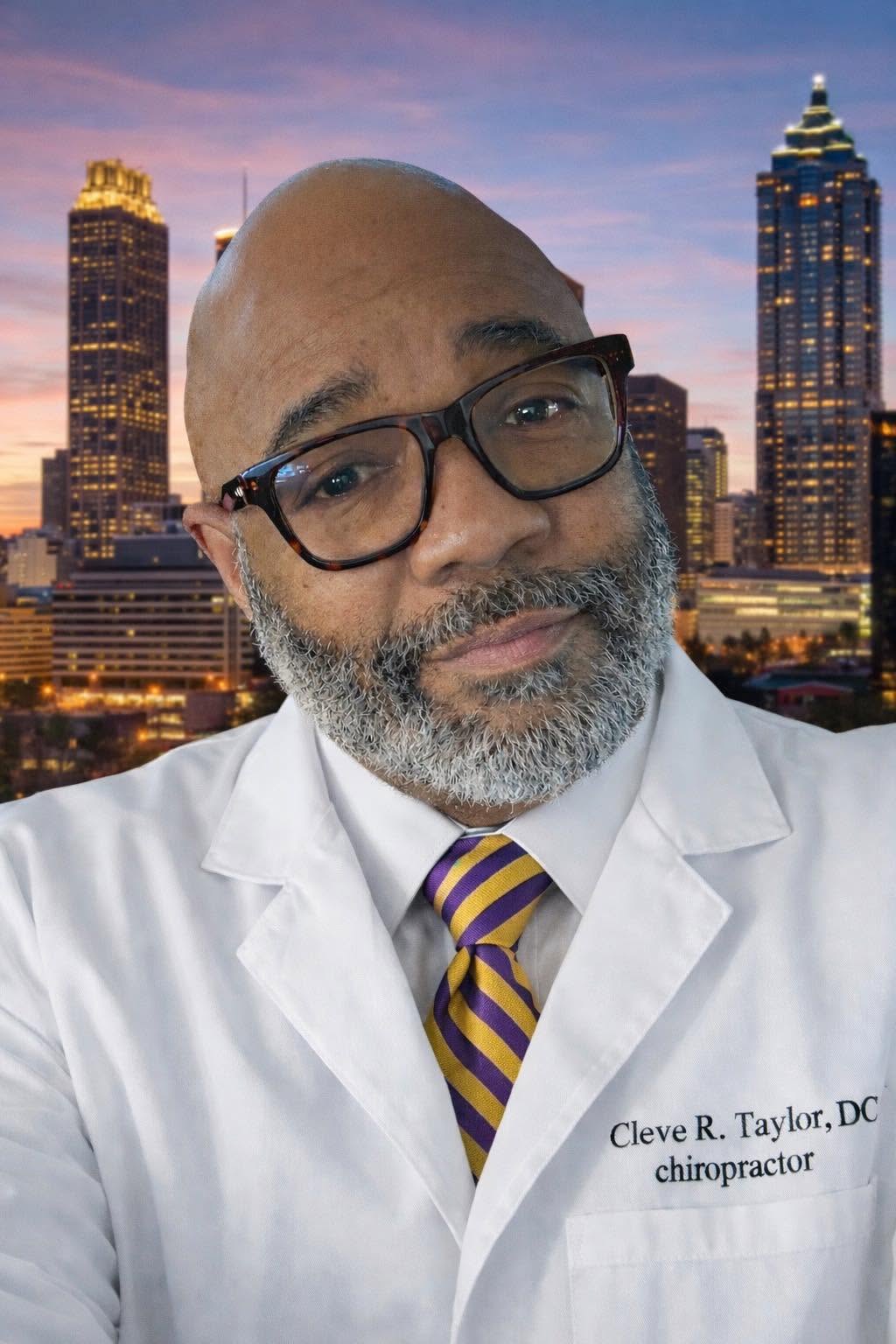
In today’s competitive healthcare landscape, success requires far more than clinical expertise—it demands vision, leadership, adaptability, and an unwavering commitment to serving others. For Dr. Cleve R. Taylor, founder of Fidelity Health Care, building a thriving practice has been rooted in creating meaningful relationships, delivering exceptional patient care, and maintaining a steadfast commitment to excellence. Through strategic growth, community engagement, and a patient-first philosophy, Dr. Taylor has established a respected brand that continues to make a lasting impact throughout Atlanta. In this exclusive conversation, he shares the business principles, challenges, and lessons that have shaped his entrepreneurial journey and fueled the success of Fidelity Health Care.
How have you strategically positioned your practice to thrive in a competitive healthcare marketplace?
I have positioned Fidelity Health Care by staying focused on what we do best: providing quality chiropractic care with a personal touch, especially in the personal injury and auto accident space. In a competitive marketplace, you cannot just be good clinically; you have to be dependable, consistent, accessible, and professional.
My strategy has been to build a practice where patients feel seen, heard, and cared for from the moment they walk in the door. I want every patient to feel like they are treated with dignity, respect, and urgency. Healthcare is constantly evolving, so I continue to adapt through better systems, stronger communication, strategic branding, and meaningful relationships with attorneys, medical providers, and community partners.
What business principles or leadership philosophies have guided your growth and sustainability over the years?
The biggest principle that has guided me is simple: proper planning prevents poor performance. I believe in preparation, consistency, accountability, and customer service. Clinical skill may bring a patient in, but professionalism and trust bring them back.
My leadership philosophy is to lead from the front. I never ask anyone to do something I am not willing to do myself. I believe in showing up early, working hard, treating people with respect, and setting a standard of excellence. A successful practice is built on discipline, not emotion. You must make decisions based on vision, not just pressure.
What were some early challenges you faced when establishing your practice?
One of the biggest lessons I learned early on was that talent alone is not enough. You can be an excellent doctor, but if you do not understand business, systems, cash flow, marketing, and people management, you will struggle.
I had to learn how to take calculated risks and invest in the right areas—location, branding, equipment, staff, relationships, and technology. Those experiences taught me to become more strategic in my decision-making. Today, every move is evaluated through the lens of whether it supports the long-term vision of Fidelity Health Care. I trust my experience, but I remain humble enough to continue learning.
How have you cultivated a distinct identity for your practice?
Branding has played a major role in the growth of Fidelity Health Care. I wanted our brand to represent professionalism, compassion, confidence, and excellence. Our practice is more than a place where patients receive treatment; it is a place where people come to restore their health, regain their confidence, and sometimes even rebuild their hope.
The identity of Fidelity Health Care is built around personal care, personal injury, and personal attention. Our message is simple: we put a personal touch on personal injury. Patients may forget what you said, but they never forget how you made them feel. They remember whether you listened, cared, and fought to help them heal.
How have you leveraged partnerships and community engagement?
Relationships are everything in business. I have built Fidelity Health Care by developing strong connections with attorneys, medical providers, patients, community leaders, fraternity brothers, family members, and referral partners.
I firmly believe that no healthcare practice can thrive in isolation. You have to be visible, engaged, and committed to serving others. Community involvement has allowed people to see Fidelity Health Care not simply as a clinic, but as a trusted community resource.
Strategic partnerships have helped expand our reach, but those relationships must be built on trust. People refer clients when they know you will provide exceptional care, communicate professionally, and operate with integrity.
What lessons have you learned about financial literacy and long-term stability?
One of the most important lessons I have learned is that revenue is not the same as profit. Just because money is coming into the business does not mean the business is healthy. You must understand expenses, payroll, billing, collections, taxes, cash flow, and reinvestment.
In healthcare—especially in the personal injury sector—you have to be disciplined because payment timelines are often unpredictable. Long-term stability comes from strong systems, smart financial decisions, consistent collections, strategic investments, and understanding your numbers at all times.
What advice would you offer to chiropractors or healthcare providers seeking to become business owners?
My advice is simple: understand that being a skilled healthcare provider is only one part of the equation. You must also learn business, leadership, finance, marketing, staffing, communication, and relationship-building.
Do not pursue ownership solely because you want freedom. Entrepreneurship comes with tremendous responsibility. It requires sacrifice, long hours, difficult decisions, and the ability to persevere through challenges.
Most importantly, build your reputation on integrity. Treat patients with respect, maintain proper documentation, cultivate meaningful relationships, and always know your numbers. When your purpose extends beyond making money, it will sustain you through every season of business.
Beyond financial growth, what does success mean to you?
Success is about far more than money. To me, success means impact. It means helping people return to work, reconnect with their families, and reclaim their quality of life. It means building a practice that stands for excellence, service, and integrity.
Success also means legacy. I want my family, my patients, my community, and everyone who believed in me to know that I made the most of the opportunities God placed before me. I measure success by the lives I have touched, the trust I have earned, and the example I have set. At the end of the day, I want people to say that Dr. Taylor cared, Dr. Taylor showed up, and Fidelity Health Care made a difference.
Social Media

About The Author