
By Staff
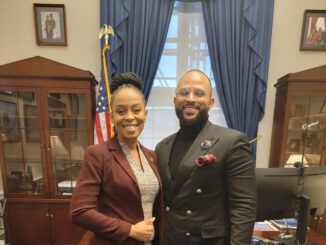
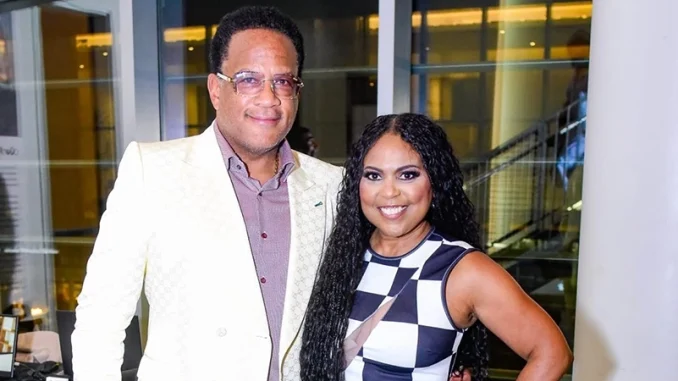
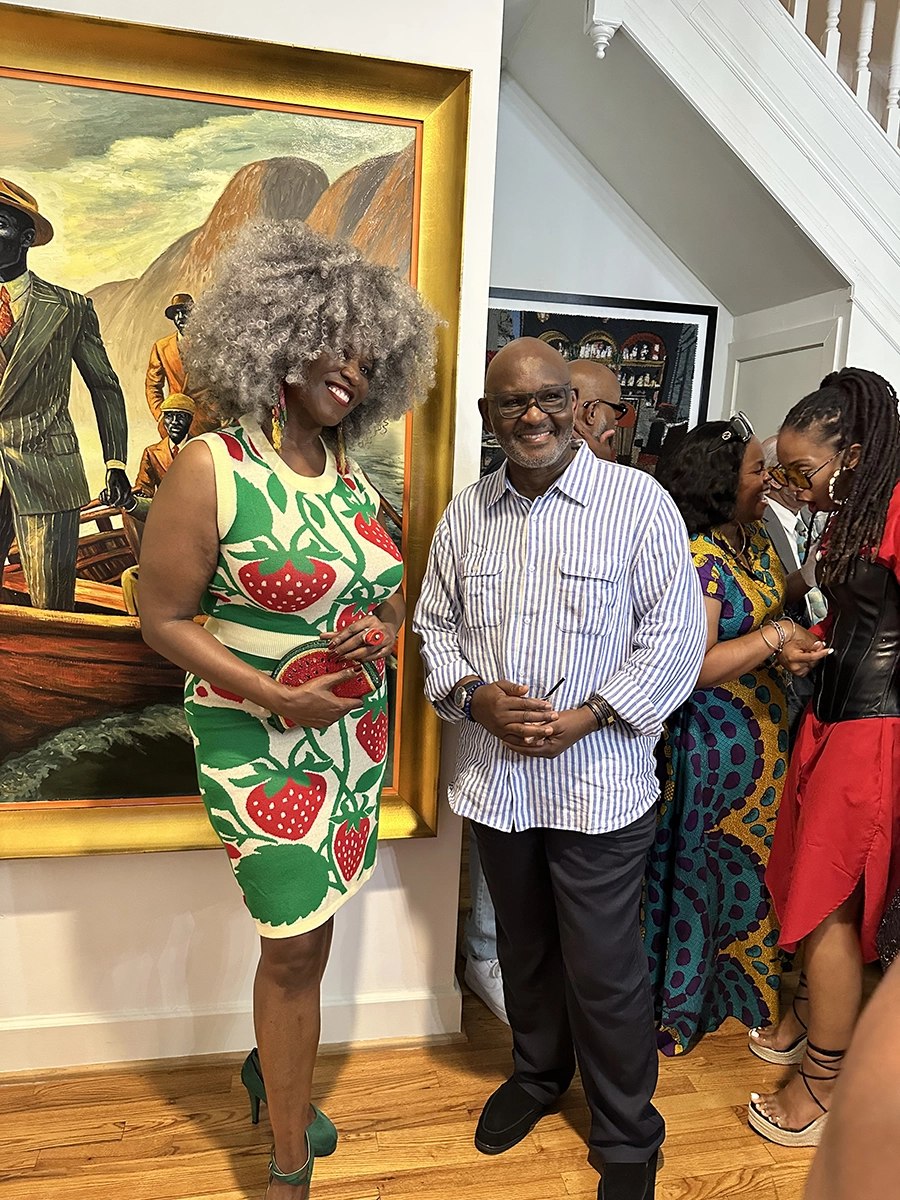
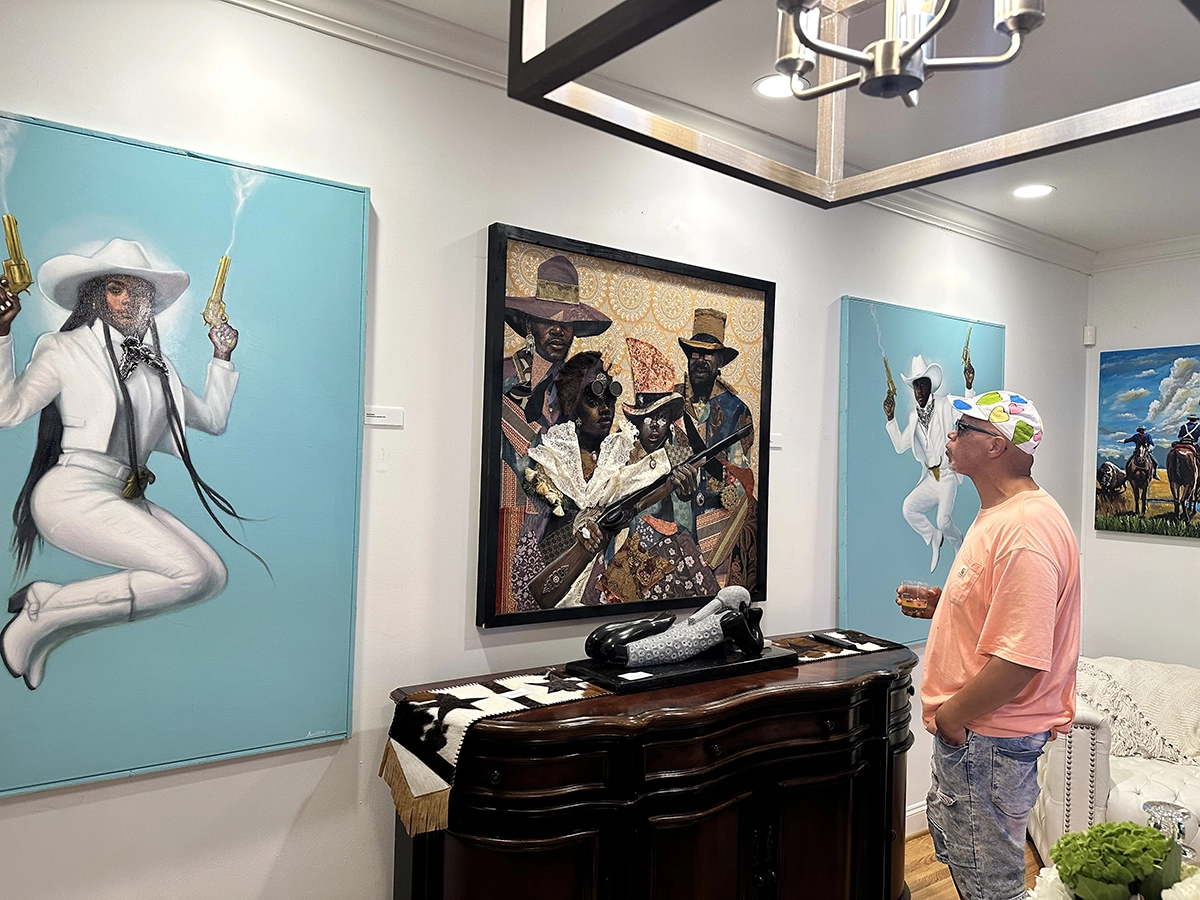
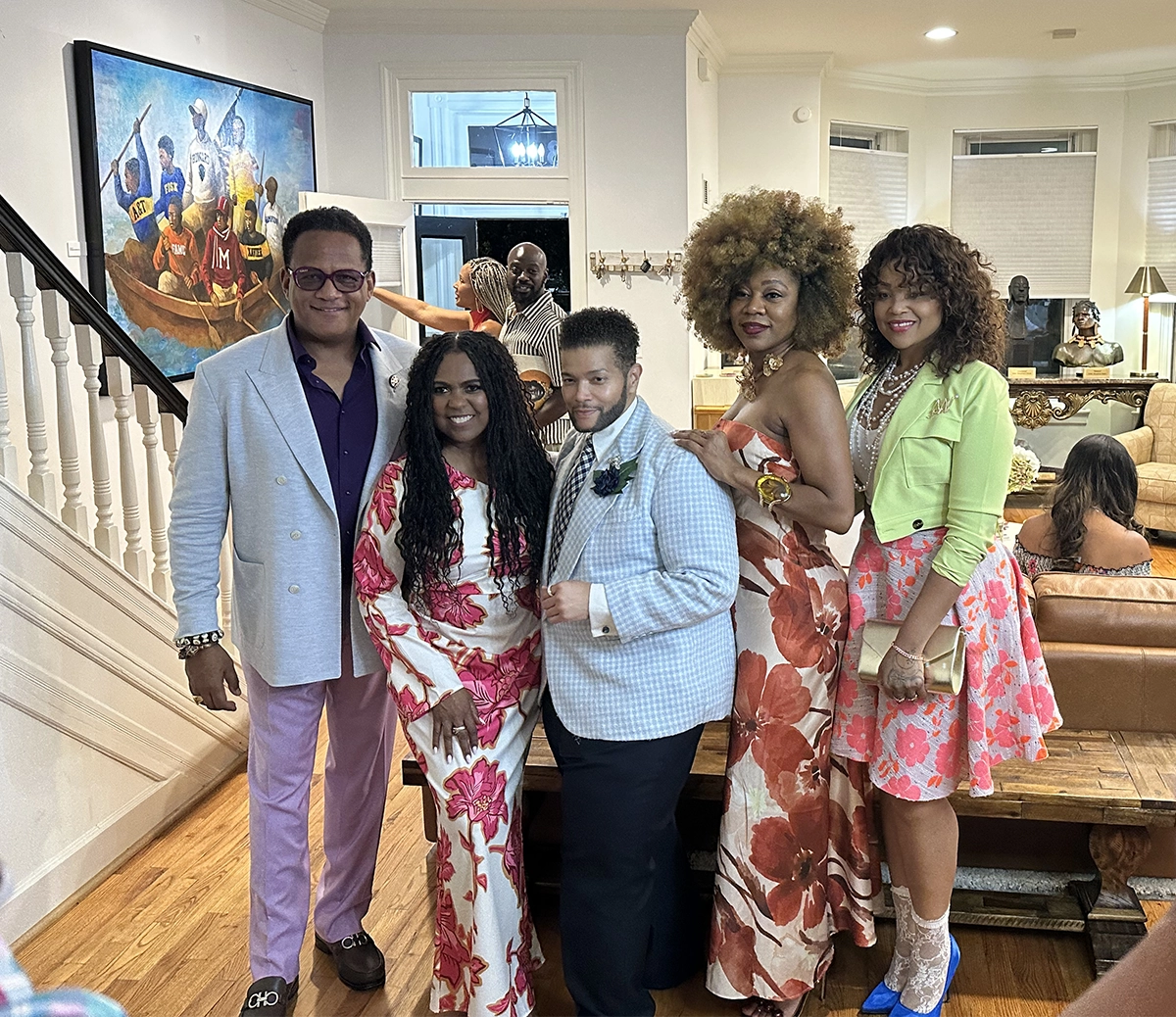
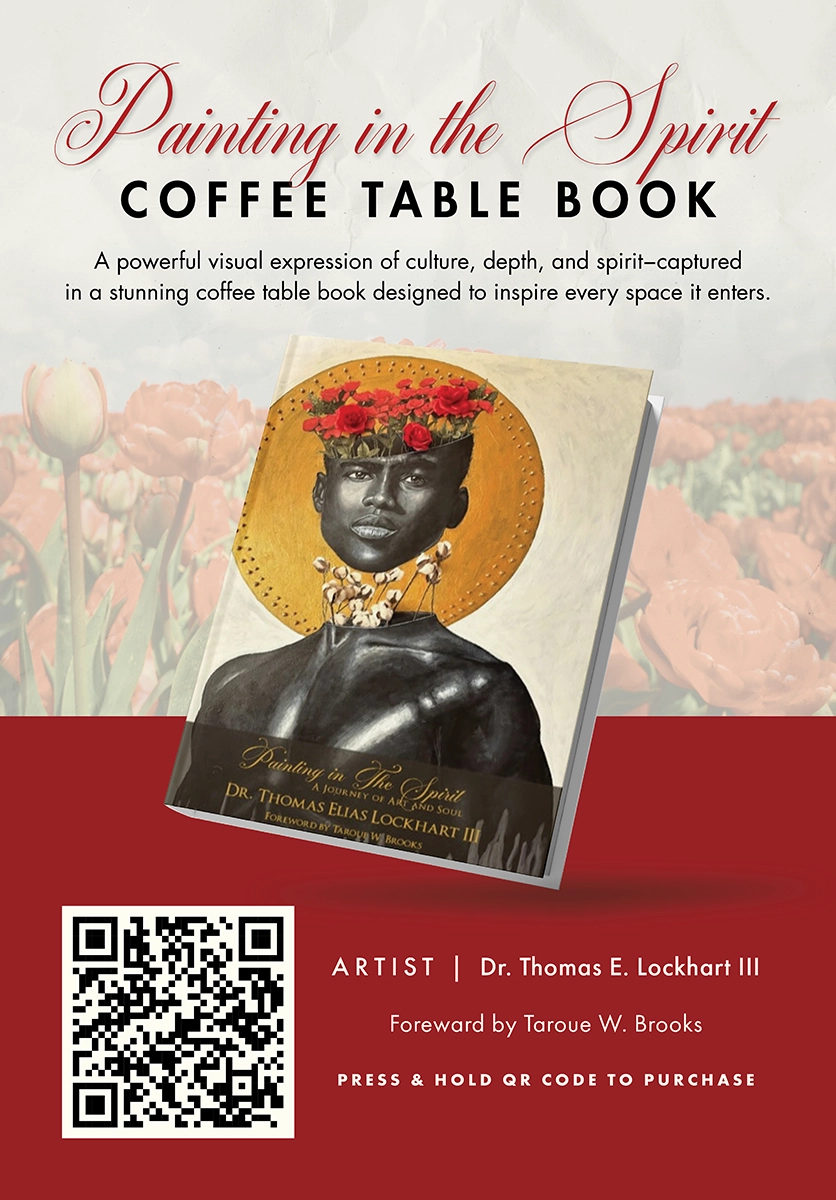
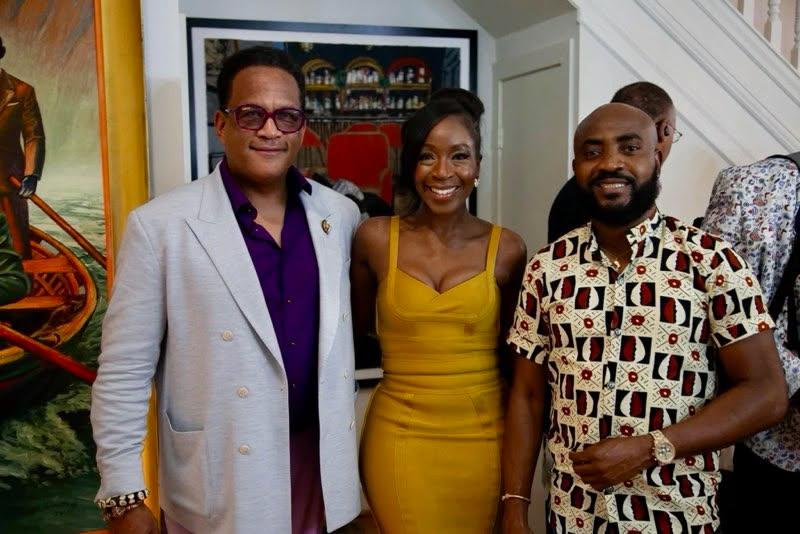
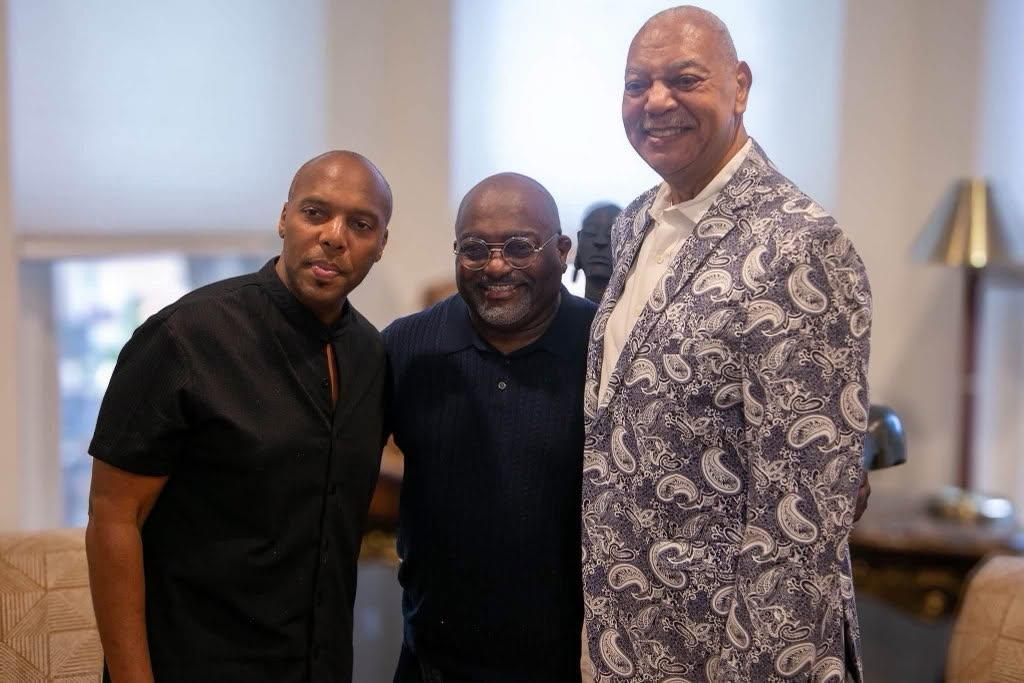
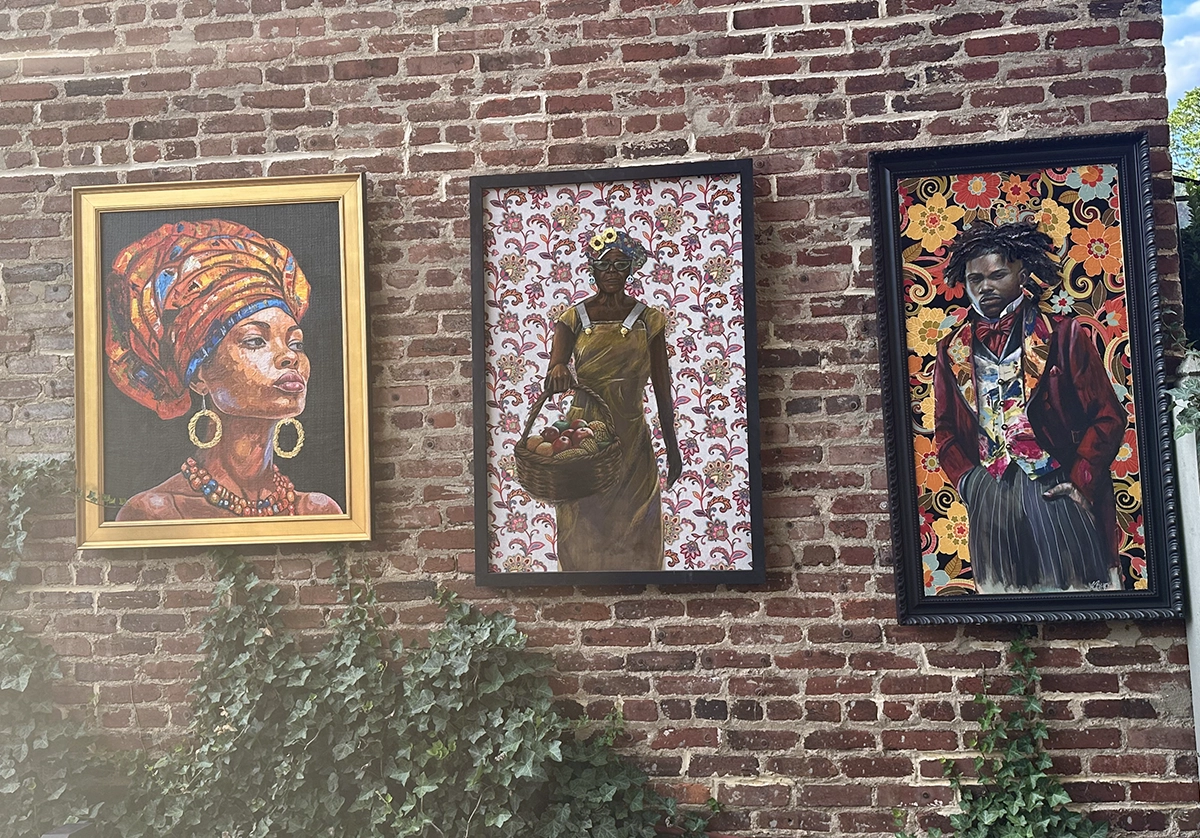
There are art collectors, and then there are cultural stewards. Herb and Felicia Gray have transformed their Washington, D.C. home into far more than a private gallery—it has become a welcoming sanctuary where art, history, and community converge. Through thoughtfully curated gatherings, they have created an environment where collectors, artists, gallery owners, and cultural enthusiasts engage in meaningful dialogue, celebrate African American artistic excellence, and build lasting relationships. Their recent event, featuring acclaimed artist Dr. Thomas E. Lockhart III and the book signing for Painting in the Spirit, exemplified their unwavering commitment to preserving culture while inspiring the next generation of collectors and advocates.
Herb and Felicia, what inspired you to open your home and transform your personal art collection into a space for community, conversation, and cultural appreciation?
Our vision has always extended beyond collecting art for ourselves. We believe it is important to create a platform where people can engage in meaningful conversations about the cultural significance of African American art and its enduring impact on society. By opening our home, we have cultivated an intimate environment where artists, collectors, gallery owners, and art enthusiasts can connect, exchange ideas, and strengthen relationships that enrich both the artistic community and the culture as a whole.

Your collection reflects a deep commitment to African American art. What philosophy guides your collecting, and how has it evolved over the years?
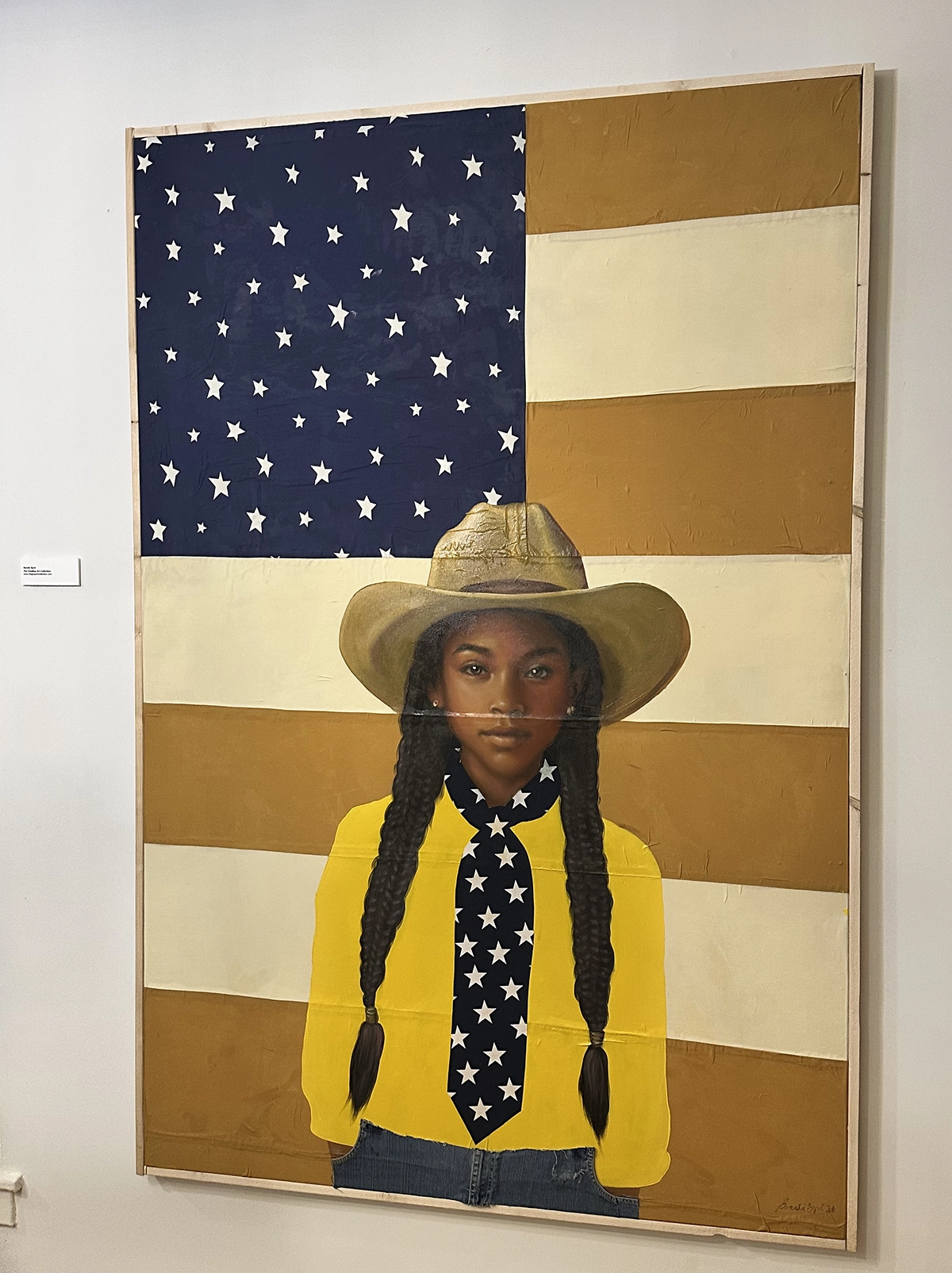
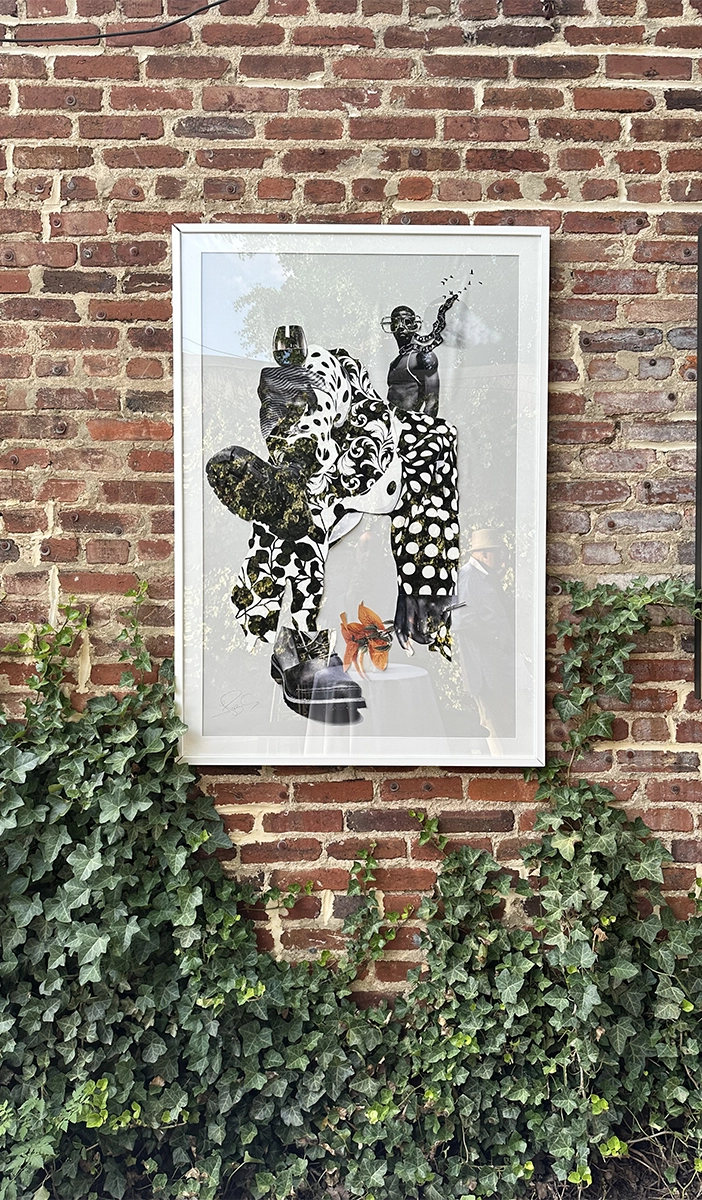
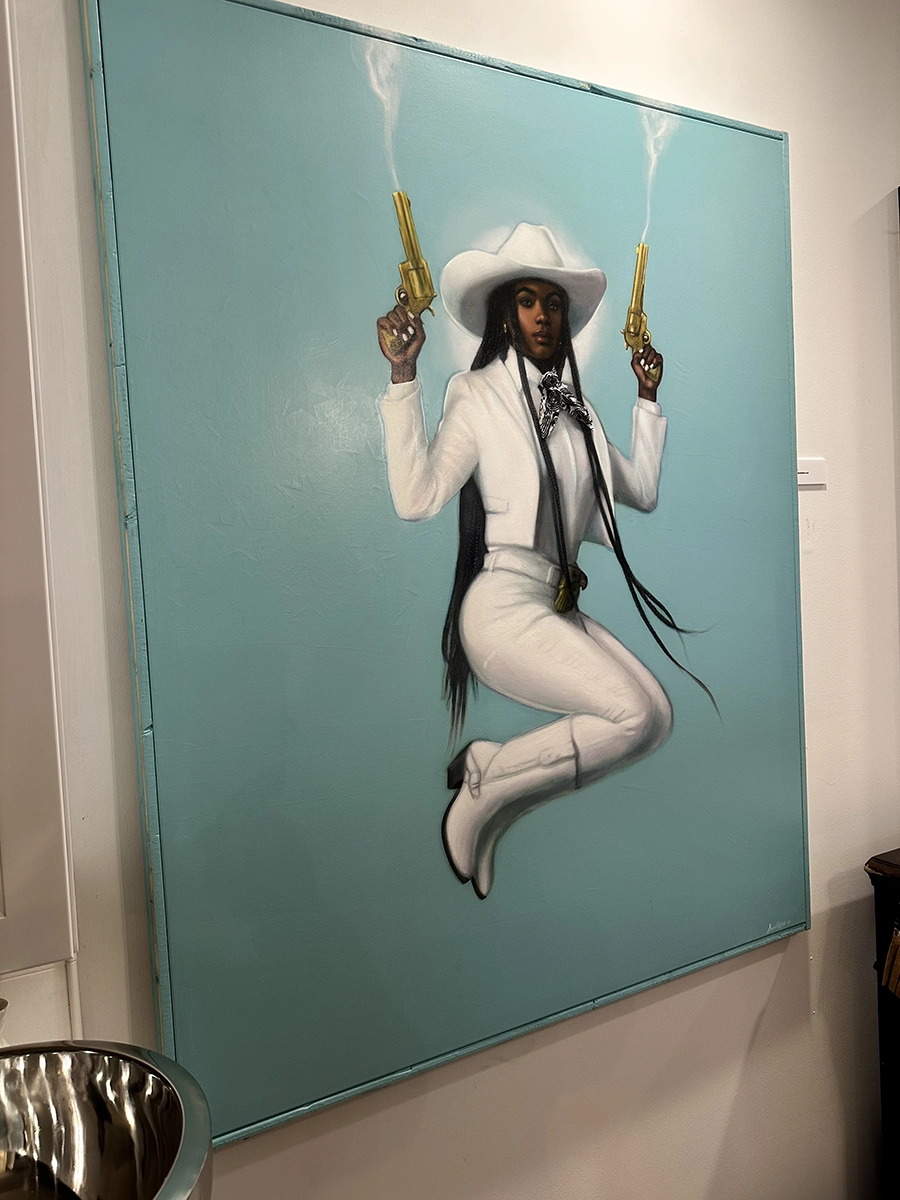
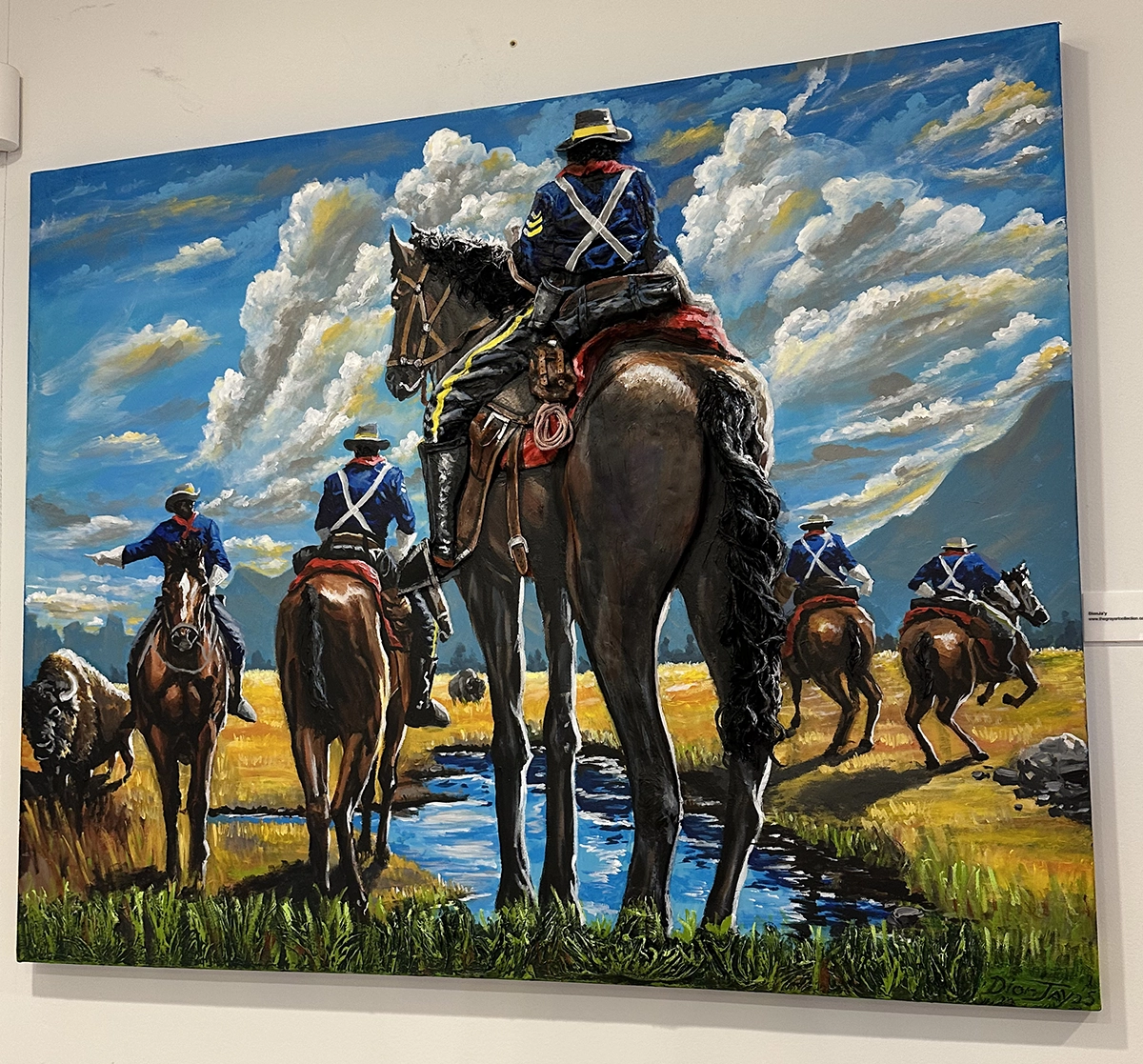
Our collecting philosophy is rooted in acquiring works that move us emotionally, challenge us intellectually, and celebrate the richness of the African American experience. We are drawn to pieces that are culturally significant and provoke thoughtful conversations among our daughter, family, friends, and colleagues. As our collection has grown, we have intentionally expanded it to include artists from across the African continent, allowing us to tell a broader and more interconnected story of the African diaspora.
Hosting an art gathering in your home creates a far more intimate experience than a traditional gallery. What do you hope guests take away from experiencing the artwork in such a personal setting?
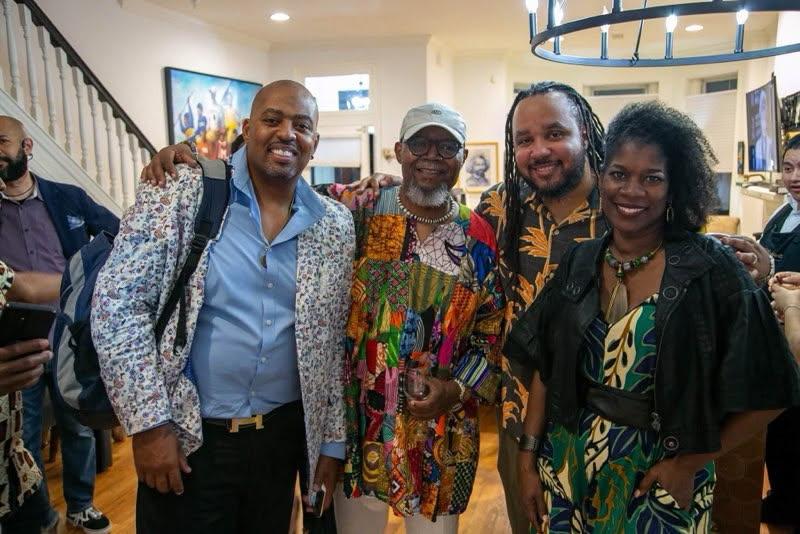
We hope every guest leaves with a memorable experience—not only through the artwork but also through the meaningful connections they make. Whether someone has decades of experience collecting art or is just beginning their journey, our goal is to create an atmosphere where conversations flourish, relationships are formed, and a shared appreciation for African American art continues to grow.
The evening also featured a book signing for Painting in the Spirit. Why was it important for you to include the book as part of the event, and how did it complement the overall experience?
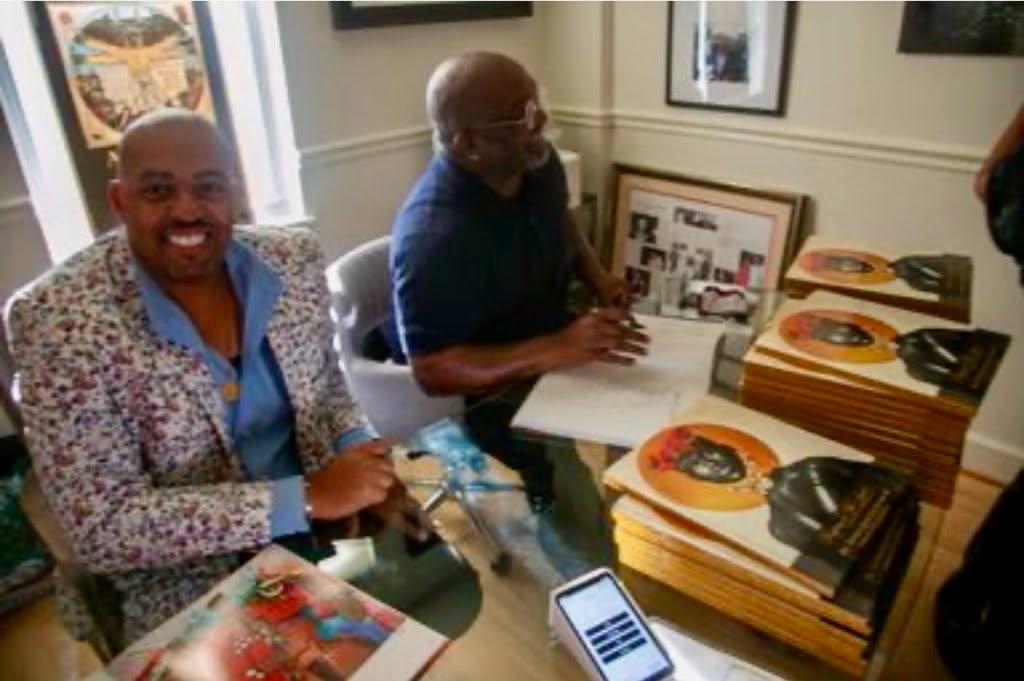
This marked the first time we hosted an artist book signing as part of one of our events, making the evening especially memorable. Dr. Thomas E. Lockhart III is not only a gifted artist whose work is represented in our collection, but he is also a valued friend. His engaging personality and remarkable artistic journey resonated with our guests, making Painting in the Spirit a natural complement to the evening. Visitors thoroughly enjoyed meeting him, learning about his creative process, and taking home a signed copy of the book.
Many collectors view art as an investment, while others see it as a responsibility to preserve history. How do you define your role as collectors and stewards of African American artistic excellence?
Many of the works we acquire celebrate individuals whose lives and achievements have shaped our culture and history. While financial value is certainly a consideration for many collectors, we define our greatest return on investment by the impact our collection has on uplifting our culture. We are equally committed to supporting artists, gallery owners, and arts professionals whose work ensures these important stories continue to be told for generations to come.
One of the most inspiring aspects of this event was seeing people travel from Baltimore, Maryland, to Richmond, Virginia, to gather in our Washington, D.C. home. Watching guests meet one another, exchange ideas, and cultivate new relationships reaffirmed the power of art to unite communities.
In your view, what role should private collectors play in supporting living African American artists and ensuring their work receives the recognition it deserves?
For us, collecting extends far beyond purchasing artwork. We strive to build authentic, lasting relationships with the artists whose work we admire. Whether serving as supporters, advisors, friends, or mentors, we believe collectors have a responsibility to invest in artists personally as well as financially. Those relationships can create opportunities that elevate artists’ visibility and help ensure they receive the recognition their talent deserves.
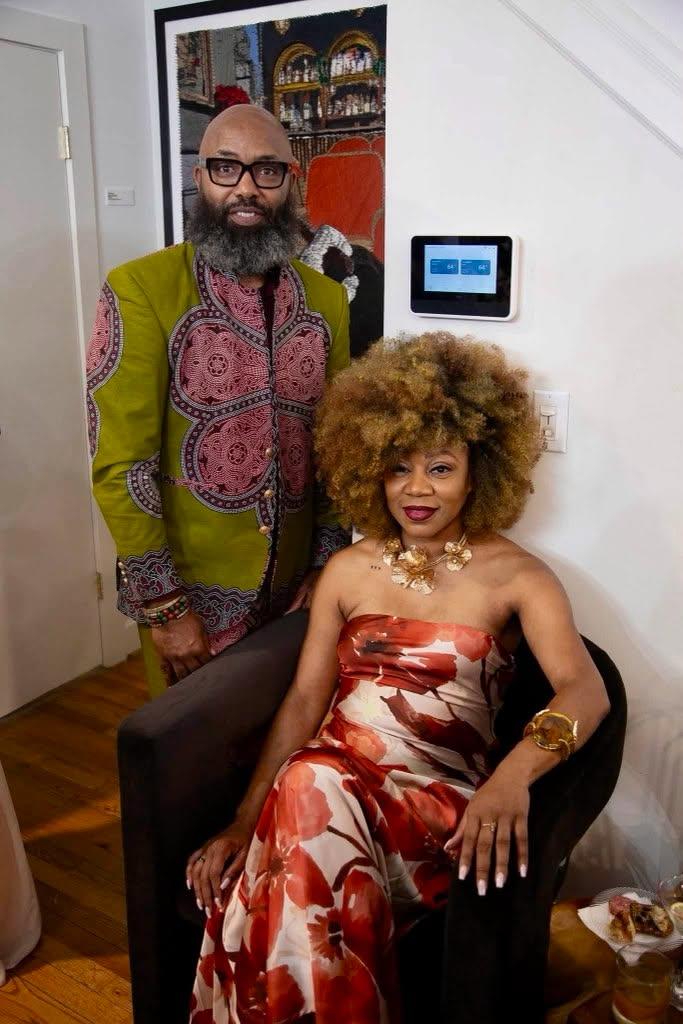
As you continue building both your collection and your impact, what legacy do you hope Herb and Felicia Gray leave for future generations of collectors, artists, and cultural advocates?
Our greatest hope is to be remembered as positive and influential advocates for African and African American art. We want our efforts to inspire others to learn, collect, preserve, and celebrate these extraordinary works. If the people we have influenced go on to educate and inspire others about the importance of our artistic and cultural heritage, then we will have created a legacy that extends far beyond our own collection. :::
This version has the sophistication and editorial polish expected in publications such as Monarch Magazine or Heart & Soul Magazine, while emphasizing the Grays’ role as cultural leaders rather than simply art collectors.
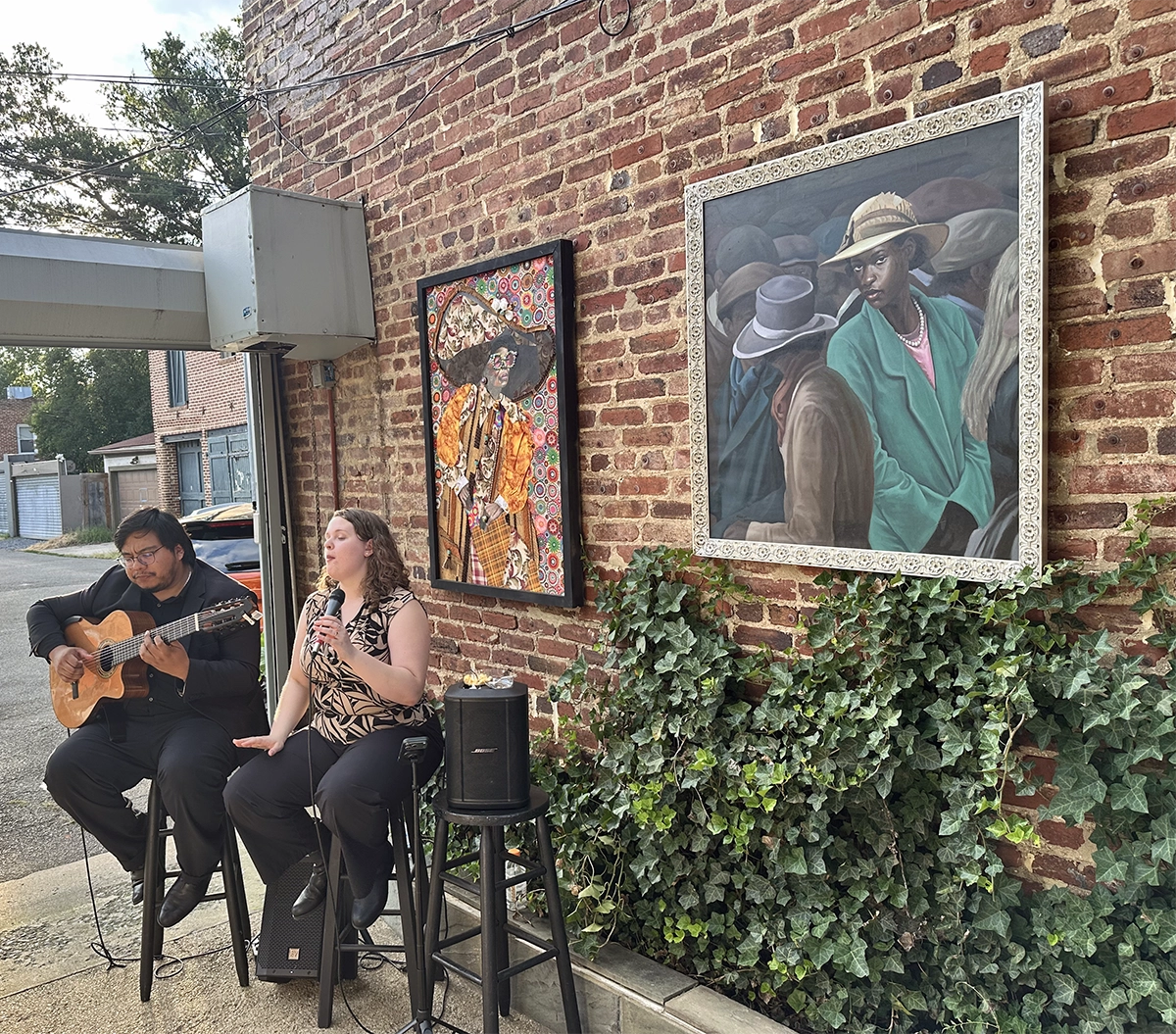
We believe art is more than a visual experience—it’s a narrative that shapes how we see the world. Our carefully curated collection reflects the intricate tapestry of our lives, celebrating the present moment, honoring the richness of our cultural past, and inspiring a visionary future.
About The Author