
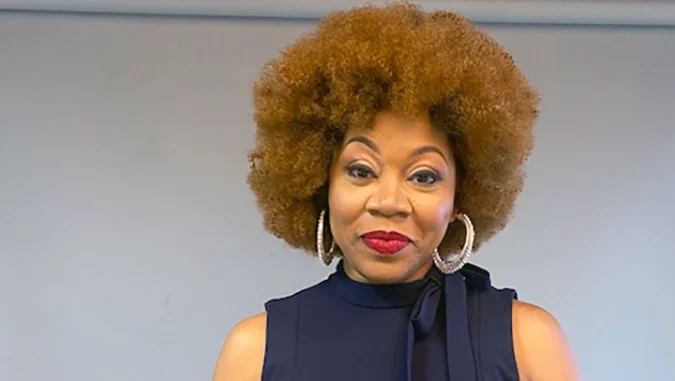

Your new book, Culturally Relevant Teaching for Learning and Success, challenges the notion that education is culturally neutral. What inspired you to write this book, and what conversations do you hope it sparks among educators, administrators, and policymakers?
One of the greatest misconceptions, I think, in education is the belief that teaching is culturally neutral. Every decision we make, from the curriculum we adopt, to the examples we use, to how we define achievement and assess learning, is influenced by culture, values, and lived experiences. When we pretend education is neutral, we unintentionally privilege some perspectives while marginalizing others.
I wrote Culturally Relevant Teaching for Learning and Success because I wanted to move the conversation beyond diversity as a buzzword and toward a deeper examination of how culture influences teaching, learning, relationships, and student outcomes. Throughout my career as a teacher, school leader, higher education administrator, and researcher, I have witnessed brilliant students disengage not because they lacked ability, but because they were rarely seen, affirmed, or challenged in ways that connected to who they were and how they experienced the world. Likewise, I have worked with extraordinary educators who genuinely wanted every student to succeed but had never been given the tools to examine how culture shapes their own instructional practices.
This book is an invitation, not an indictment. It encourages educators to reflect on their beliefs, instructional choices, and relationships with students while providing practical strategies grounded in research. My hope is readers recognize culturally relevant teaching is not about lowering standards or abandoning academic rigor. It is about increasing rigor by making learning more meaningful, engaging, and accessible for every student.
I also hope the book broadens the conversation among administrators and policymakers. Educational equity cannot rest solely on the shoulders of classroom teachers. Leaders shape school culture, professional learning, policies, hiring practices, and resource allocation. If we truly want to close opportunity gaps and improve student success, culturally relevant teaching must become part of the educational infrastructure rather than an isolated classroom practice.
Ultimately, I hope this book sparks courageous conversations; conversations about identity, belonging, instructional excellence, systemic barriers, and what it truly means to prepare all students to thrive in an increasingly diverse and interconnected world. My goal is not simply to inspire reflection, but to encourage action that transforms both classrooms and educational systems.
Throughout your career, you’ve served in K-12 education, higher education, and executive leadership. How have those diverse experiences shaped your understanding of what students truly need in order to thrive academically and personally?
Serving across K12 education, higher education, and executive leadership has given me a unique (lens) vantage point. I’ve had the opportunity to see education from nearly every angle, a classroom teacher, dean, district leader, professor, student affairs administrator, and executive. What has become abundantly clear is while policies, campuses, and age groups may differ, students’ fundamental needs remain remarkably consistent.
Students need to be seen before they can truly succeed. They need to know they belong, someone believes in their potential, and their identities, cultures, and lived experiences are viewed as assets rather than obstacles. Academic success is rarely just about intellect. It is deeply connected to relationships, psychological safety, high expectations, and access to meaningful opportunities.
Working in K12 taught me learning begins long before students enter the classroom. Family dynamics, community context, trauma, socioeconomic realities, and identity all influence how students engage with education. My work in higher education reinforced these factors do not disappear when students graduate from high school. First-generation college students, adult learners, veterans, and students from historically marginalized communities often continue navigating systems that were not originally designed with their experiences in mind.
My leadership roles have also shown student success cannot depend solely on exceptional teachers. It requires institutions to intentionally align their policies, practices, and culture around student learning and belonging. The most successful organizations create environments where faculty, staff, and administrators share responsibility for student success rather than viewing it as someone else’s job.
Perhaps the greatest lesson I’ve learned is excellence and equity are not competing priorities—they are inseparable. Holding high expectations while providing meaningful support allows students to exceed even their own expectations. When educators understand who their students are, challenge them intellectually, and build authentic relationships, students are more likely to persist, achieve, and ultimately transform their own lives.
That understanding has shaped not only my leadership philosophy but also every chapter of Culturally Relevant Teaching for Learning and Success. My hope is readers leave with a broader definition of teaching—one that education is not simply the transfer of information, but also cultivating of human potential.
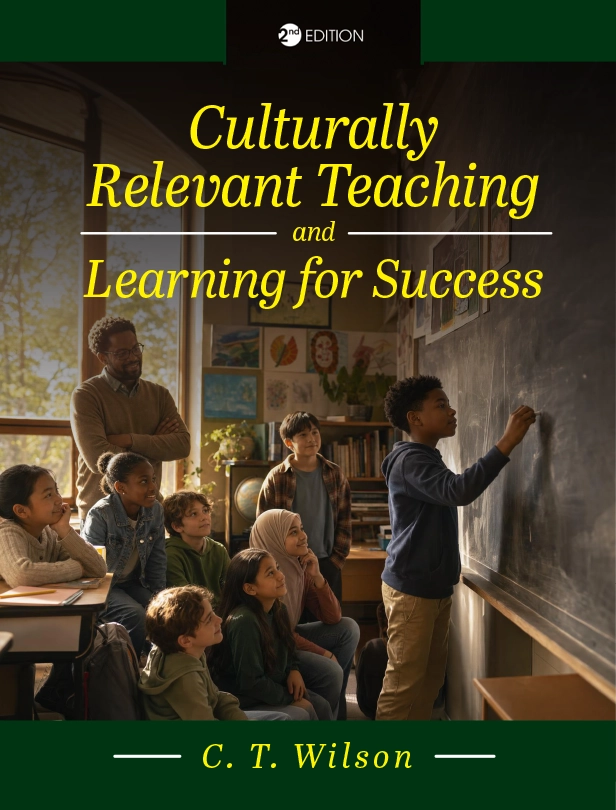
One of the central themes of your book is that every classroom decision communicates whose voices and experiences are valued. How can educators begin creating learning environments where every student feels genuinely seen, respected, and empowered to succeed?
Every classroom is constantly sending messages to students. The question is whether those messages communicate, “You belong here,” or “You have to become someone else to succeed here.” Students are incredibly perceptive. They notice whose stories are included in the curriculum, whose voices are encouraged during discussions, whose mistakes are treated as learning opportunities, and whose contributions are consistently overlooked. Those daily experiences shape not only academic performance but also students’ sense of identity and possibility.
Creating an environment where every student feels genuinely seen begins with relationships. Before students can fully engage in learning, they need to know their teacher is genuinely interested in who they are ranging from their aspirations, strengths, communities, and the experiences they bring into the classroom. When educators build authentic relationships, they create trust, and trust becomes the foundation for rigorous learning.
The second step is shifting from a deficit mindset to an asset-based perspective. Too often, we focus on what students lack instead of recognizing the knowledge, resilience, multilingualism, creativity, and cultural wealth they already possess. Every student enters the classroom with valuable experiences that can enrich learning, not just for themselves, but for their classmates as well.
Creating inclusive learning environments also requires intentionality. It means examining the curriculum, instructional practices, assessments, classroom norms, and even discipline approaches to ensure they invite participation from all students. Inclusion is not achieved through a single multicultural lesson or celebration month. It is reflected in the everyday decisions educators make about whose ideas are explored, whose perspectives are affirmed, and whose brilliance is cultivated.
Finally, empowerment comes from combining high expectations with meaningful support. Students do not need lowered standards, they need educators who believe they are capable of meeting high standards and who provide the guidance, encouragement, and opportunities necessary to reach them. When students feel respected, challenged, and valued, they begin to see themselves not just as learners, but as contributors, leaders, and creators of knowledge.
Ultimately, culturally relevant teaching is about humanizing education. When students are seen, heard, respected, and challenged, they don’t simply perform better academically—they develop the confidence and agency to succeed far beyond the classroom.
Your work emphasizes moving beyond diversity initiatives toward lasting institutional transformation. What are some of the biggest misconceptions schools have about equity, inclusion, and culturally relevant teaching, and how can they move beyond performative efforts?
One of the biggest misconceptions is equity, inclusion, and culturally relevant teaching are separate initiatives rather than essential components of educational excellence. Too often, schools approach them as programs to implement, committees to establish, or professional development sessions to complete. In reality, each of these are leadership commitments that should influence every aspect of how an institution teaches, supports, and develops students.
Another misconception is that culturally relevant teaching means lowering academic standards or focusing only on race. That couldn’t be further from the truth. Culturally relevant teaching is about maintaining high expectations while recognizing that students learn best when instruction is connected to their experiences, identities, and ways of making meaning. It is about expanding opportunity, not reducing rigor.
I also believe schools sometimes mistake representation for transformation. Celebrating heritage months, diversifying reading lists, or displaying inclusive imagery are valuable, but they are only the beginning. The more important questions are: Who has access to advanced learning opportunities? Whose voices influence decision-making? Which students are thriving, and which continue to face barriers? If those questions remain unanswered, the work has not yet become systemic.
Moving beyond performative efforts requires institutions to build cultures of continuous reflection and accountability. Leaders must be willing to examine policies, instructional practices, hiring decisions, disciplinary systems, and professional learning through the lens of student success. They should regularly ask, “Are our systems producing the outcomes we say we value?” If the answer is no, then the systems—not the students—deserve our attention.
Perhaps most importantly, culturally relevant teaching is not about making every student comfortable all the time. Growth often requires intellectual challenge, productive discomfort, and exposure to perspectives different from our own. The goal is not comfort; the goal is belonging. Students should know they are respected, valued, and capable of excellence, even as they are challenged to think critically, engage with complexity, and broaden their understanding of the world.
Ultimately, lasting institutional transformation happens when equity and inclusion are no longer viewed as initiatives that sit alongside teaching and learning, but as principles woven into the fabric of the institution. When that happens, culturally relevant teaching is no longer something educators do, it becomes part of who the institution is. These components together are the plate —- holding everything else important to teaching and learning. That is when meaningful, sustainable change begins.
You’ve led major initiatives in restorative practices, trauma-informed education, student engagement, and leadership development. How have these approaches changed the way schools build relationships, resolve conflict, and support student success?
The Glows
- Demonstrates credibility. It positions you as someone who has implemented change, not just written about it.
- Highlights leadership. It moves beyond classroom teaching and shows experience influencing institutional culture.
- Shows breadth. Restorative practices, trauma-informed education, student engagement, and leadership development are interconnected and illustrate a systems perspective.
- Appeals to multiple audiences. Teachers hear classroom application, administrators hear organizational change, and policymakers hear systemic reform.
- Allows you to distinguish yourself. Many people can discuss culturally relevant teaching; fewer have led institutional initiatives that connect behavior, belonging, leadership, and student success.
The Grows (areas of concern)
- It combines four major topics. Restorative practices, trauma-informed education, student engagement, and leadership development could each be an interview by themselves. Trying to answer all four equally may produce a response that feels broad rather than memorable.
- It can invite political assumptions. Restorative practices and trauma-informed education have become politicized in some circles. If you spend too much time defending them, you lose the opportunity to discuss what actually works.
- It focuses on methods rather than outcomes. Audiences often care less about the names of initiatives and more about the results they produce.
Across every leadership role I’ve held, one lesson has remained constant: sustainable student success is built on relationships. Policies matter. Curriculum matters. Accountability matters. But people are far more likely to learn, grow, and change when they feel connected to the community around them.
That’s why restorative practices, trauma-informed education, student engagement, and leadership development are so powerful. While each has a different focus, they all begin with the same belief—that every student deserves to be treated with dignity while also being held to high expectations.
One misconception is that these approaches eliminate accountability. In fact, the opposite is true. Restorative practices ask students to take responsibility for their actions, understand how their behavior affected others, and actively participate in repairing harm. Trauma-informed education doesn’t excuse inappropriate behavior; it helps educators ask a better question. Instead of immediately asking, “What’s wrong with this student?” we also ask, “What might this student be carrying?” That shift allows us to respond more effectively while maintaining clear expectations.
I’ve also learned student engagement isn’t created through activities alone. Students become engaged when they believe their voices matter, when they experience meaningful relationships with adults, and when they see themselves as valued contributors to their learning community. Leadership development extends that philosophy by helping students recognize their own capacity to influence others, solve problems, and make positive contributions.
At the institutional level, these approaches transform school culture. Schools move from reacting to problems toward building environments where trust, responsibility, and belonging become the norm. Conflict becomes an opportunity for learning rather than simply punishment. Educators become more collaborative. Students become more invested. And communities become stronger because relationships are intentionally cultivated rather than left to chance.
Ultimately, none of these approaches are about being permissive or lowering expectations. They are about creating schools where accountability and compassion work together. In my experience, when students know they are respected, challenged, and supported, they are more likely to persist academically, develop resilience, and become leaders in their classrooms and communities.
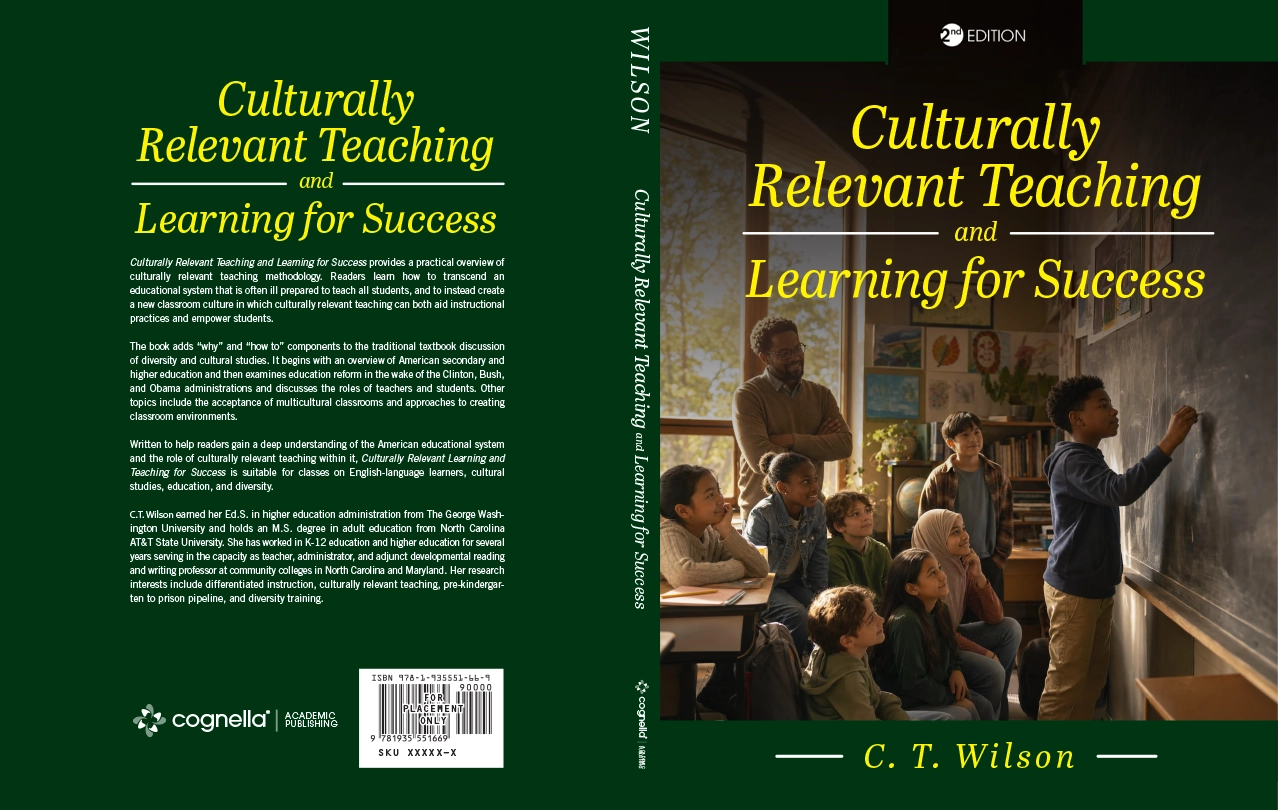
Throughout my career, I’ve learned that no single educational approach is a silver bullet. Restorative practices, trauma-informed education, student engagement, and leadership development each offer tremendous promise, but they also have limitations if they are misunderstood or implemented superficially. The key is knowing both their strengths and their boundaries.
The upside is significant. Restorative practices help schools move beyond punishment by teaching students accountability, empathy, and how to repair harm. Trauma-informed education reminds us behavior often has context and encourages educators to respond thoughtfully rather than react impulsively. Student engagement fosters belonging, motivation, and ownership of learning, while leadership development empowers students to see themselves as contributors who can positively influence their schools and communities.
When implemented well, these approaches strengthen relationships, improve school climate, reduce unnecessary conflict, and create environments where students feel both challenged and supported. They help shift schools from asking, “How do we control behavior?” to asking, “How do we cultivate responsibility, resilience, and growth?”
At the same time, there are legitimate concerns when these approaches are misunderstood. Restorative practices can become ineffective if they are viewed as replacing consequences rather than complementing accountability. Trauma-informed education can be misapplied if it becomes an excuse for behavior instead of a framework for understanding behavior while maintaining expectations. Student engagement can become performative if schools simply seek student input without giving students meaningful influence. Even leadership development loses its impact if only a select group of students are given opportunities to lead while others remain on the margins.
The common thread is implementation. These approaches require well-trained educators, consistent leadership, clear expectations, and institutional commitment. Without those elements, even the best ideas can become inconsistent, misunderstood, or reduced to educational buzzwords.
My philosophy has always been that accountability and compassion are not competing values, they strengthen one another. Schools should absolutely maintain high expectations, address misconduct, and uphold standards. But they should also create environments where students understand why expectations exist, have opportunities to learn from mistakes, and know there are adults committed to their success.
Ultimately, these approaches are not about being permissive or avoiding difficult conversations. They are about creating educational communities where relationships are strong enough to support learning, conflict is addressed in ways that promote growth, and every student is equipped with the skills to thrive both inside and beyond the classroom.
In Culturally Relevant Teaching for Learning and Success, you encourage educators to examine their own beliefs, assumptions, and leadership practices. Why is personal reflection just as important as curriculum reform when it comes to improving educational outcomes?
One of the central messages of Culturally Relevant Teaching for Learning and Success is educational transformation begins with self-transformation. We can revise standards, adopt new curricula, and implement innovative instructional strategies, but if we never examine the beliefs and assumptions shaping our decisions, meaningful change will remain limited.
Every educator enters the classroom with a personal history. We all have experiences, values, cultural backgrounds, and assumptions that influence how we define intelligence, interpret behavior, communicate with students, and determine what success looks like. Most of these influences are unconscious, yet they affect hundreds of decisions educators make every day. Personal reflection helps us become aware of those influences so that our decisions are intentional rather than automatic.
This is not about assigning blame or suggesting that educators have bad intentions. In fact, I believe most educators enter the profession because they genuinely want to make a difference. Reflection is not an exercise in guilt; it is an exercise in professional growth. The most effective educators are lifelong learners who are willing to ask themselves difficult questions: Why do I respond differently to certain students? Whose voices are represented in my classroom? What assumptions might I be making? How can I become more effective for every learner?
Curriculum reform is certainly important, but curriculum alone does not create meaningful learning. Two teachers can teach the exact same lesson using the same materials and produce dramatically different outcomes because relationships, expectations, communication, and instructional choices matter just as much as content. Students experience the curriculum through the educator.
The same is true for leadership. School leaders shape culture through the questions they ask, the behaviors they model, the policies they prioritize, and the expectations they establish. If leaders are not engaging in continuous self-reflection, it becomes difficult to create organizations that are responsive, inclusive, and committed to continuous improvement.
Ultimately, I believe reflection is the bridge between intention and impact. Most educators intend to help students succeed. Reflection helps us determine whether our daily practices actually produce the outcomes we hope to achieve. When educators and leaders are willing to examine themselves with the same curiosity they bring to improving curriculum, they create learning environments where both students and adults continue to grow.
Education is ultimately a human endeavor. Before we transform systems, we must be willing to transform ourselves. That is where lasting change begins.
Your leadership has produced measurable results, including increased student attendance, improved academic performance, and stronger family engagement. Looking back, what accomplishments have been the most personally rewarding, and what lessons have they taught you about transformative leadership?
When I reflect on my career, the most meaningful accomplishments are not the awards, titles, or promotions, they are the moments when people and organizations were transformed in lasting ways. Whether it was increasing student attendance, improving academic performance, strengthening family engagement, reducing conflict through restorative practices, or helping institutions rethink how they support students, the greatest reward has always been seeing people realize possibilities they did not see for themselves.
One accomplishment I am particularly proud of is seeing growth in kids – connecting with students and teaching them they ca do it – one couldn’t read, but did by the end of the year. Another was having problems with writing – but got better. It’s those things I remember and enjoyed about teaching.
I also found joy in helping schools and colleges move from reactive approaches to intentional, student-centered systems. Too often, educational institutions spend their time responding to crises rather than creating environments where students can thrive. Being able to build systems that promote belonging, accountability, collaboration, and student success has been deeply meaningful because those changes continue long after a single initiative ends.
I have also found tremendous fulfillment in developing educators and leaders. Watching a teacher discover a new way to engage students, seeing a faculty member approach conflict with greater confidence and empathy, or mentoring emerging leaders who go on to make an impact in their own communities reminds me that leadership is never about one person. Its true measure is how many others are empowered to lead.
Perhaps the most rewarding moments have come from hearing students share someone finally believed in them. Those conversations reinforce what I have believed throughout my career: relationships are not separate from learning—they are fundamental to it. When students feel seen, respected, challenged, and supported, they often exceed expectations, both academically and personally.
These experiences have taught me transformative leadership is not about having all the answers. It is about creating the conditions where people can discover their own strengths, solve problems collaboratively, and achieve goals they once thought were beyond their reach. It requires listening before leading, building trust before demanding change, and aligning vision with action.
Ultimately, I believe transformative leadership is measured not by the authority you hold, but by the opportunities you create for others. If the people around you become more confident, more capable, more compassionate, and more committed to excellence because of your leadership, then you have done more than lead, you have left a legacy.
As education continues to evolve in an increasingly diverse society, what is your vision for the future of teaching and learning, and what lasting legacy do you hope Culturally Relevant Teaching for Learning and Success leaves for educators and the generations of students they serve?
My vision for the future of education is one where excellence and belonging are no longer viewed as separate goals but as inseparable commitments. As our classrooms become increasingly diverse—not only in culture, but in language, life experiences, learning styles, and aspirations—we must prepare educators who are equally adaptable, reflective, and committed to meeting students where they are while inspiring them to reach beyond where they are.
The future of teaching cannot be about simply delivering information. In a world where artificial intelligence can provide facts in seconds, the role of the educator becomes even more important. Teachers will always be the architects of curiosity, critical thinking, ethical decision-making, creativity, collaboration, and human connection. Those are the skills that technology cannot replace and the qualities that will define successful learners and engaged citizens.
I also believe the future of education requires us to rethink leadership. Educational leaders must move beyond managing schools to cultivating environments of learning, for students, educators, and communities alike. They must be willing to ask difficult questions, embrace innovation, and create systems where every student has both the opportunity and the support to excel. The schools that thrive will be those that remain committed to continuous learning rather than simply preserving traditional ways of doing things. I also want people to plan better – understand catastrophic events occur – and we need to be ready for them.
As for the legacy of Culturally Relevant Teaching for Learning and Success, I hope it becomes more than a book—I hope it becomes a catalyst for reflection, conversation, and action. If educators close the book with a deeper understanding of themselves, a renewed commitment to their students, and practical strategies they can immediately apply, then it will have accomplished its purpose.
But my greatest hope extends beyond educators. I hope the students whose lives are touched by these educators feel seen, respected, challenged, and inspired. I hope they experience classrooms where their identities are affirmed, their voices matter, and their potential is never underestimated. If generations of students leave school believing they belong, that they can think critically, contribute meaningfully, and lead with courage and compassion, then the ripple effects will extend far beyond any single classroom or school.
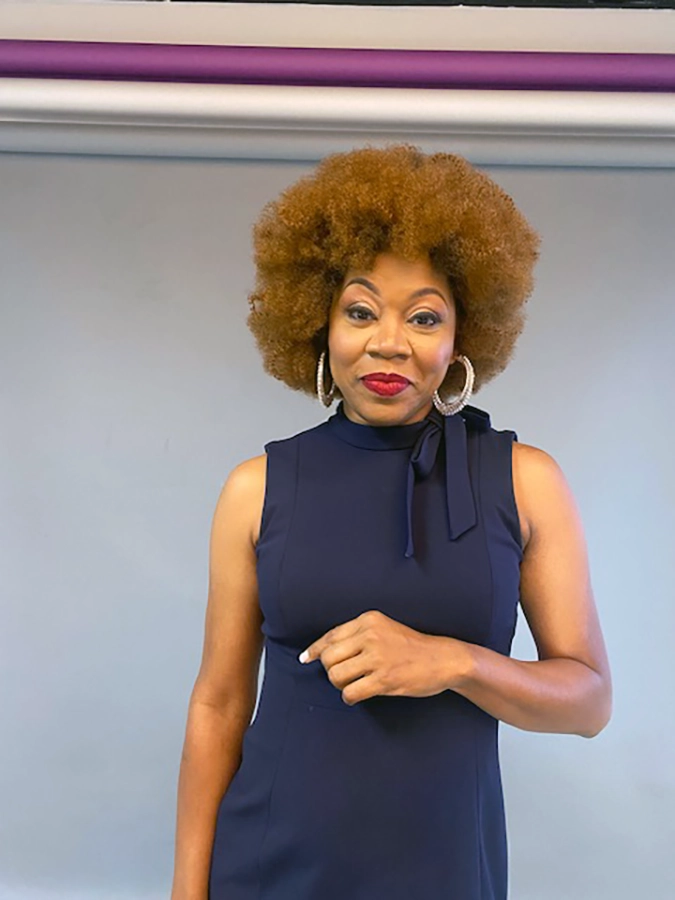
Ultimately, I want this book to remind us education has always been about more than academic achievement. It is about shaping lives, strengthening communities, and expanding what is possible for future generations. If Culturally Relevant Teaching for Learnihttps://titles.cognella.com/culturally-relevant-teaching-and-learning-for-success-9798299705133ng and Success helps educators see teaching not simply as a profession but as a profound act of leadership, humanity, and hope, then I will consider its legacy a success.
About The Author


